На сайте используются cookie файлы
The site uses cookie files
Данный сайт имеет возрастное ограничение!
This site has age restrictions!
Я подтверждаю, что мне, увы, уже давно исполнилось 18 лет
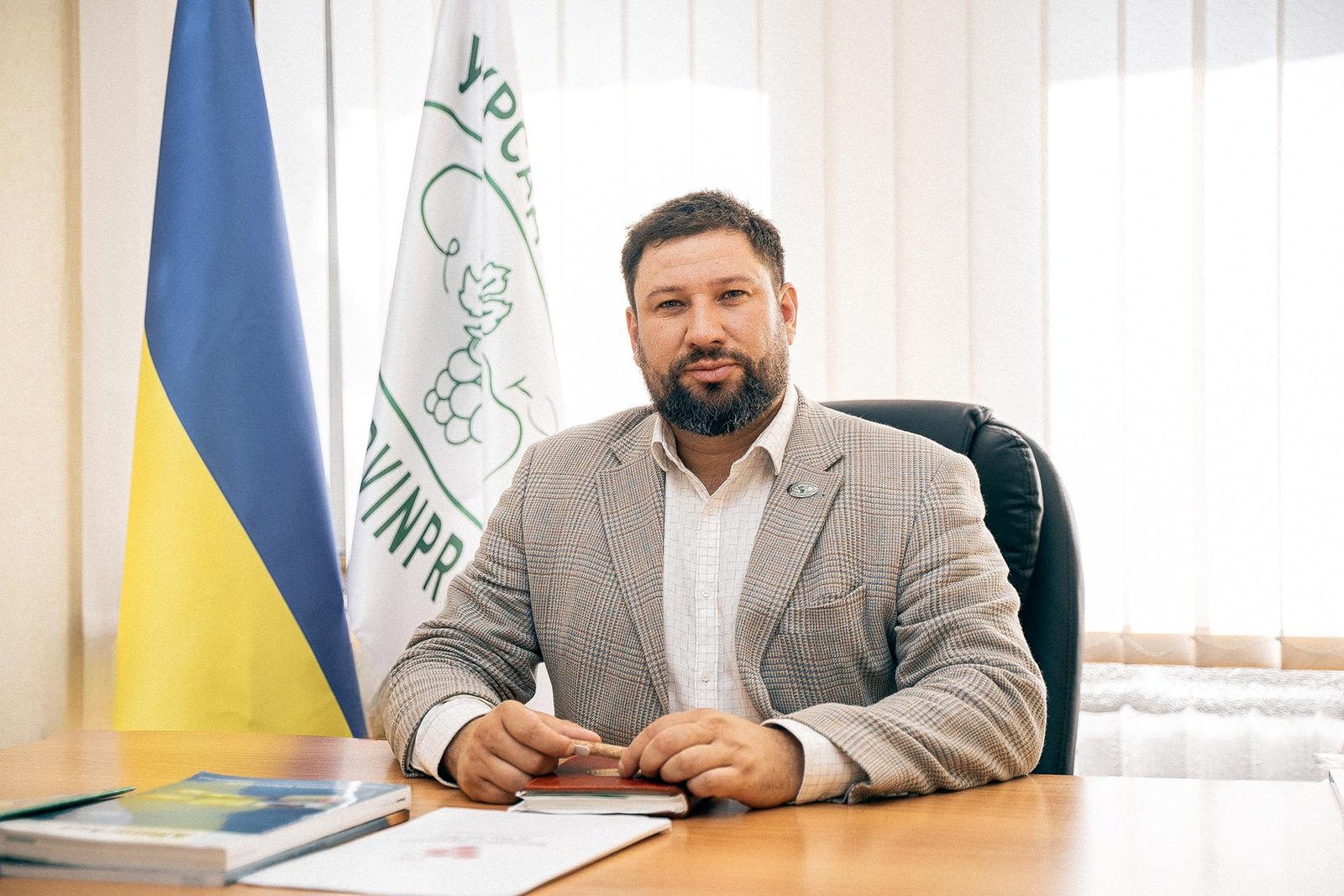
In this special edition of Drinks+, dedicated to the 10th anniversary of the Public Union Ukrsadvinprom, we present an exclusive interview with Volodymyr Pechko, the head of Ukraine’s leading association of winegrowers and winemakers. Our conversation explores the organisation’s key achievements, international initiatives, the development of the Wines of Ukraine brand, support for producers during wartime, and a broader vision for the future of the industry — its challenges and opportunities. It is an important reflection on a decade of transformation and a look ahead at what the next chapter of Ukrainian wine may hold.
Ukrsadvinprom marks its 10th anniversary this year. Which changes and achievements of this decade do you consider the most significant for the industry?
This is the first major milestone for our union, and we want to celebrate it together with our friends and partners. Among the most important achievements, I would highlight several key areas. First, legislative changes and a substantial simplification of conditions for small wineries. The licensing fee was abolished, and producers were allowed to contract accredited laboratories operating in Ukraine. This effectively opened the door to legal production for dozens of new wineries. As a result, the number of small wine enterprises has grown by more than 70% over the past decade. Second, a major victory was the restoration of Ukraine’s membership in the OIV.
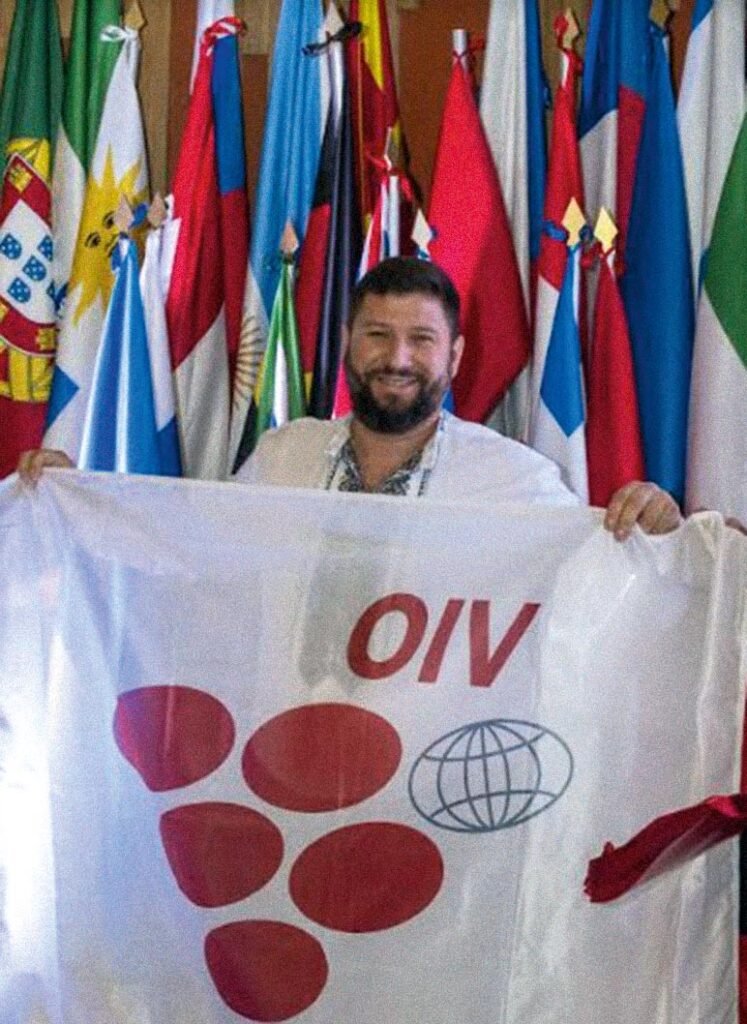
We worked on this for several years together with the Ministry of Agrarian Policy and our partners. Third, the creation and development of the Wines of Ukraine brand, which was identified as a strategic priority at the 2019 Wine Congress.
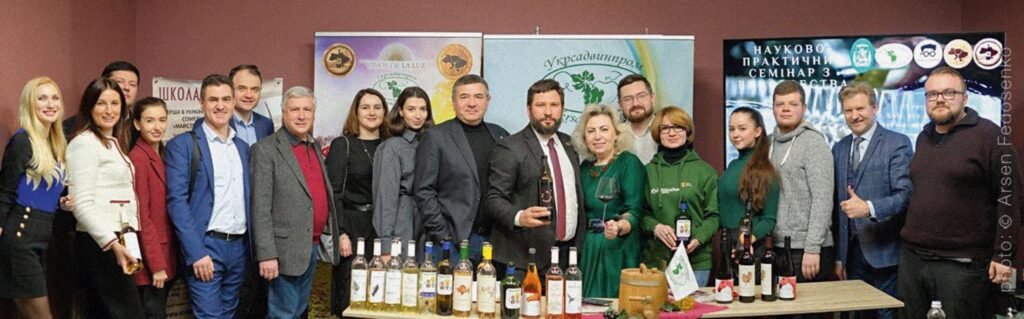
It is also worth mentioning the expansion of the state support programme in 2021, which for the first time introduced compensation for the purchase of winemaking equipment – a historic step for the sector. Equally important are initiatives aimed at popularisation: the celebration of Winegrower and Winemaker Day, Odesa Black Variety Day, and plans to introduce Sukholymanskyi Variety Day.
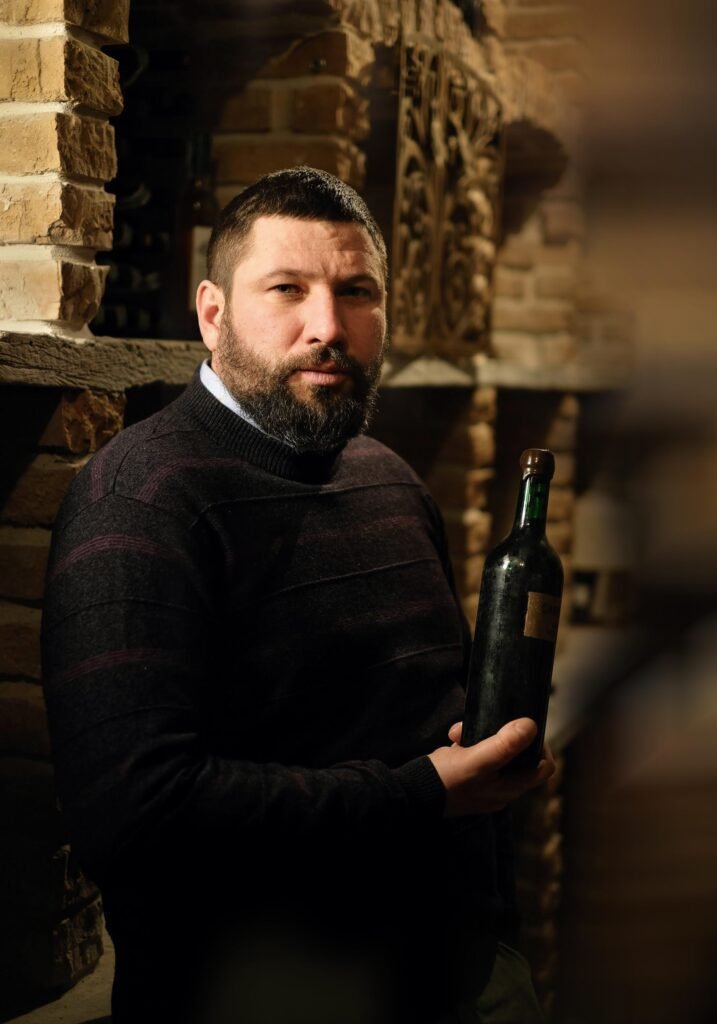
Many industry associations in Ukraine are reluctant to disclose their membership numbers – often because there is little to boast about. In your case, the figures speak for themselves. How many members does Ukrsadvinprom have today, and what share of them are winemakers or beverage producers? How has the structure changed in recent years?
Our membership list is open. Today, the union includes around 300 enterprises, of which approximately 70 represent the winegrowing and winemaking sector. In addition, more than ten industry associations are part of Ukrsadvinprom. In practice, about one-third of our members are winemakers. The union also includes specialised research institutions in horticulture, viticulture, and oenology. Initially, in 2016, the organisation operated under the name Ukrsadprom. Later, as more winemaking enterprises joined, we changed the name to Ukrsadvinprom. The first to join were large producers, followed by dozens of craft wineries that believed in our shared lobbying and professional platform.
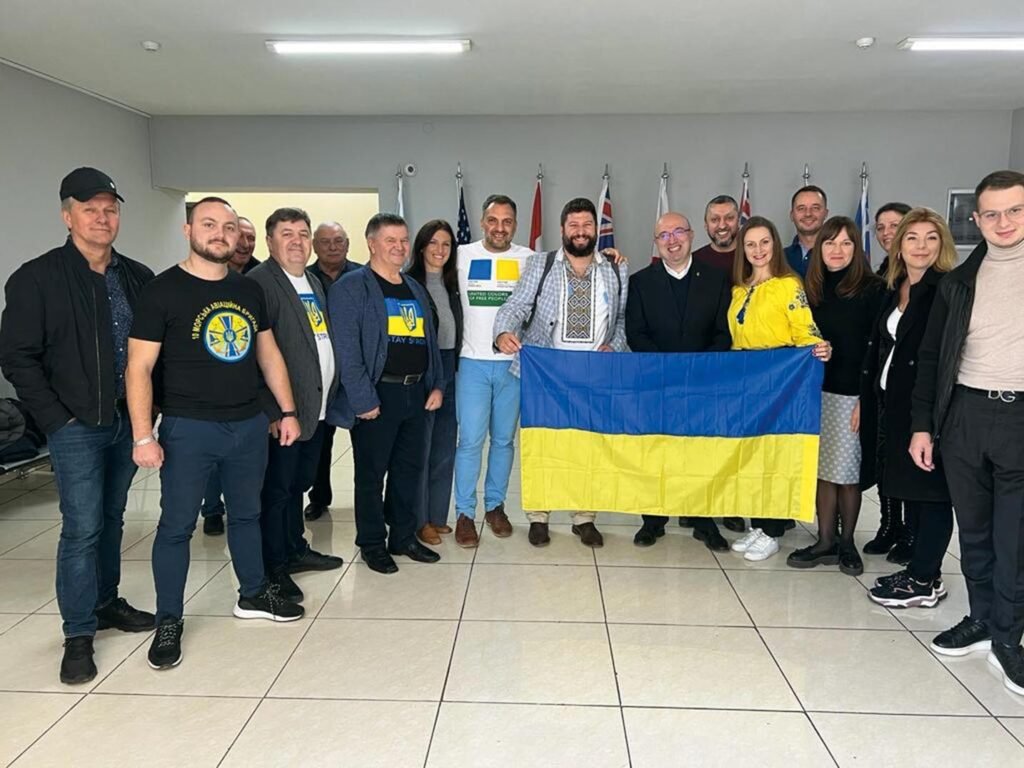
Which major projects of the union do you consider the most successful in promoting Ukrainian wine internationally?
One of the key initiatives was the development – together with the ITC – of a roadmap for the development of Ukraine’s winegrowing and winemaking sector. As part of this work, study visits were organised to Moldova, Georgia, Armenia, Spain, and France, involving representatives of the Ministry of Agrarian Policy, the Ministry of Economy, and the Verkhovna Rada. These visits helped us form a clear vision of the reforms and legislative changes required.
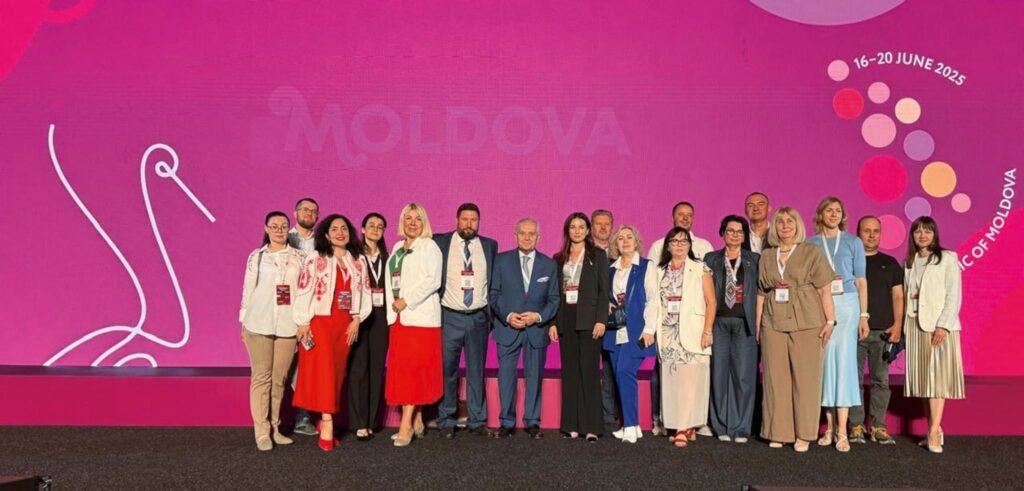
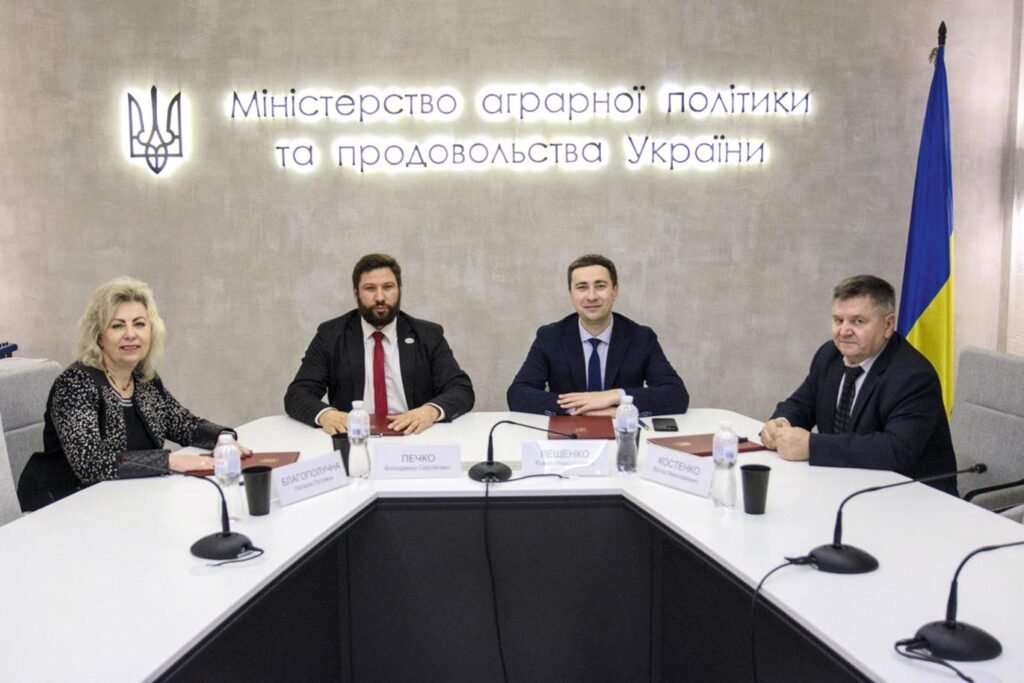
In 2021, we signed a memorandum with the Ministry of Agrarian Policy outlining ten strategic directions for the sector’s development. One of them was the restoration of Ukraine’s membership in the OIV. The OIV is not a financial institution but a platform for shaping international standards, innovation, and scientific exchange. Membership allows Ukraine to integrate into the global winemaking system at the level of standards, resolutions, and technological developments – a space where scientists and producers from around the world share expertise and innovation.
As for the Wines of Ukraine brand, the decision to create it was made in 2019. A group of wine promoters, donors, and representatives of the Ministry of Foreign Affairs developed the visual identity and compiled historical and export-oriented materials. Shortly afterwards, the first collective stand under the Wines of Ukraine banner – led by Svitlana Tsybak – appeared at ProWein, marking a breakthrough moment for Ukrainian wine. Since then, Ukrsadvinprom has organised tastings of Ukrainian wines at OIV General Assemblies in Jerez de la Frontera, Dijon, and Chisinau, promoting Ukrainian varieties and producers.
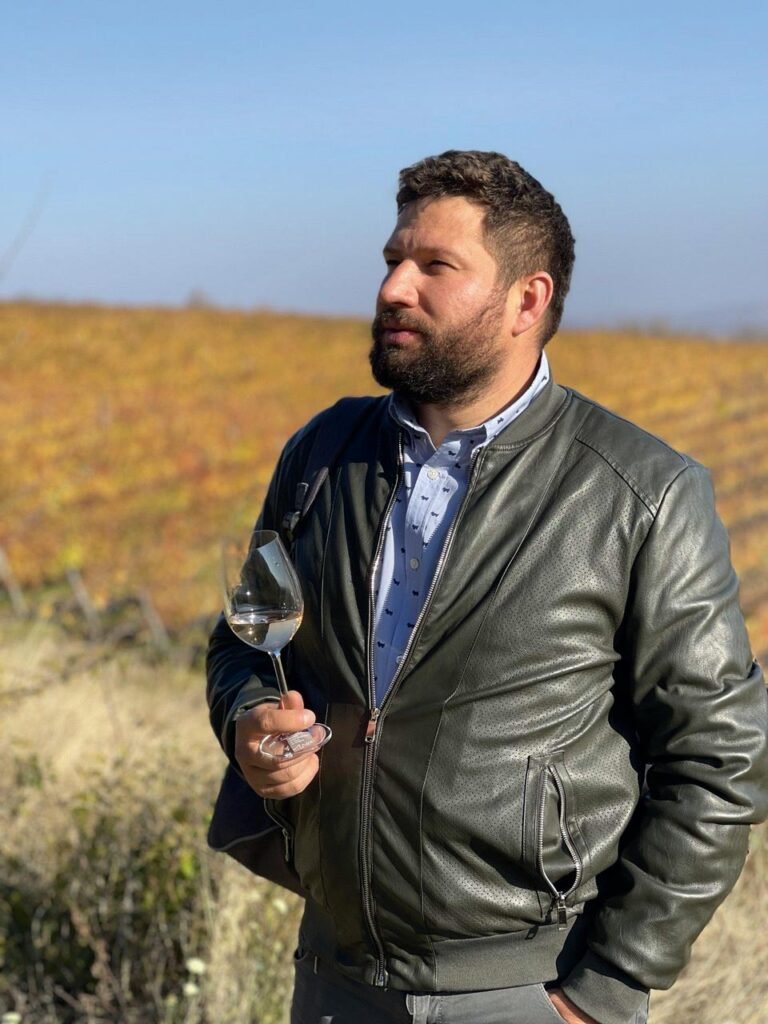
Some of the photographs featured in this issue were taken by Arsen Fedosenko – photographer and winemaker – who joined the Ukrainian Armed Forces in the first days of Russia’s invasion and was tragically killed. The war has taken lives, destroyed livelihoods, and reshaped the industry. What support can the union provide in such circumstances?
Arsen Fedosenko was not only a photographer and winemaker – he was a friend to many in the Ukrainian wine community, and a true patriot. Just two weeks before the full-scale invasion, he gifted me a beautiful photoshoot we did at the WINEIDEA winery near Kyiv. That winery was among the first to suffer damage. And soon after, Arsen was gone…
The war has become the most devastating challenge our industry has ever faced. Dozens of enterprises have been damaged or occupied, including: Artwinery (Bakhmut), Tavria Brandy House, Kamyansky Winery, Prince Trubetskoi Winery, Kurin Farm, and producers across Mykolaiv, Kherson, and Zaporizhzhia. A separate tragedy is the loss of historic wine collections – cultural heritage that cannot be restored. The war has affected not only production volumes. With the occupation of the Black Sea regions, Ukraine lost access to maritime logistics – one of the most cost-effective export routes. This has significantly reduced the competitiveness of Ukrainian products. We can no longer export the volumes we once could – and this affects not only wine but horticulture, grain, and other sectors. Ukrsadvinprom participates in working groups on compensation and informs producers about available state and donor support.
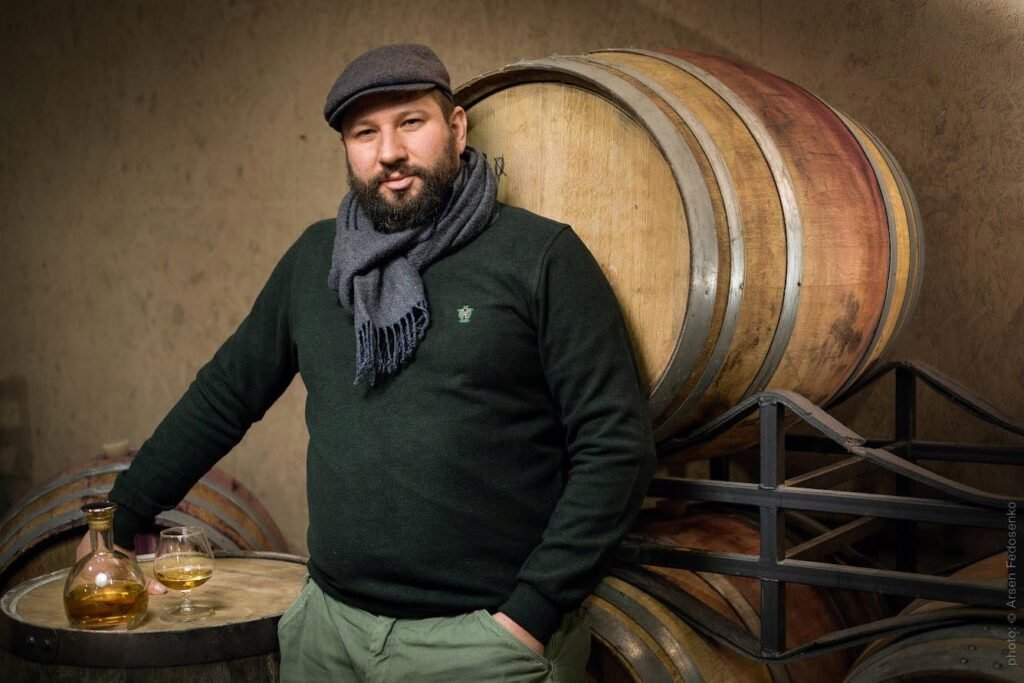
How has the war affected the industry in numbers? Which regions suffered the most?
Beyond the occupied enterprises, dozens of wineries and distilleries have been damaged by shelling. For example, Akkerman Distillery (TMAznauri) – a company that paid more than a billion hryvnias annually in taxes and excise duties. Other affected producers include Nyva and Koblevo. The heaviest losses were recorded in Kherson, Donetsk, Zaporizhzhia, and Kharkiv regions. In numerical terms: since 2014, Ukraine has lost around 60,000 hectares of vineyards in occupied Crimea. Since 2022, further significant areas have been lost due to temporary occupation. If in 2021 Ukraine had around 41,000 hectares of vineyards, today fewer than 20,000 hectares remain. But the true losses cannot be measured by a calculator. This is a rupture in our history, traditions, and generational continuity.
The collections of the Artwinery in Bakhmut, the archives of Tavria, the Prince Trubetskoi Winery, and many others – are gone forever. And the most painful loss is human lives. Some wineries were attacked in the first days of the war; vineyard workers were wounded or killed while pruning; some producers lost their winemakers. How can such losses ever be compensated? Still, we try to support businesses wherever possible. Ukrsadvinprom participates in working groups on state support, compensation mechanisms, and benefits for relocated enterprises. We work to ensure producers receive timely information about the assistance available – both from the state and from international donors.
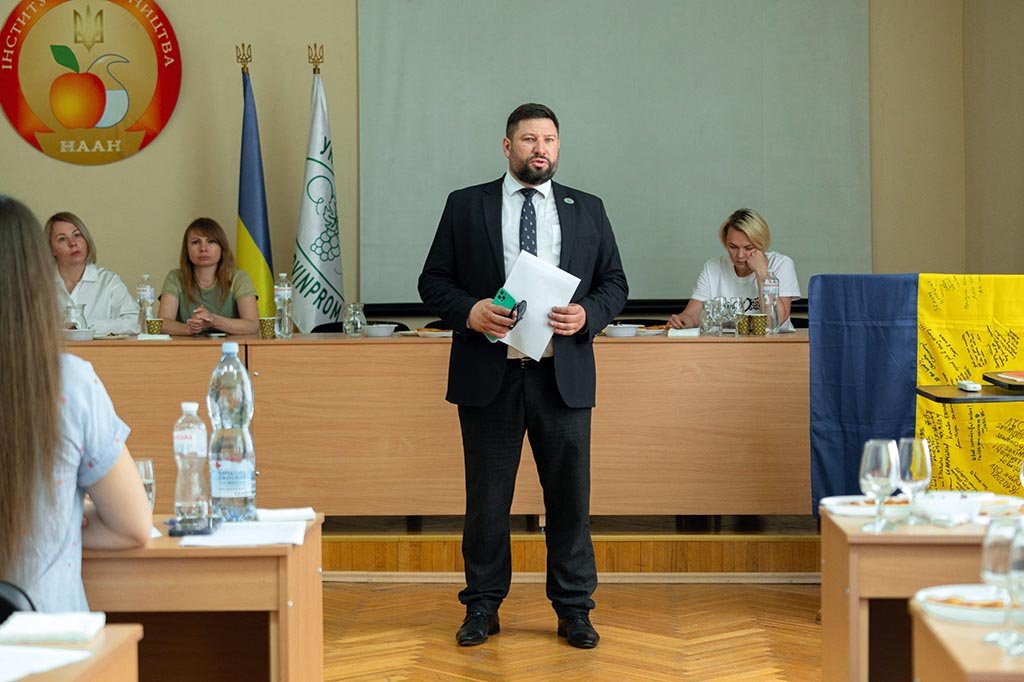
Even so, Ukrainian winemakers have proved to be among the most resilient professionals in the country. How many new wineries have emerged during the war, and what, in your view, motivates people to start winemaking ventures in such difficult times?
Thank you for this question – it allows us to focus on something positive. Indeed, the number of wineries in Ukraine continues to grow. Even in wartime, development has not stopped. People are establishing new enterprises, obtaining licences, expanding the diversity of Ukrainian wine, and presenting it with dignity at domestic festivals and international exhibitions.
Fortunately, this process is irreversible. For many years, Ukraine’s wine sector remained in a state of semi-hibernation, with little development. Small craft wineries did appear, but they operated without licences and remained in the shadows. They were able to emerge from this grey zone thanks to legislative changes – including those we helped to initiate. Today, there are already dozens of such enterprises across the country. In Kyiv region alone, more than ten licensed wineries are now operating. And their number will undoubtedly continue to grow. They will establish family domains, plant new vineyards, and build the foundations of a modern wine culture. The result of this work is the future of Ukrainian wine – a landscape shaped largely by small, strong, and distinctive producers.
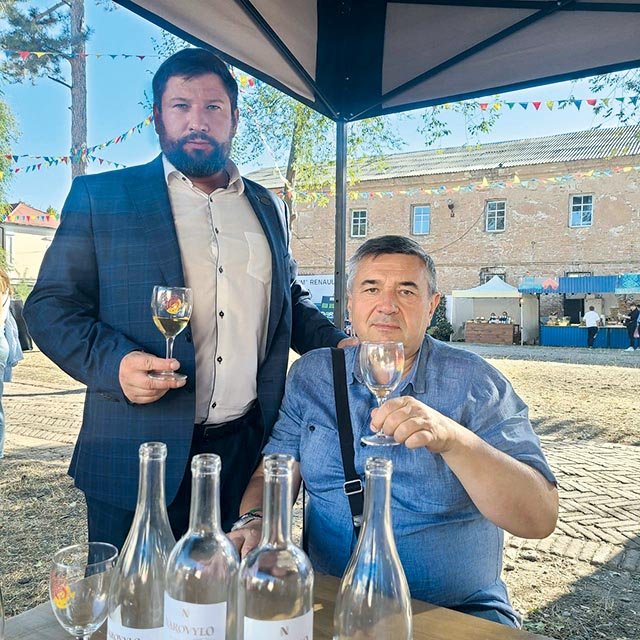
How do you assess the new Law of Ukraine “On Grapes, Wine and Viticultural Products”? Which provisions are most important for the sector, and what still requires refinement?
Overall, the assessment of the Law “On Grapes and Viticultural Products” is positive. It does not contradict our core principles, which were outlined in the Memorandum signed with the Ministry of Agrarian Policy and Food. At the same time, certain provisions remain vulnerable. It is important to recognise that the level of state support for viticulture and winemaking in Ukraine is significantly lower than in EU countries. The playing field is not level. Therefore, if we are implementing European legislation and requiring compliance with European regulations, we must also ensure a corresponding – European – level of support for domestic producers. We insist on introducing the same systemic and sufficient support mechanisms for Ukrainian winegrowers and wineries.
What other key steps, in your opinion, are necessary for Ukraine to secure a worthy place on the world wine map?
First and foremost, stable and adequate state financial support is essential. Equally important is a clear export strategy, along with a defined programme of national and regional wine events. We also believe that legislation should allow the advertising of dry wine and the sale of dry wines without time-of-day restrictions. Dry wine is a food product, and moderate consumption has a positive impact on public health – and reduces the risk of alcoholism. This was scientifically demonstrated in the last century by Vasyl Yehorovych Tairov. Another crucial factor is restoring and strengthening consumer trust in Ukrainian wine. Festivals should take place across all regions – from west to east, from north to south. Even during wartime, we must give people opportunities to rest, to feel optimism and mutual support. This helps society recover and maintain the strength needed to continue building our country’s future.
What joint projects does Ukrsadvinprom plan with scientific institutions in Ukraine or Europe? In particular, could you share details about cooperation with the V. Ye. Tairov Institute? Are there plans for new varieties, research, or technologies?
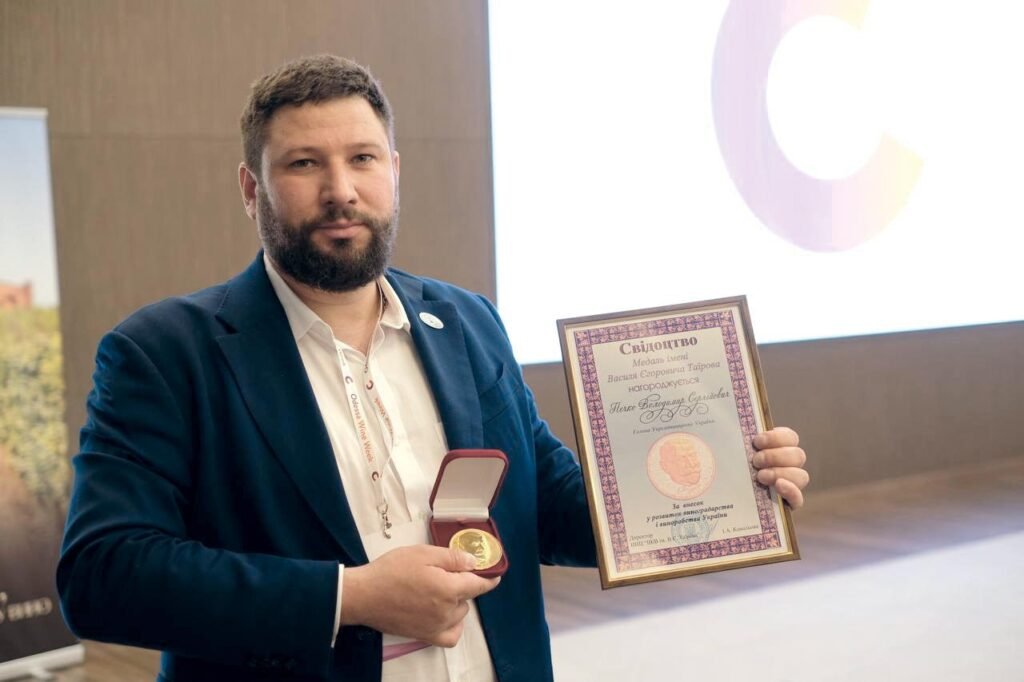
Ukrsadvinprom is a longstanding partner of the V. Ye. Tairov Institute of Viticulture and Winemaking, and we work together systematically. Our collaborations include the promotion of indigenous varieties, the organisation of professional events such as Winegrower and Winemaker Day, Odesa Black Variety Day, and – in the future – a national level Winemaker’s Day.
We also cooperate on raising the professional qualifications of institute staff and integrating them into European and international scientific databases. An important area of work is the reinstatement of varieties previously removed from the state register. Together, we are expanding the range of wines made from Ukrainian grape varieties. The Tairov Institute has been a member of Ukrsadvinprom since 2019, and since then we have jointly implemented numerous initiatives aimed at developing Ukraine’s viticulture and winemaking sector.
Could you elaborate on the joint initiative of Italy, FAO, and the Ministry of Economy of Ukraine to support small winemakers in Odesa region? What is Ukrsadvinprom’s role, and what outcomes do you expect from this programme?
The FAO project “Support for the Viticulture and Winemaking Sector” began in 2021 in western Ukraine — in Zakarpattia, Lviv, Ivano-Frankivsk and several other regions. It later expanded to Ternopil and Volyn, and eventually included the winemaking sector of Odesa region. The support package includes planting new vineyards, developing irrigation systems, and purchasing equipment for wineries. Initial grant assistance ranged from USD 10,000 to 25,000. In some regions, support for berry and orchard producers has already increased to USD 150,000. Ukrsadvinprom works closely with FAO to improve support mechanisms. We are grateful to FAO leadership, both regional and central offices, for their consistent and substantial assistance to Ukraine’s viticulture, winemaking and horticulture sectors.
Last year you obtained your doctoral degree. What was the subject of your dissertation, and how does academic work influence your role in the industry?
Thank you for your interest in my professional path. I began my academic journey in 2014, entering postgraduate studies. In 2017, I earned the degree of Candidate of Economic Sciences, and five years later received the academic title of Associate Professor. In 2021, I entered doctoral studies, and in 2025 defended my doctoral dissertation entitled: “Strategic Management of the Development of Ukraine’s Viticulture and Winemaking Sector in the Context of Globalisation.”
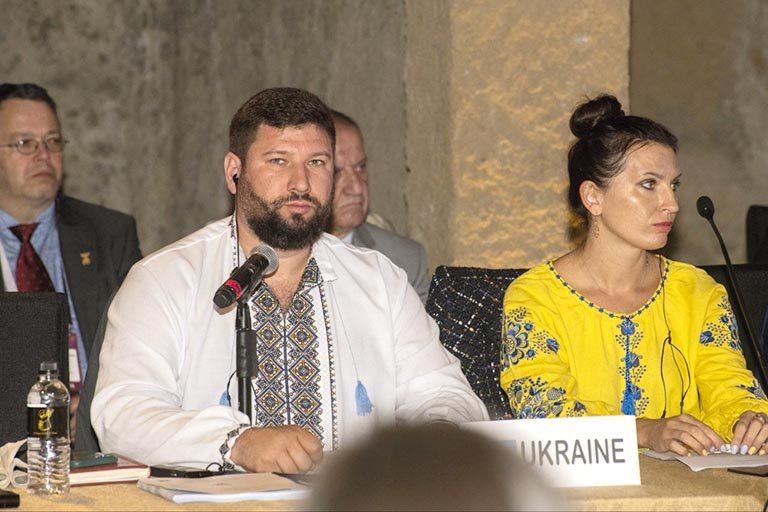
I am convinced that my academic work and research directly contribute to practical progress. The dissertation identified strategic steps for the development of Ukraine’s viticulture and winemaking sector and outlined prospects for its integration into the global market. I firmly believe that implementing these strategic approaches will help build a strong, competitive and modern Ukrainian wine industry.
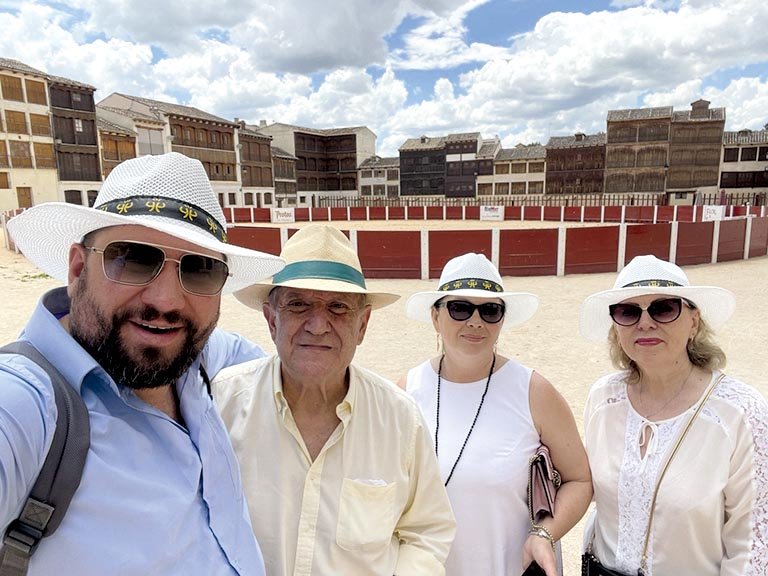
Have you ever considered becoming a winemaker or distillery yourself?
Of course – at a certain stage of my life, winemaking and viticulture began to occupy a special place in my thoughts. I have a genuine admiration for this craft and deep respect for the work of winemakers. It is, in its own way, a romantic yet highly demanding profession.
However, I am convinced that each person should pursue the work that is truly their calling. For me today, that is my role within Ukrsadvinprom, which unites more than 300 enterprises. They require constant communication, support, systematic coordination and representation of their interests. I am certain that I am far more effective in this capacity. I hope our work genuinely benefits the sector – and this is reflected both in state honours awarded to me and to the Ukrsadvinprom team, and in the many letters of appreciation we receive from our member enterprises.
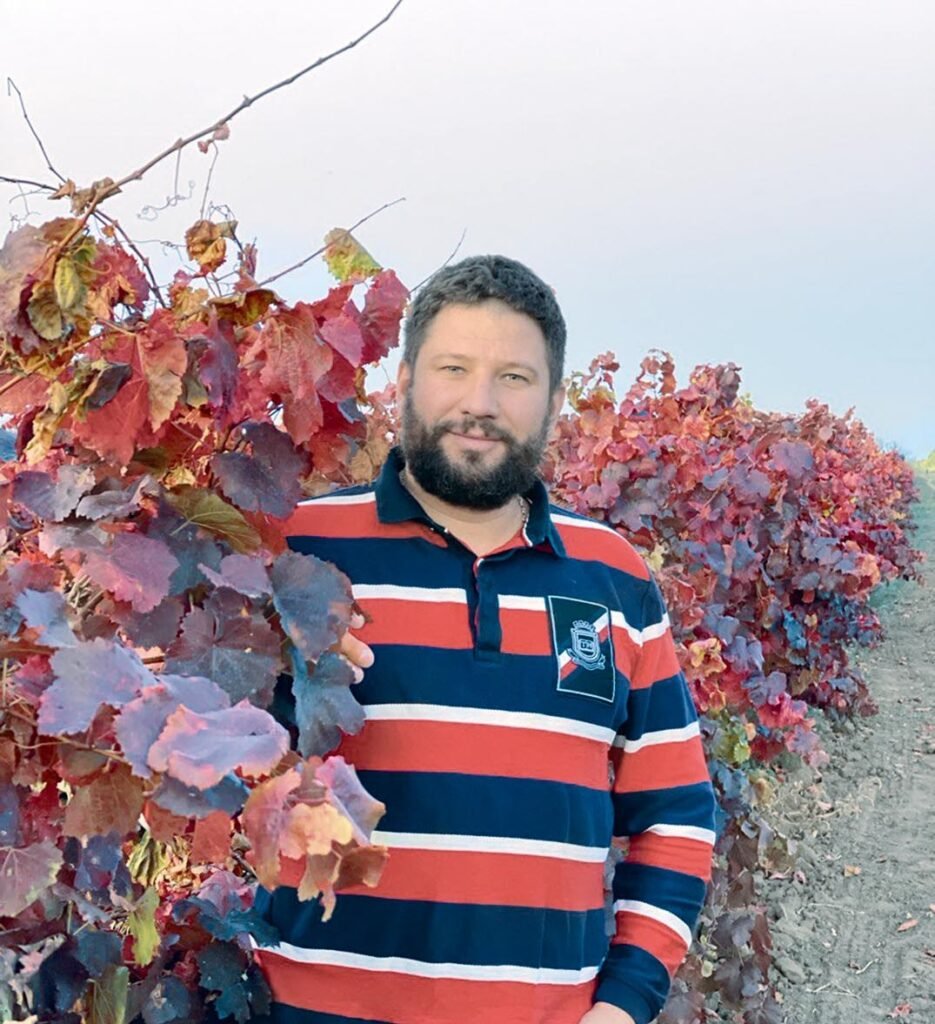
What strategic priorities and objectives does Ukrsadvinprom have for the next 3–5 years?
Our strategic objectives for the next three to five years begin with expanding state support and bringing it as close as possible to European standards – to the best practices of viticulture and winemaking development.
Equally important is restoring and strengthening trust in Ukrainian wine. Active promotion and communication are essential – in both digital and print media – without restrictions on the use of Ukrainian wine names, grape varieties and geographical indications, the number of which will continue to grow. It is vital to revive historical names, preserve traditional recipes and, at the same time, shape a new stage in the evolution of Ukraine’s wine sector.
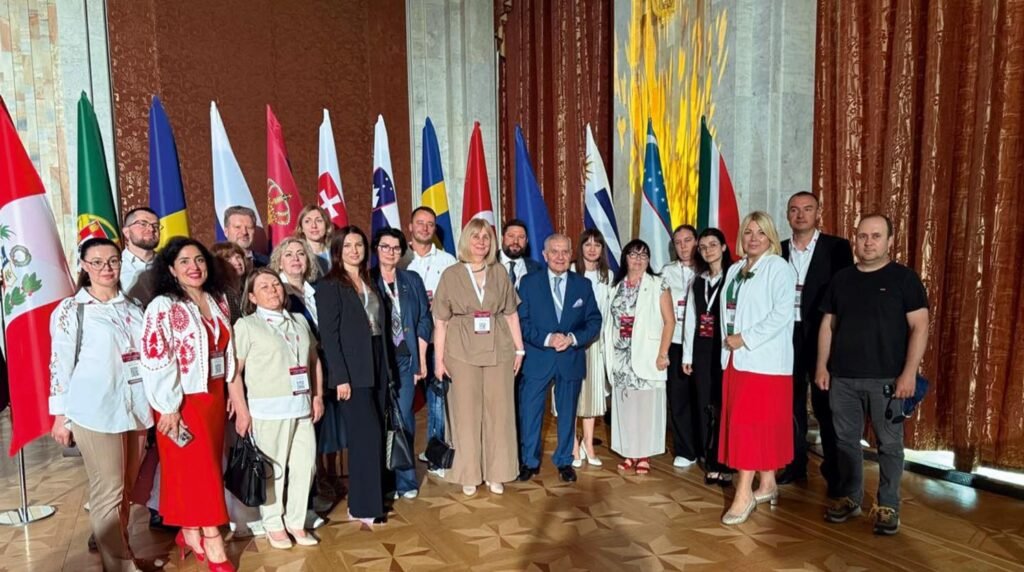
Among our priorities are festivals and large-scale educational work with consumers. We must raise awareness of wine culture, explain how to distinguish authentic wine from low-quality products, and clarify which indicators define wine quality. We also plan to strengthen our presence in international organisations and institutions, where Ukrsadvinprom is already an active participant. Naturally, a key vector remains the expansion of Ukraine’s export potential and the confident positioning of Ukrainian wine on the global market.
⇒ Join our social networks ⇒ Optimistic D+ editors will take this as a compliment.
⇒ Every like is taken as a toast!