На сайте используются cookie файлы
The site uses cookie files
Данный сайт имеет возрастное ограничение!
This site has age restrictions!
Я подтверждаю, что мне, увы, уже давно исполнилось 18 лет

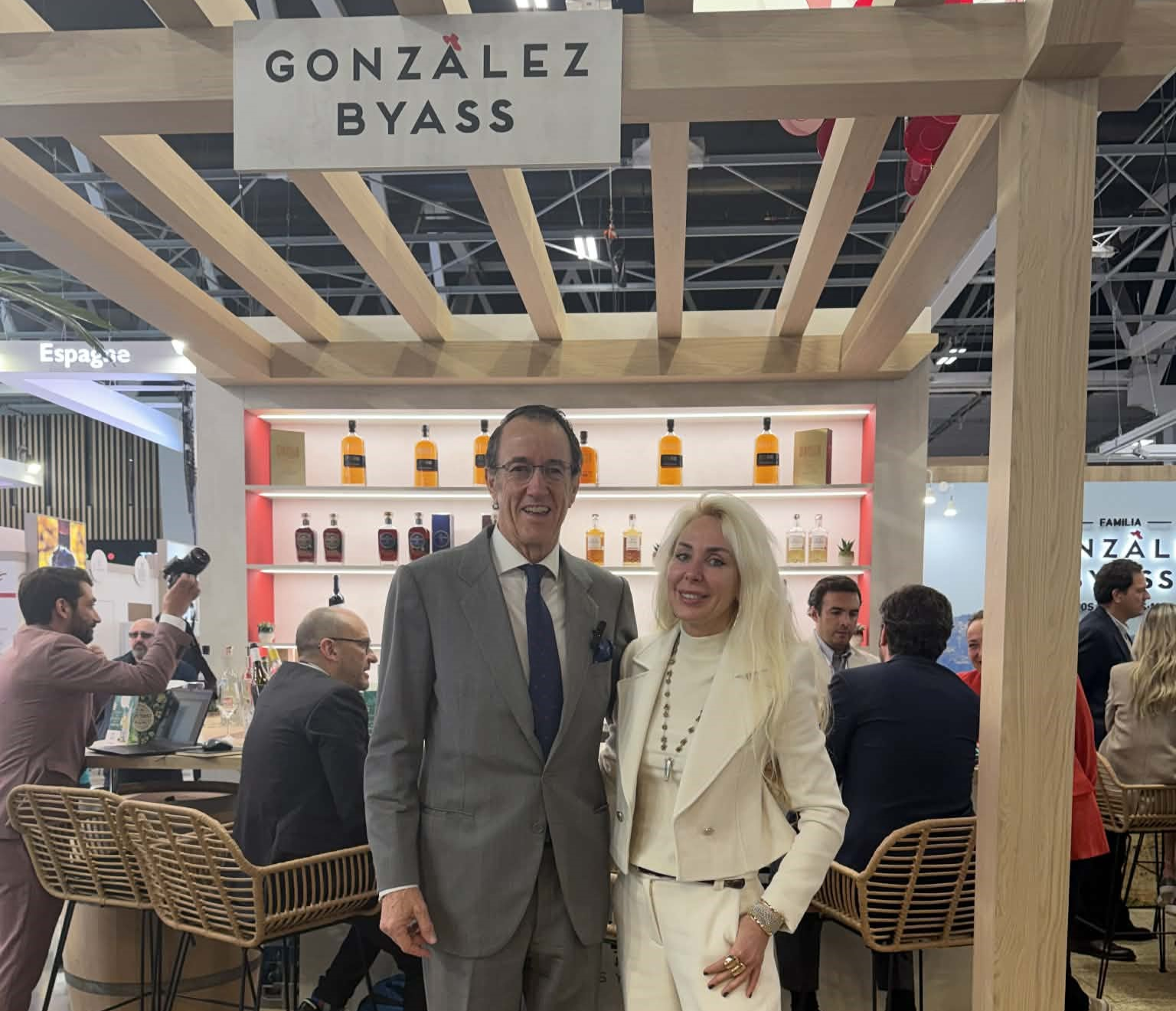
There are very few wine companies that can speak about the 19th century in the present tense. Fewer remain family-owned after nearly 190 years and operate across 105 markets worldwide. González Byass sits in that rare category.
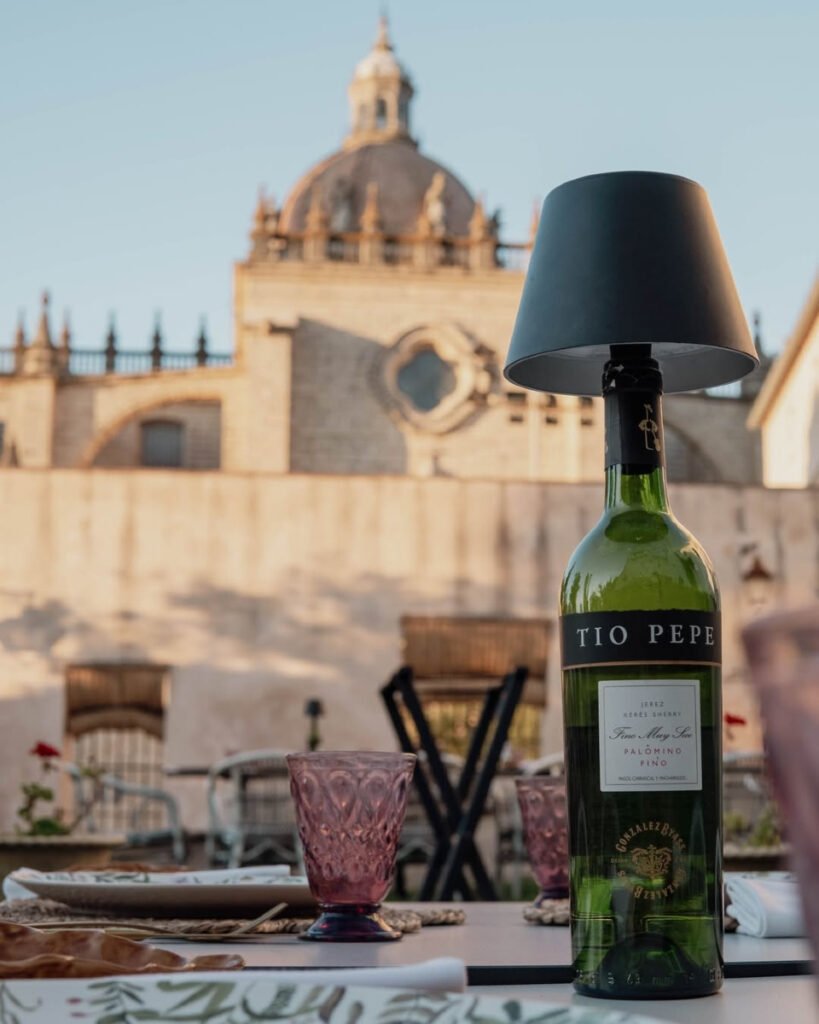
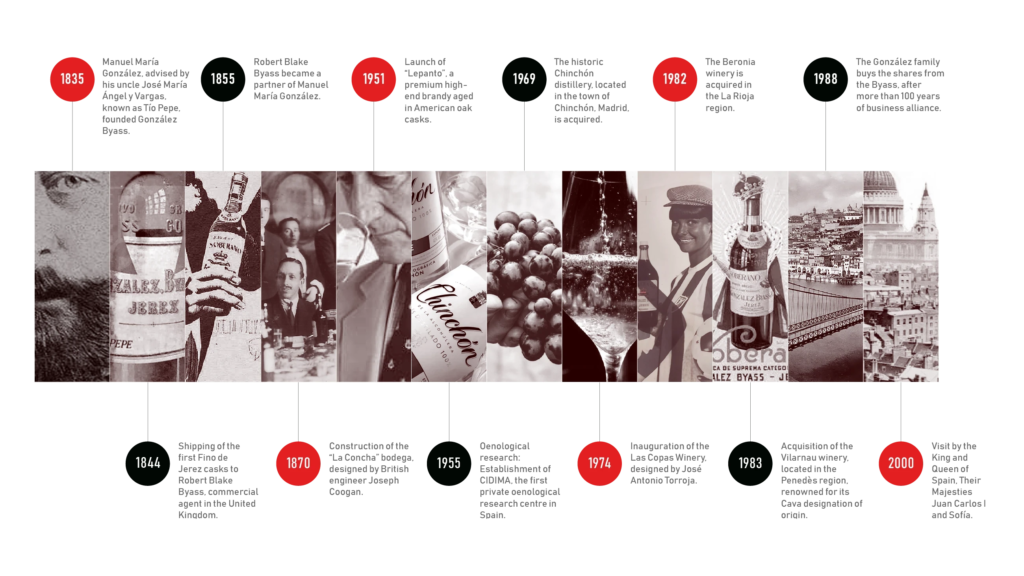
Founded in 1835 in Jerez by Manuel María González Ángel, the house began as a modest Sherry business built around one man’s intuition and his uncle Pepe’s expertise. The name Tío Pepe – today one of the most recognisable Fino brands globally – started as a family reference before becoming an icon.
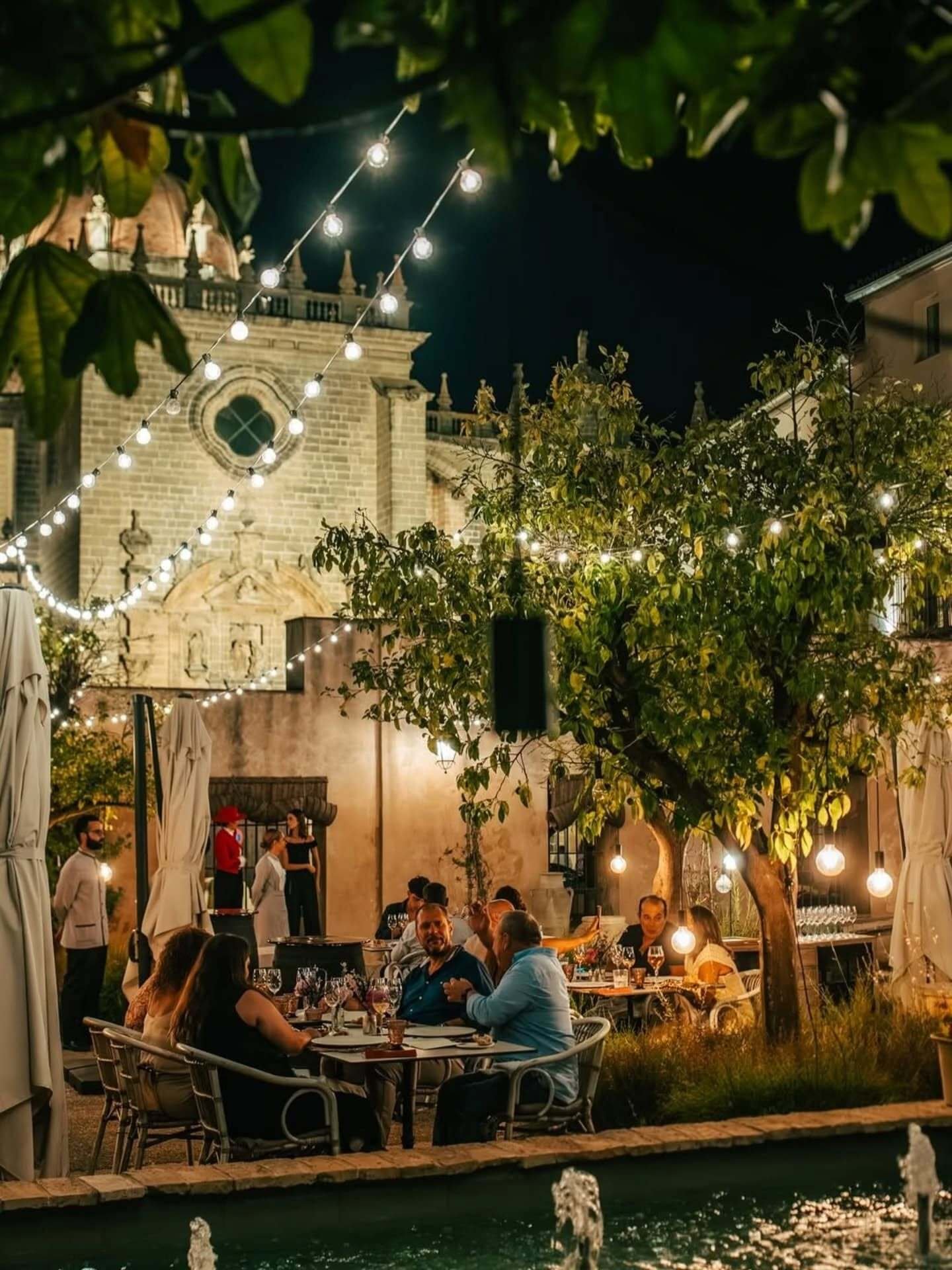
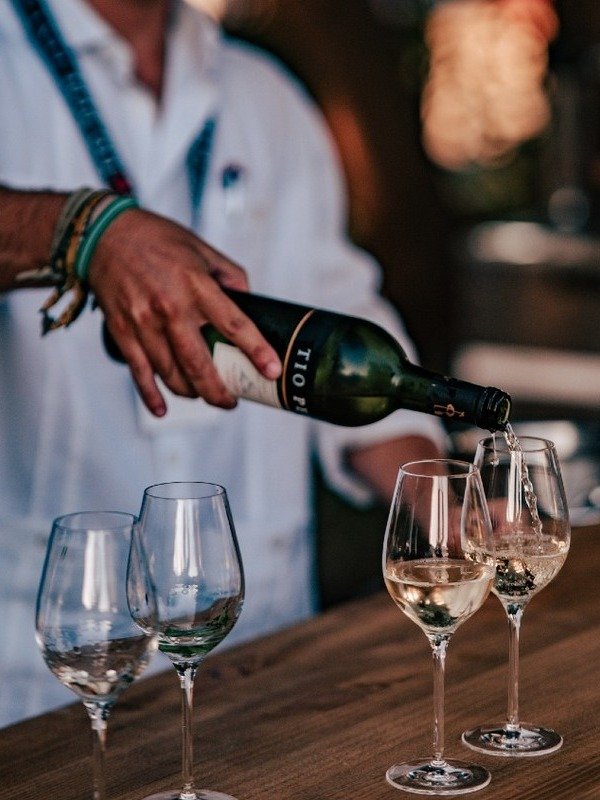
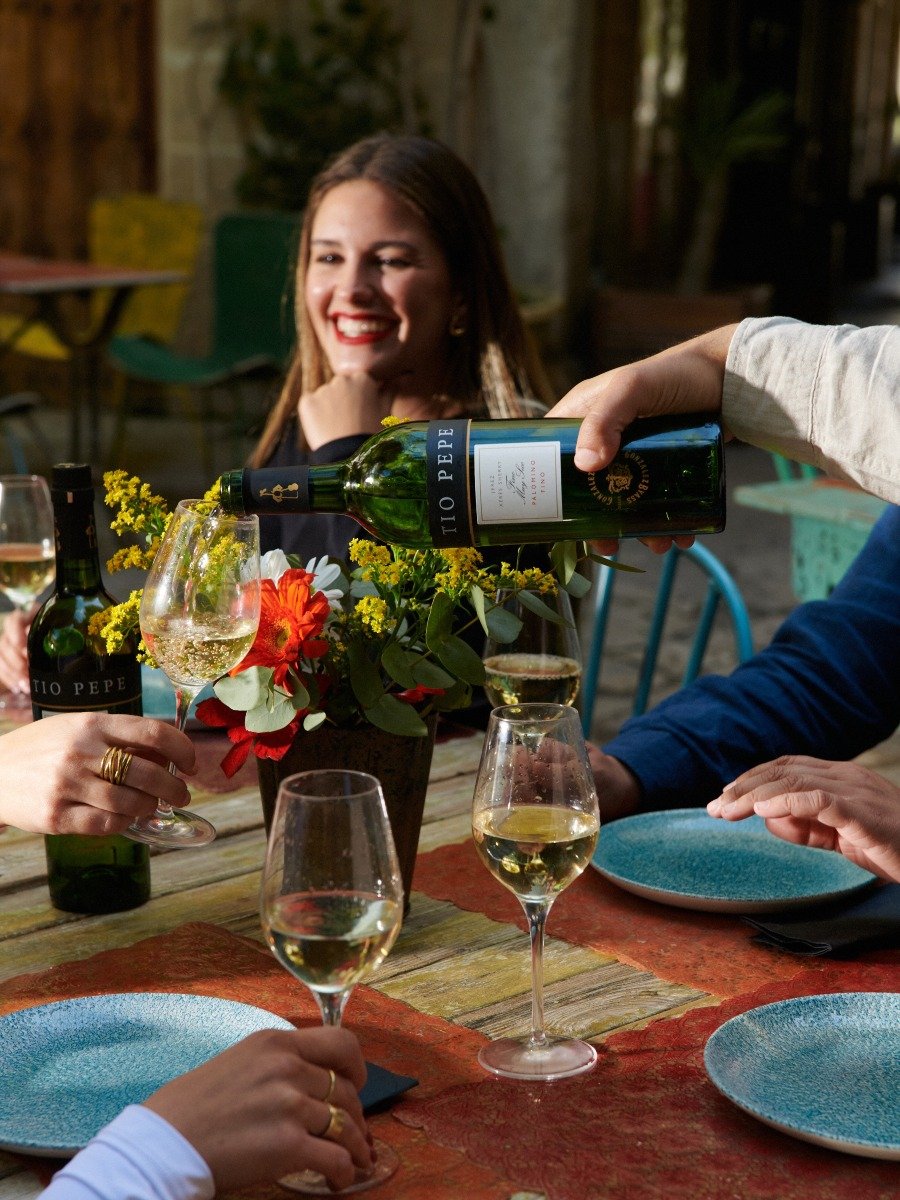
A partnership with British agent Robert Byass opened export channels early, embedding international vision into the company’s DNA from the outset. Sherry was not just the founding product. It remains the only wine continuously produced by the same family since the company’s origin. Today González Byass is a diversified global group, but its centre of gravity remains rooted in Jerez.
The House Today – A Branded Vision
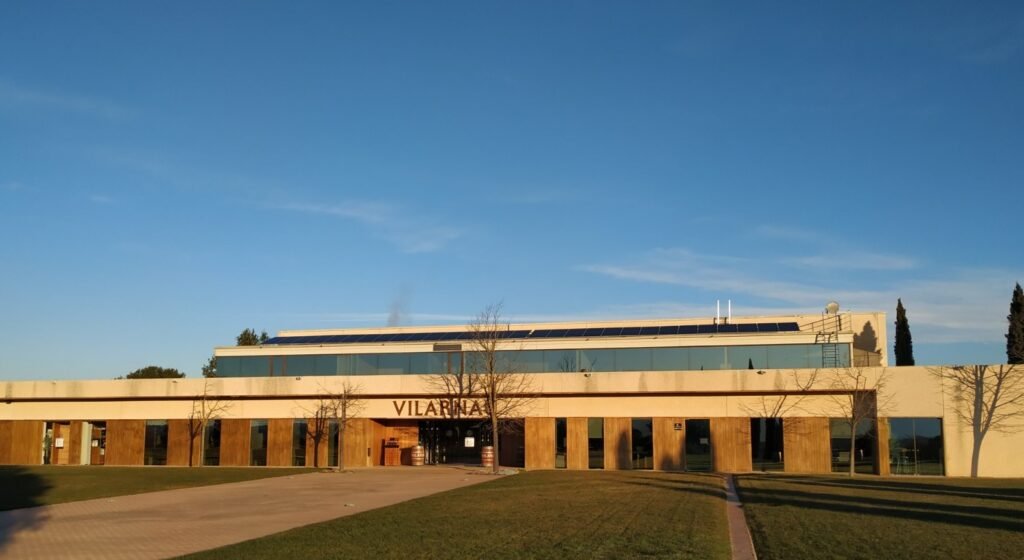
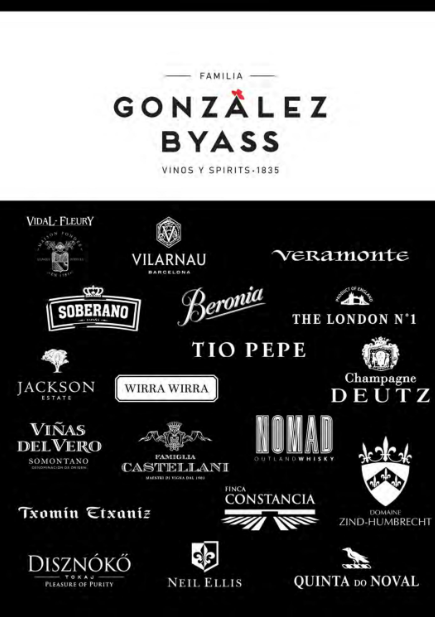
González Byass operates as a “branded house.” Its portfolio includes:
The philosophy repeatedly articulated by President Mauricio González-Gordon is simple: think in generations, not quarters. Internally, this principle is known as “5+5” – the idea that each generation is a temporary guardian, responsible for passing the company on stronger to the next.
To understand González Byass as a company, one must first understand that it did not begin as a corporation. It began as a family conviction.
In 1835, a 23-year-old entrepreneur from Jerez, Manuel María González Ángel, founded what would later become one of Spain’s most internationally recognised wine houses. He was young, ambitious and unusually outward-looking for his time. Sherry was already exported, but Manuel María understood that quality alone was not enough – positioning, relationships and trust mattered just as much.
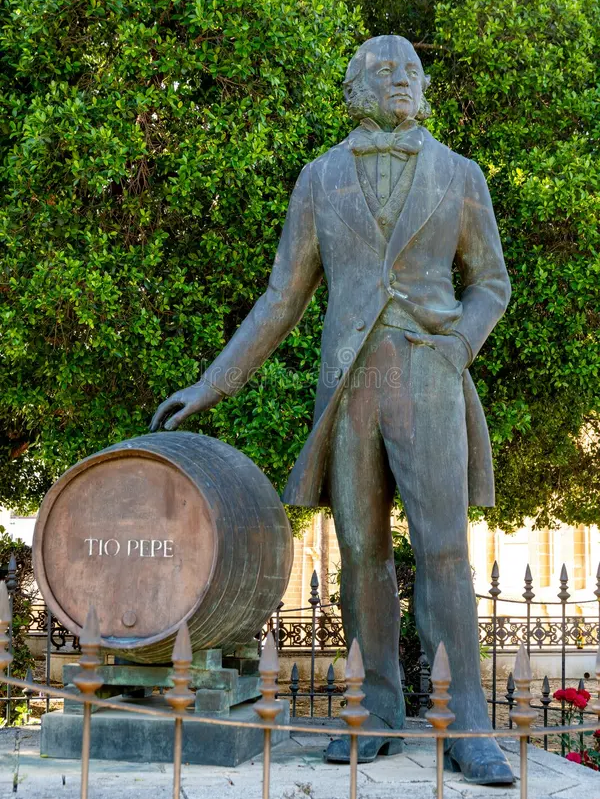
His uncle, known affectionately as “Tío Pepe,” played a decisive role in shaping the early wine style. The brand that now dominates rooftops and airport duty-free shelves began as a tribute to a family mentor.
The international dimension entered early. In 1844, Manuel María partnered with Robert Blake Byass, his agent in the United Kingdom. This Anglo-Spanish connection not only gave the company its double surname, González Byass, but also embedded an export orientation into its DNA from the very beginning. The UK was not an afterthought. It was foundational.
Throughout the 19th century, the family expanded soleras, invested in cellar architecture, and positioned Sherry as a serious wine category rather than a fortified curiosity. The company survived phylloxera, civil war, dictatorship, global recession and the restructuring of the wine industry in the late 20th century. What is remarkable is not just survival, but continuity. The house has remained under family leadership for nearly 190 years. Today, that responsibility sits with Mauricio González-Gordon, representing the fifth generation of the family.

Mauricio González-Gordon does not present himself as a corporate executive detached from production. He grew up inside the ecosystem of Jerez – among soleras, harvest cycles and conversations about export markets. Educated in economics and business, he formally joined the family company after gaining experience outside the winery structure. This external exposure matters. Unlike some dynastic successions built purely on inheritance, his leadership has combined financial discipline with inherited cultural responsibility.
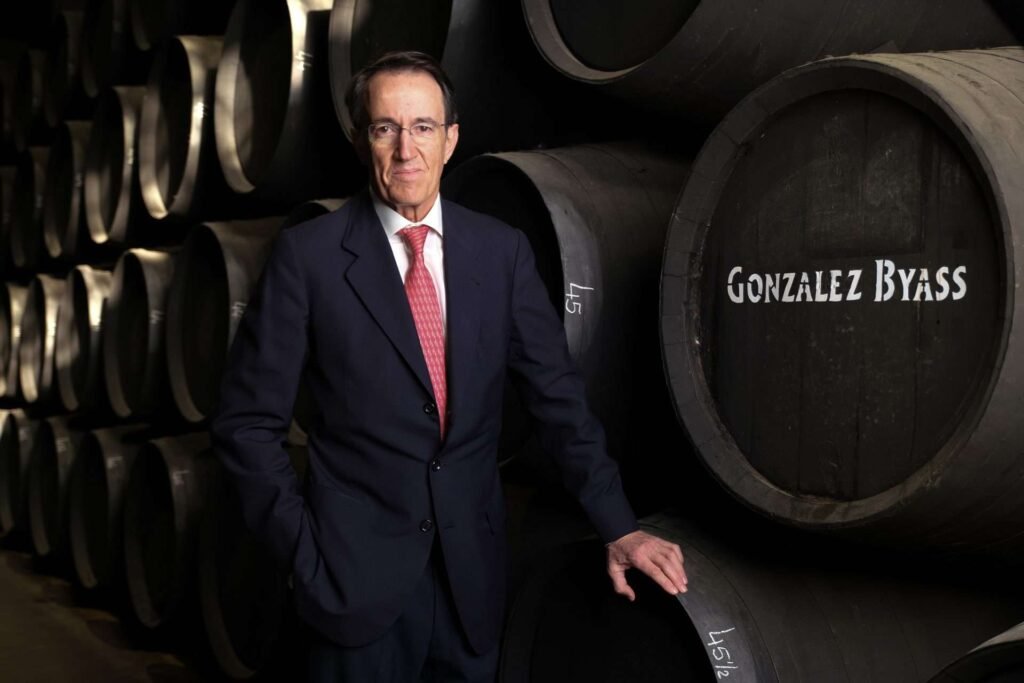
He became President of González Byass in 2015, at a moment when the wine industry was already beginning to shift dramatically:
Under his presidency, the group accelerated several structural transformations:
Colleagues often describe him as measured rather than charismatic in the traditional sense. His style is not theatrical. It is controlled, analytical, and long-range-oriented. He frequently repeats the phrase that González Byass “thinks in generations, not quarters.” That phrase is not rhetorical. It reflects the governance structure. The company operates with a clear understanding that family leadership is custodianship, not ownership in the short-term sense. What distinguishes Mauricio’s generation is perhaps the explicit integration of sustainability into corporate strategy. Earlier generations built the brand. His generation is tasked with protecting the conditions that allow the brand to continue existing – climate resilience, water management, renewable energy integration, and vineyard preservation.
He is equally comfortable discussing:
There is no visible tension between these subjects in his discourse. That fluidity reflects something important: he does not frame innovation as rebellion against tradition, but as its extension. For a company whose flagship wine predates electricity, that mindset is not incidental. It is structural.
When I met Mauricio González-Gordon, what struck me first was not corporate rhetoric, but coherence. The answers connected history to strategy, sustainability to economics, and identity to market responsiveness without contradiction.
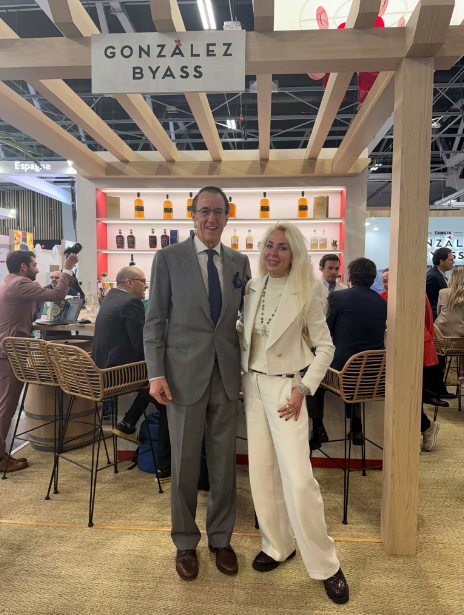
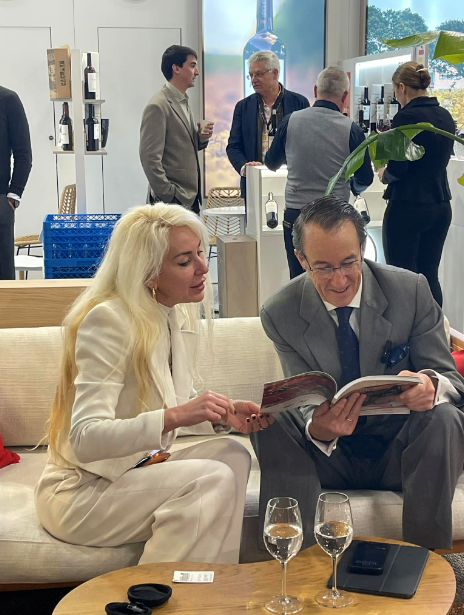
The following conversation unfolds across the pillars that currently define González Byass: generational governance, digital transformation, Sherry’s renaissance, low and no alcohol strategy, sustainability metrics, vineyard preservation and global distribution. Each theme reveals how a 190-year-old house positions itself not as a relic of the past, but as an evolving institution. The wine industry today operates under intense short‑term pressures: rising production costs, climate volatility, declining per‑capita consumption in mature markets, and an ever‑present demand for innovation. In such an environment, the phrase “long‑term vision” can all too easily slip into empty rhetoric. At González Byass, however, “thinking in generations” is more than a slogan. It is an internal operating principle – often described as the 5+5 philosophy – a reminder that leadership is an act of stewardship rather than ownership.
I asked Mauricio what this philosophy looks like in practice.
Kateryna Yushchenko: You often say that the company thinks in generations rather than in quarters. In such a volatile and unpredictable global environment, is this long-term philosophy an advantage -or can it become a limitation?
Mauricio González-Gordon: “When you build brands like Tío Pepe or Beronia, you cannot think in quarterly results. Brand equity is generational. It requires consistency and patience. If you change direction every year, consumers lose confidence. And confidence is the foundation of a brand.”
He pauses, then adds something important: “But at the same time, we must remain highly reactive. The market changes fast. Consumers change fast. New trends appear quickly -whether it is low alcohol, sustainability expectations, or new ways of consuming wine. The balance is not contradictory. It is complementary.”
He explains that this dual approach has existed since the company’s early years. While the house protected its core soleras and flagship brands, it was also one of the first in Spain to establish a private enological research centre in the 1960s -a move that was far from conservative at the time.
“We have always combined continuity with research. When we identify a market movement, we study it thoroughly. We ask our technical teams to analyse it, to test it, and to propose solutions. That is how we adapt without losing identity.”
The emphasis is clear: generational thinking does not mean slowness. It means filtering decisions through durability.

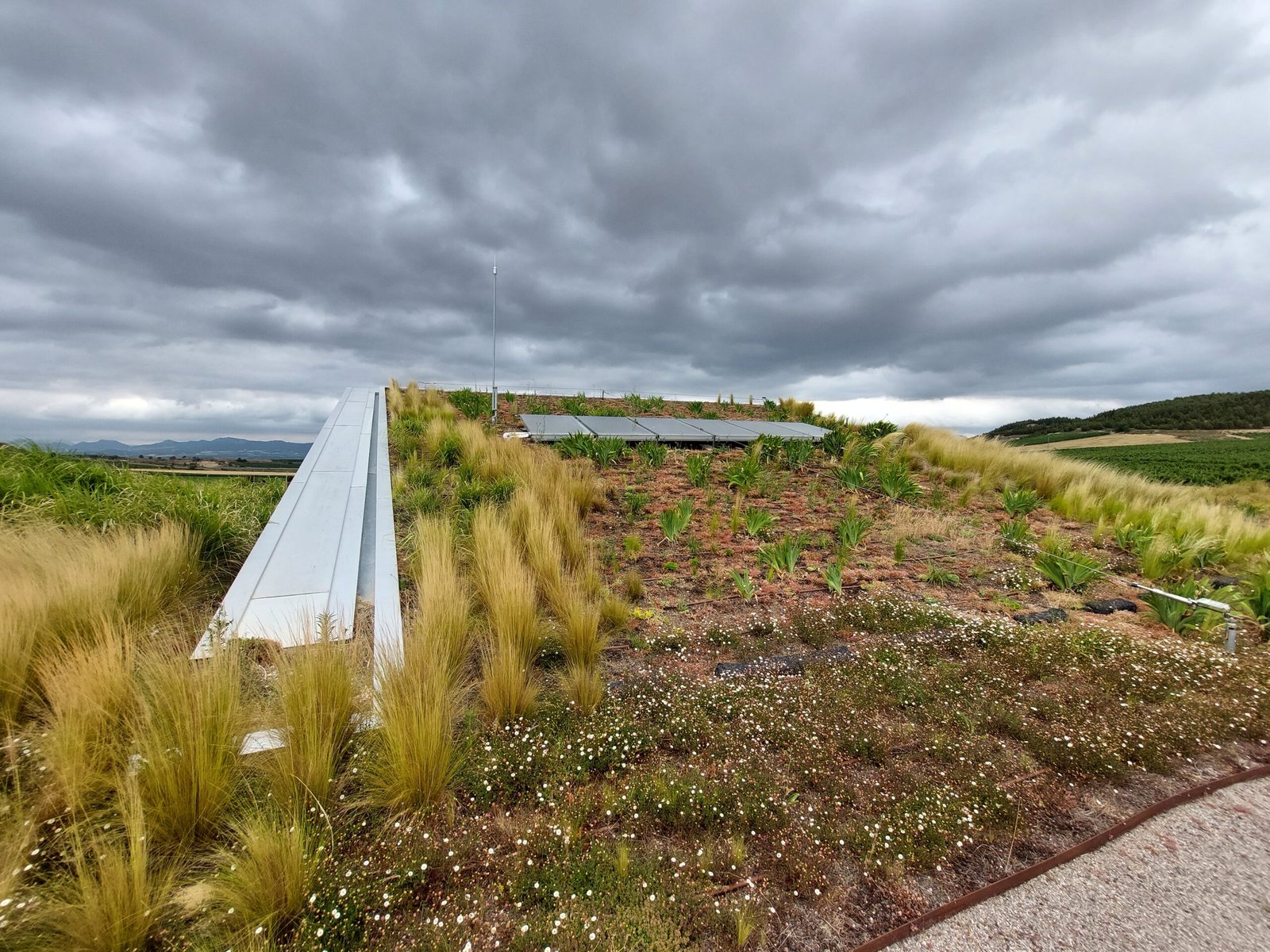
Sustainability in wine is no longer a moral add-on. It is operational pressure. Southern Spain is warming faster than the global average. Water access is tightening. Energy costs are volatile. Retailers increasingly demand reporting transparency. Investors expect measurable ESG performance. Under the People + Planet programme, González Byass has formalised sustainability into a structured, annually audited system. This is not positioned as communication, but as infrastructure.
The results are concrete:
These are not symbolic gestures. They require capital expenditure, internal coordination and cultural change.

I asked Mauricio where the real difficulty lies.
K.Y.: People + Planet shows impressive numbers – renewable energy integration, emissions reduction, waste recovery. What has been the most challenging part of turning sustainability from philosophy into daily practice?
M.G.: “There is a cost. Sustainability requires investment. Renewable energy systems, emission tracking, water management technology – none of this is free. And it cannot be implemented overnight.”
He speaks calmly, almost pragmatically.
“But we are convinced about the challenge of global warming. Many of our wine regions are directly affected. We see it in vineyard cycles, in water stress, in harvest dates. If you think in generational terms, you cannot ignore it. The alternative would be short-term savings and long-term damage.”
For him, the discipline of annual reporting is as important as the initiatives themselves.
“It is not enough to say we are sustainable. We measure every year. We certify. We compare performance. That creates internal accountability.”
The language is not emotional. It is structural.


If renewable energy is a technical transition, glass weight is cultural. For decades, heavy bottles were equated with prestige. The logic was simple: weight suggested substance. Particularly in certain Asian and premium markets, glass mass was perceived as part of luxury. Today, that logic is reversing.
Lifecycle assessments increasingly show that heavier bottles dramatically increase transport emissions. As climate awareness grows, weight becomes more visible. González Byass reports that 85% of its bottles now weigh under 485 grams. Achieving that shift was not simply a packaging adjustment. It required changing internal perception.
K.Y.: Moving away from heavy bottles must have been challenging, especially given the premium positioning. Was the resistance external – or internal?
M.G.: “For decades, weight signified quality. Especially in certain markets. Convincing our commercial teams that lighter bottles represent responsibility – not lower quality – has been a process.”
He does not blame consumers. He points inward.
“But consumer perception is shifting. Heavy glass increasingly signals a higher carbon impact. If we want to remain credible in sustainability, packaging must reflect that. The story cannot contradict the product.”
The transition required technical redesign – lighter glass that still looks premium – but also education within sales teams and distribution partners.
“It was as much about mindset as engineering.”
In that sentence lies the real cost of sustainability: not just infrastructure, but belief alignment.
Southern Spain is not discussing climate change in abstract terms. It is living it. Over the past five years, Andalusia has faced recurring drought cycles, record summer temperatures and increasingly erratic rainfall patterns. Harvest dates are shifting. Water reservoirs fluctuate unpredictably. In regions historically defined by dry farming, irrigation strategy is no longer theoretical – it is existential.
For wine producers operating on generational timelines, the question is no longer “if” adaptation is needed, but how quickly it can be integrated without altering the identity of the vineyard.
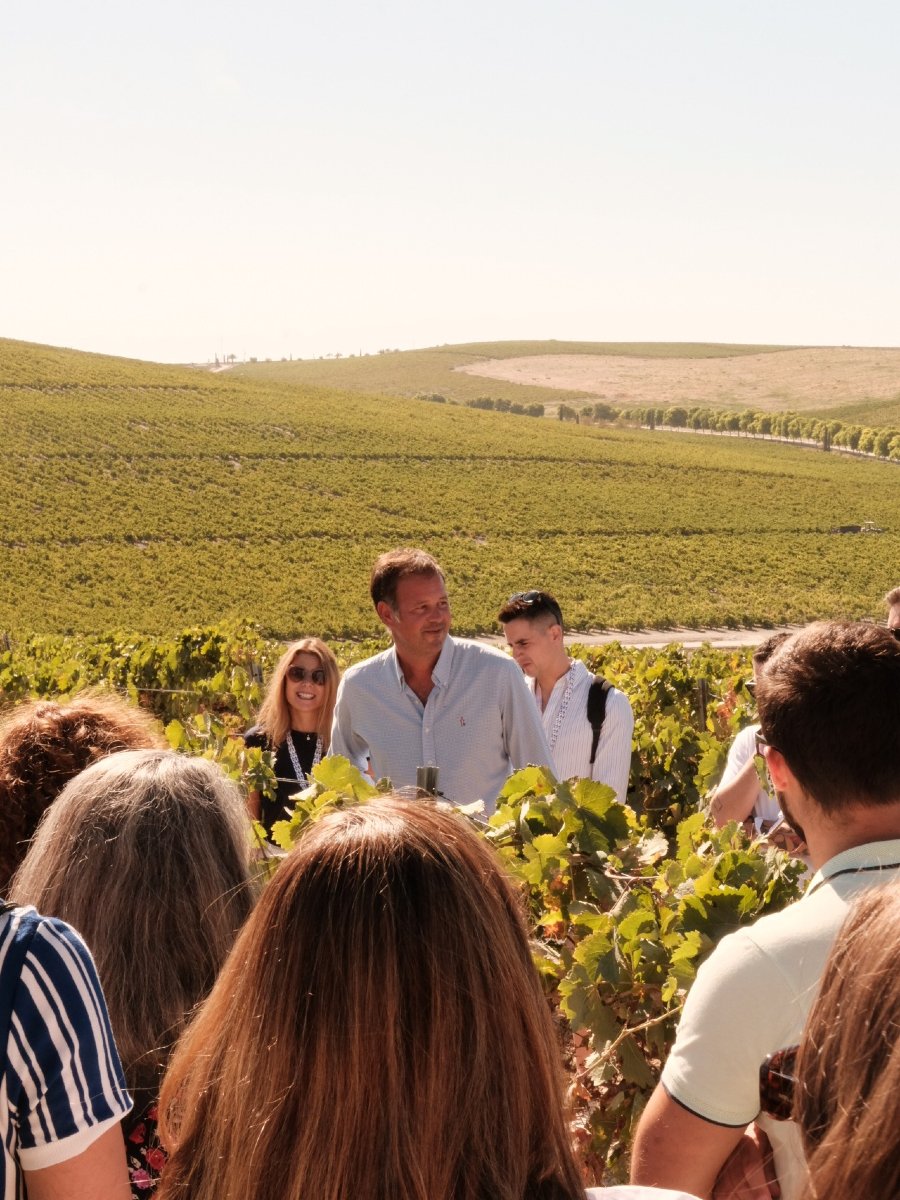
At González Byass, water management has become a central technical priority. The company has introduced advanced soil sensors, irrigation optimisation systems and precision monitoring across key estates. The goal is not simply to reduce water use, but to understand exactly when and how the vine truly needs intervention.
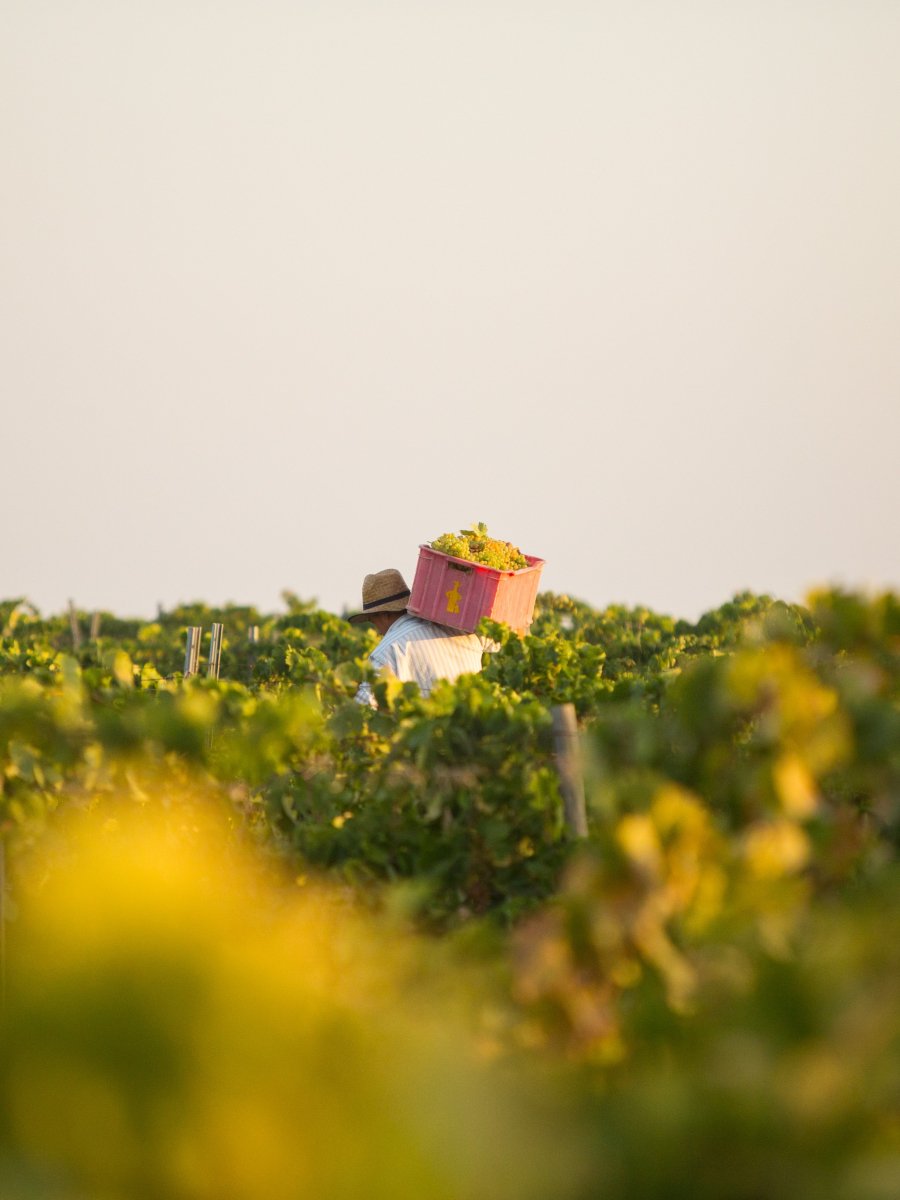
I asked Mauricio how decisive this shift has become.
K.Y.: Spain has experienced severe drought cycles over the past few years. How critical has water technology become to long-term vineyard security?
M.G.: “It is fundamental.”
He does not hesitate.
“We use soil sensors to understand the exact needs of the plant. Not approximations, not assumptions. The data allows us to irrigate precisely when necessary and to avoid overuse. Water efficiency is not optional in Southern Spain anymore.”
He stresses that this is not an isolated sustainability initiative.
“Adaptation is not a project. It is daily vineyard management. Every season is different. Every parcel behaves differently. Technology helps us respond without losing control.”
The underlying implication is clear: climate adaptation is no longer a future investment category. It is operational survival.
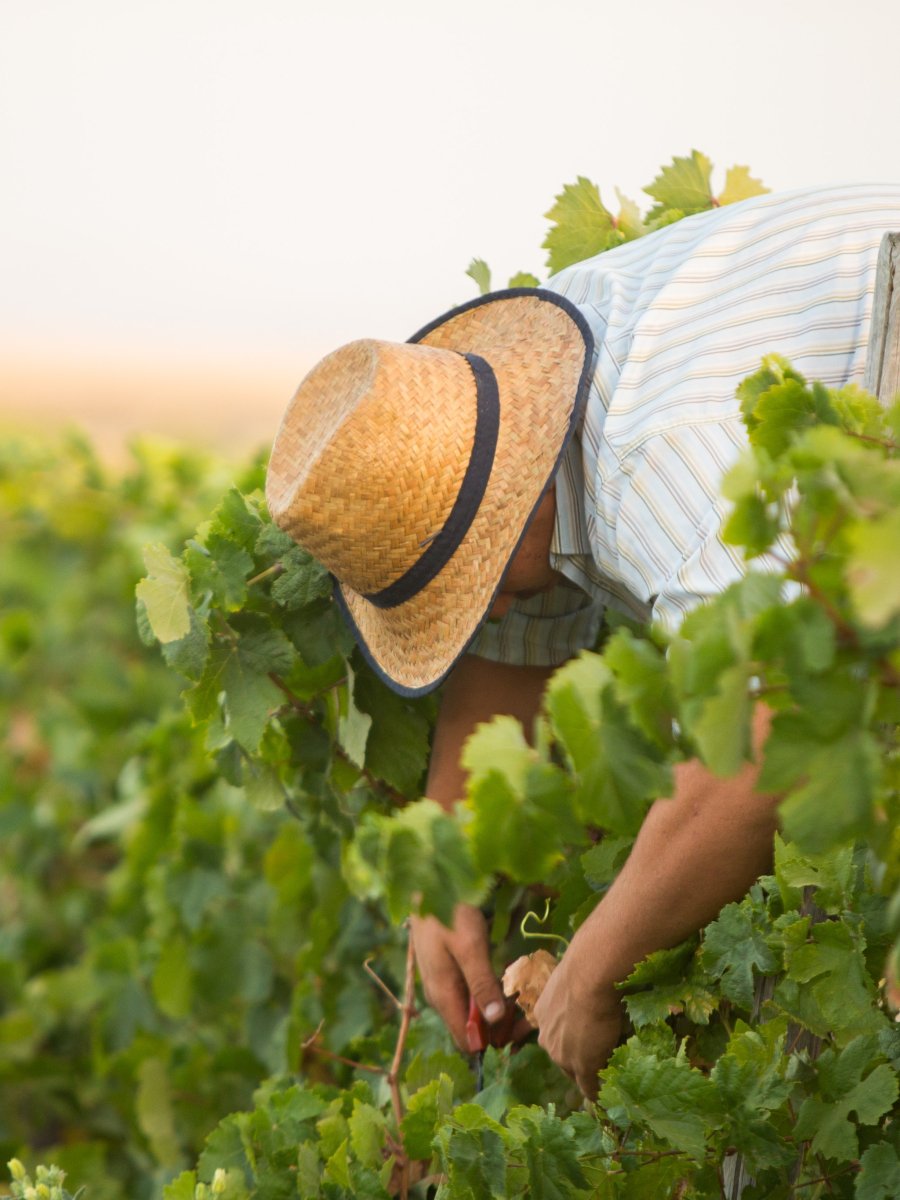
Across Spain, hundreds of small, old vineyards are quietly vanishing. Not because the vines are weak. Not because the grapes lack quality. But because the economics no longer work. Many historic plots – some over 80 or 100 years old – produce very low yields. Their cultivation is labour-intensive. Younger generations often leave rural areas. Without financial viability, old vineyards are abandoned, uprooted, or replaced with higher-yield plantings. For a company that speaks about generational thinking, the disappearance of old vineyards is not a romantic loss. It is a structural one.
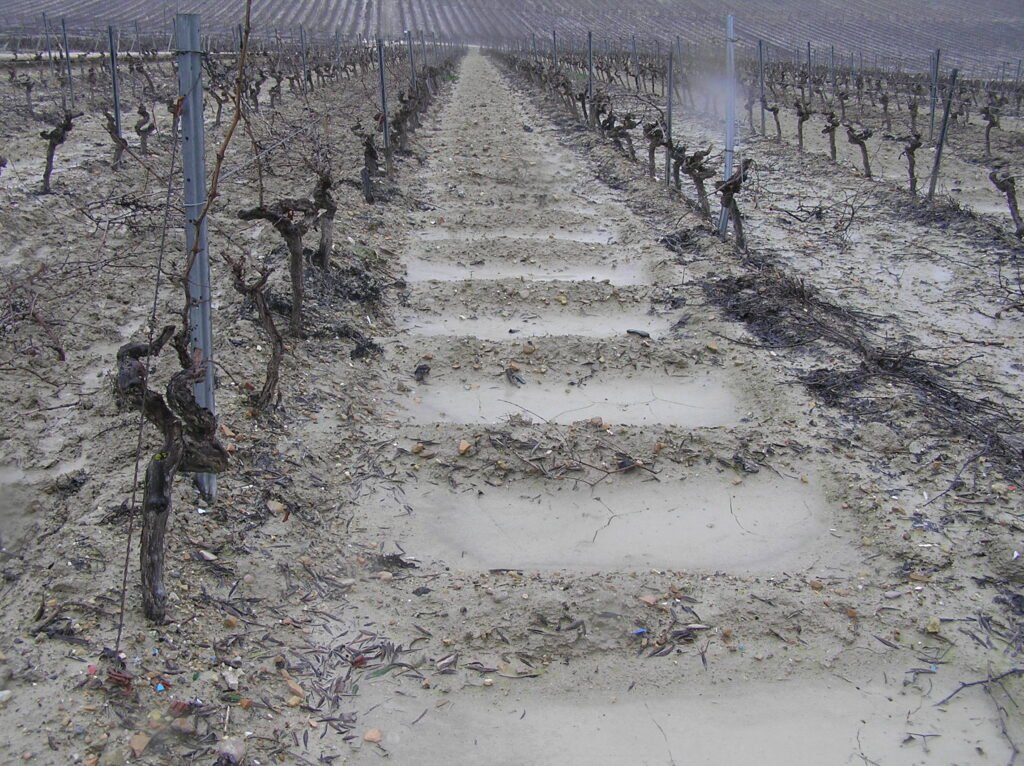
In 2021, González Byass launched Ángel de Viñas, an initiative to recover and support endangered vineyards across Spain. The project works directly with growers, providing technical and financial support over a multi-year period to help restore viability. But the question remains – is this preservation, philanthropy, or future business strategy?
I asked Mauricio directly.
K.Y.: The Ángel de Viñas project focuses on restoring historic vineyards at risk of disappearing. Is this primarily cultural preservation -or do you also see long-term commercial potential in these old plots?
M.G.: “It’s a very good question. Our initial aim was protection. There are varieties and vineyards that are almost lost. In some cases, there are only a few hectares left. And the owners cannot invest enough to maintain them because production is small.”
He explains that the company typically supports a vineyard for around three years – helping to restore cultivation, improve management and bring it back into production.
“But vineyards can only survive if they are economically viable. Otherwise, they disappear. We don’t rule out the possibility that, in certain cases, we may buy grapes and produce a wine. That may come. But preservation is the first objective.”
He shifts the argument to consumer behaviour: “Today, consumers are increasingly interested in local culture. Not just international varieties that you can find everywhere. They want a story. They want identity. Recovering old varieties helps tell that story.”
He references an earlier example outside the formal Ángel de Viñas framework – the revival of Tintilla de Rota in Jerez, once nearly extinct, now bottled successfully as Moncloa.
“It shows that heritage and market can work together.”
Ángel de Viñas therefore operates on two levels. On one level, it is biodiversity protection – preserving genetic diversity and historic viticulture. On another, it is rural stabilisation – supporting growers who might otherwise abandon their land. And potentially, in the long term, it becomes narrative capital – rare wines rooted in authenticity rather than constructed exclusivity.
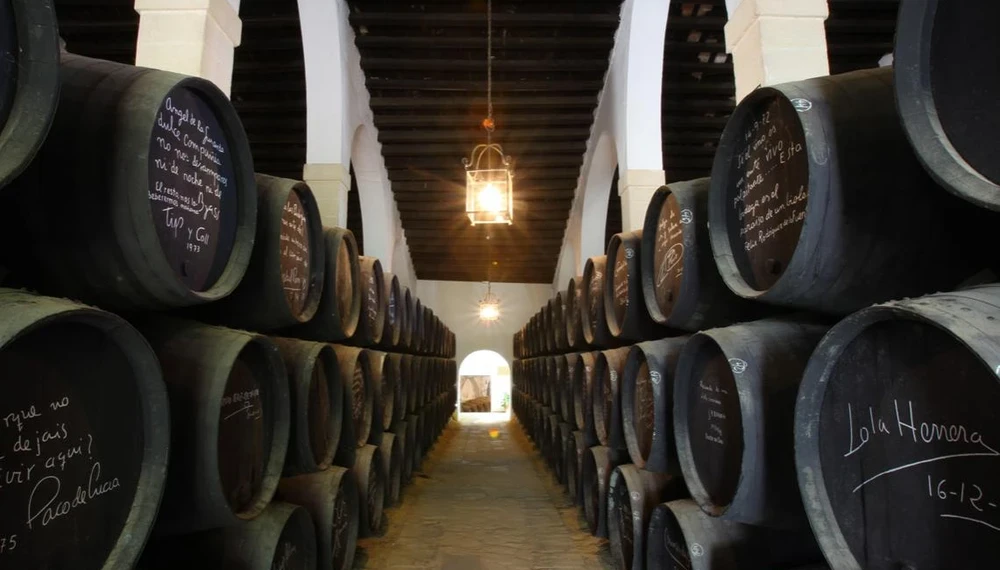
The wine industry has traditionally been cautious about technology. Craft, intuition, terroir – these are not words that naturally align with artificial intelligence or data infrastructure. Yet the operational complexity of modern wine groups has changed dramatically. Energy monitoring, supply chain transparency, predictive demand analysis, sustainability reporting, and compliance tracking – all of these require structured data systems. González Byass has invested heavily in digital transformation and received international recognition through the SAP Innovation Awards for integrating technology into resource management and sustainability processes. The key question is not whether they use technology – it is where they draw the line.
K.Y.: González Byass has been recognised for digital transformation and the use of data systems, including artificial intelligence in process management. In a house built on craftsmanship and terroir, how do you introduce AI without losing authenticity?
M.G.: “We digitalise where it improves efficiency – not where it replaces character.”
He clarifies immediately that technology is used in operational layers: “Administration, energy tracking, materials management, bottling processes, market data analysis – these areas benefit enormously from digital systems. They allow us to reduce waste, optimise resources and understand consumer behaviour more precisely.”
But he draws a clear boundary.
“When it comes to defining style, blending decisions, fermentation judgement – that remains human. We are not producing a generic product. We are reproducing the character of each winery and its origin. That cannot be automated.”
He sees AI not as a creative replacement but as a decision-support layer.
“Artificial intelligence helps interpret data faster. It helps us identify trends. It helps us anticipate changes in supply and demand. But final decisions require experience.”
The digital shift also supports sustainability. Energy use can be tracked in real time. Emissions can be measured accurately. Packaging composition can be monitored. Without data infrastructure, ESG reporting remains theoretical.
In that sense, technology becomes an enabler of responsibility.


For decades, Sherry carried a paradox. Among professionals, it was revered – technically complex, gastronomically versatile, intellectually rich. Among many consumers, especially in Northern Europe, it was often associated with older generations and pre-dinner formality. Meanwhile, global wine consumption has been declining, particularly in mature markets. Younger consumers experiment across categories – cocktails, natural wine, low-alcohol options – and traditional fortified wines rarely sit at the centre of that exploration.
And yet, over the last several years, Sherry has quietly re-entered the conversation. Not through nostalgia. Through mixology. Through Michelin-level gastronomy. Through experiential hospitality. González Byass has been a key architect of that repositioning.
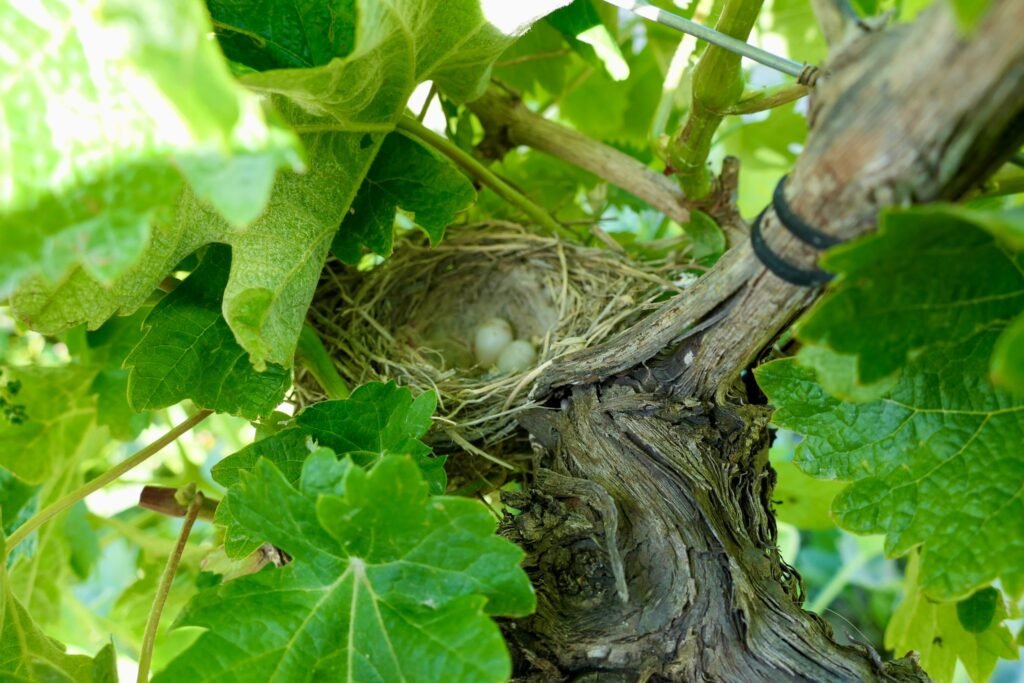
I asked Mauricio whether this renaissance is clever marketing – or something deeper.
K.Y.: The global wine world is facing declining consumption. But Sherry – and Tío Pepe especially – seems to be gaining relevance again. Is this a result of strategic marketing, or are younger consumers genuinely rediscovering the category?
M.G.: “Consumption patterns are cyclical. They change. But beneath those cycles, there is the essence of the product.”
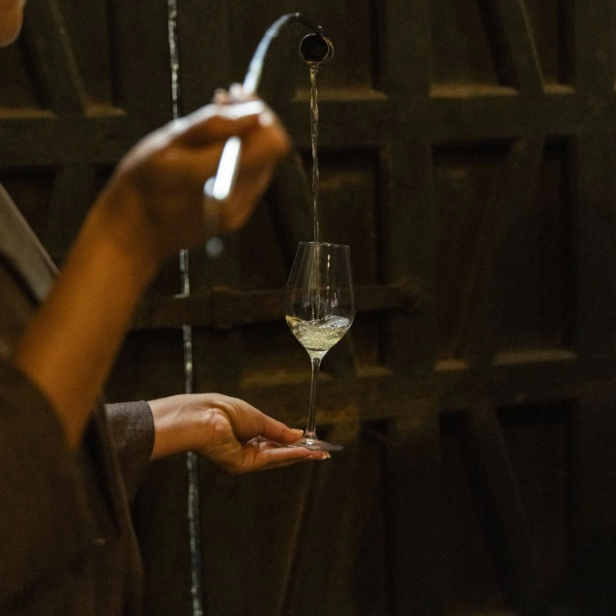
He leans forward slightly when he speaks about Sherry: “Sherry is different from everything else. The ageing system, the biological development, the oxidative styles, the versatility – it offers something unique. For people who want to explore wine seriously, Sherry is inevitable.”
He does not call it a miracle: “The product has always been strong. The challenge is accessibility. How do we make it easy for consumers to approach it?”
One of the key initiatives has been the Tío Pepe Challenge, an international cocktail competition that engages more than 1,500 mixologists annually across multiple countries. Finalists are invited to Jerez, turning bartenders into category ambassadors.
“For younger consumers, cocktails are often the first contact point,” Mauricio explains. “If Sherry can demonstrate its versatility in that context, it breaks the stereotype.”
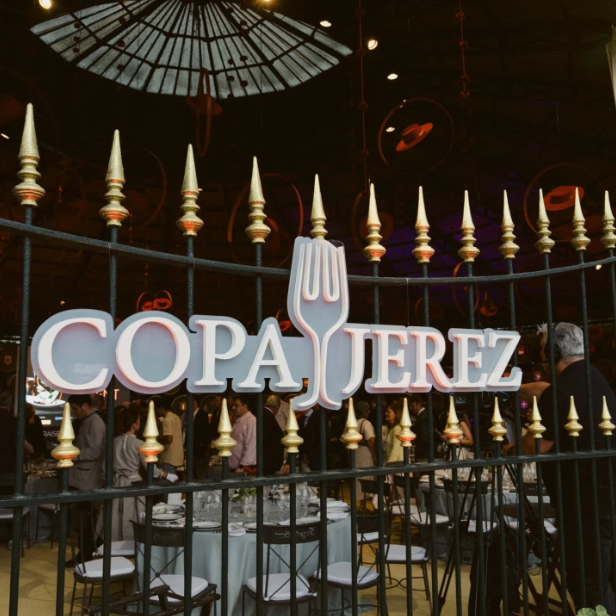
Rather than fighting cocktail culture, they entered it. At the high-end dining level, Copa Jerez has become a powerful positioning tool. The international pairing competition brings together Michelin-starred chefs and sommeliers, reinforcing Sherry’s status beyond an aperitif.
“For many years, Sherry was seen mainly as an aperitif,” he says. “But it works beautifully across the entire meal –from Fino to Amontillado to Palo Cortado and beyond.”
The strategy reframes Sherry not as a nostalgic fortified wine but as a versatile gastronomic tool.

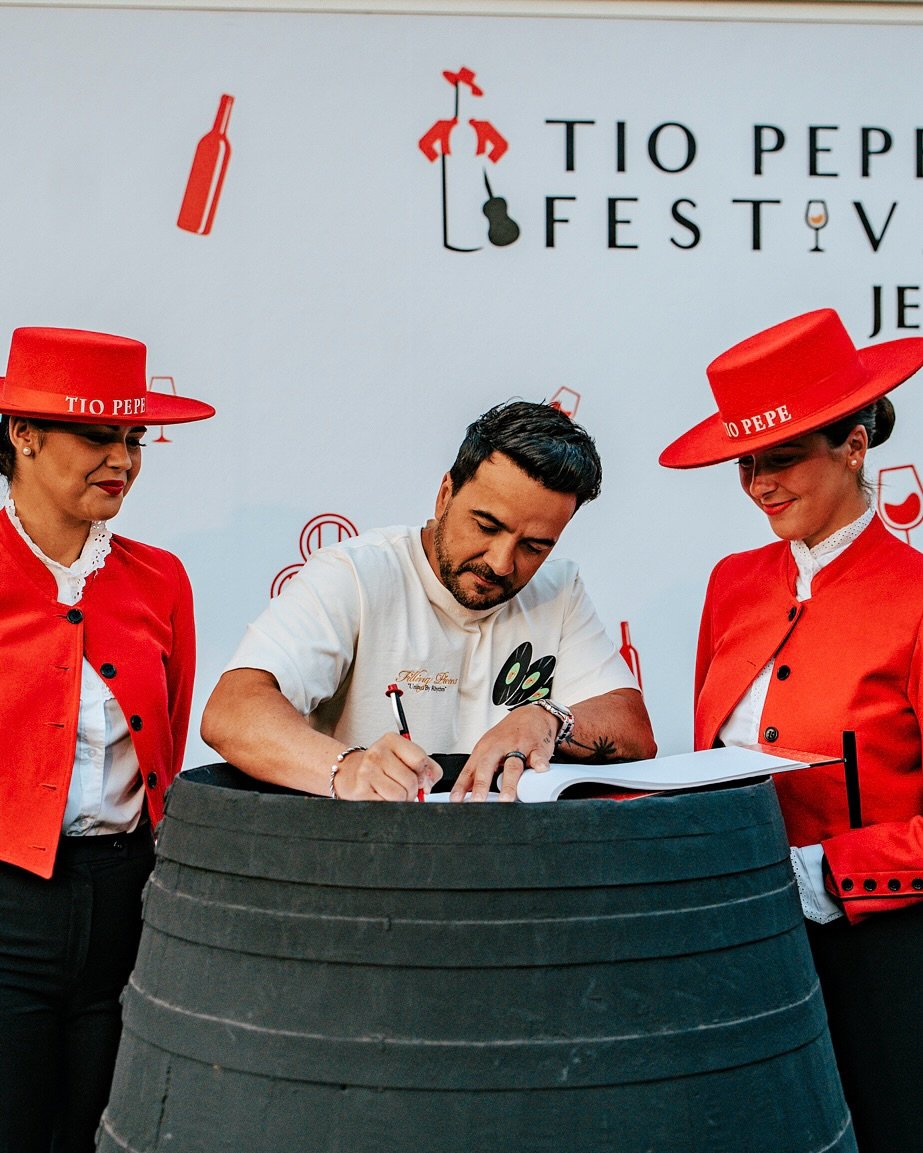

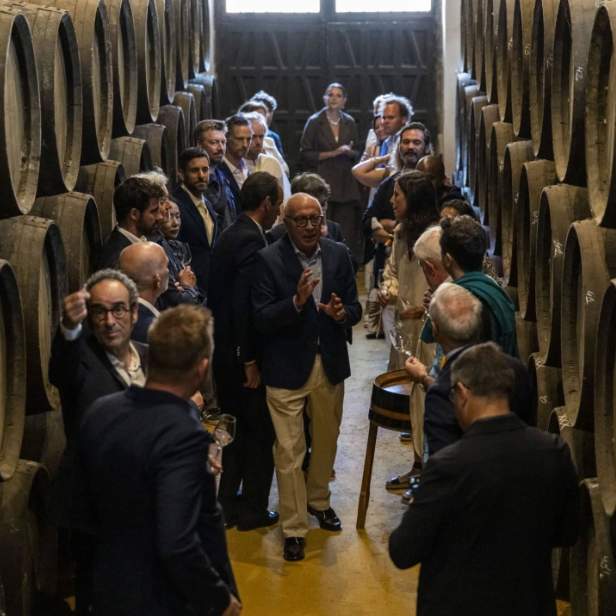
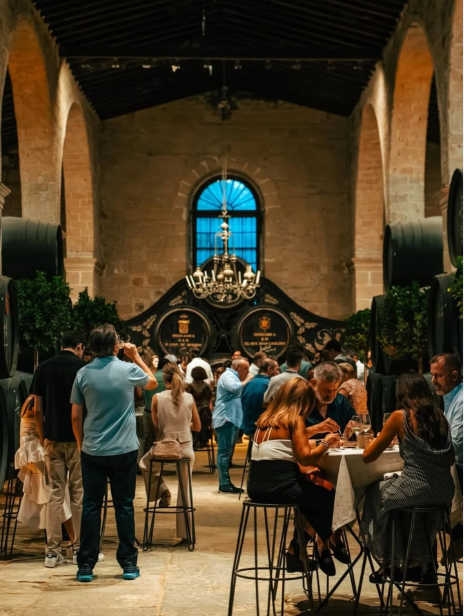
González Byass welcomes approximately 200,000 visitors annually to Jerez. Beyond cellar tours, the company operates Hotel Bodega Tío Pepe and hosts the Tío Pepe Festival, which connects wine with music, culture, and social memory.
“Experience strengthens memory,” Mauricio says.
“When people live Sherry – not just taste it – they retain it.”
For a category built on a solera system that blends decades into a single glass, patience is embedded in production. Now that same patience appears to be shaping its revival.
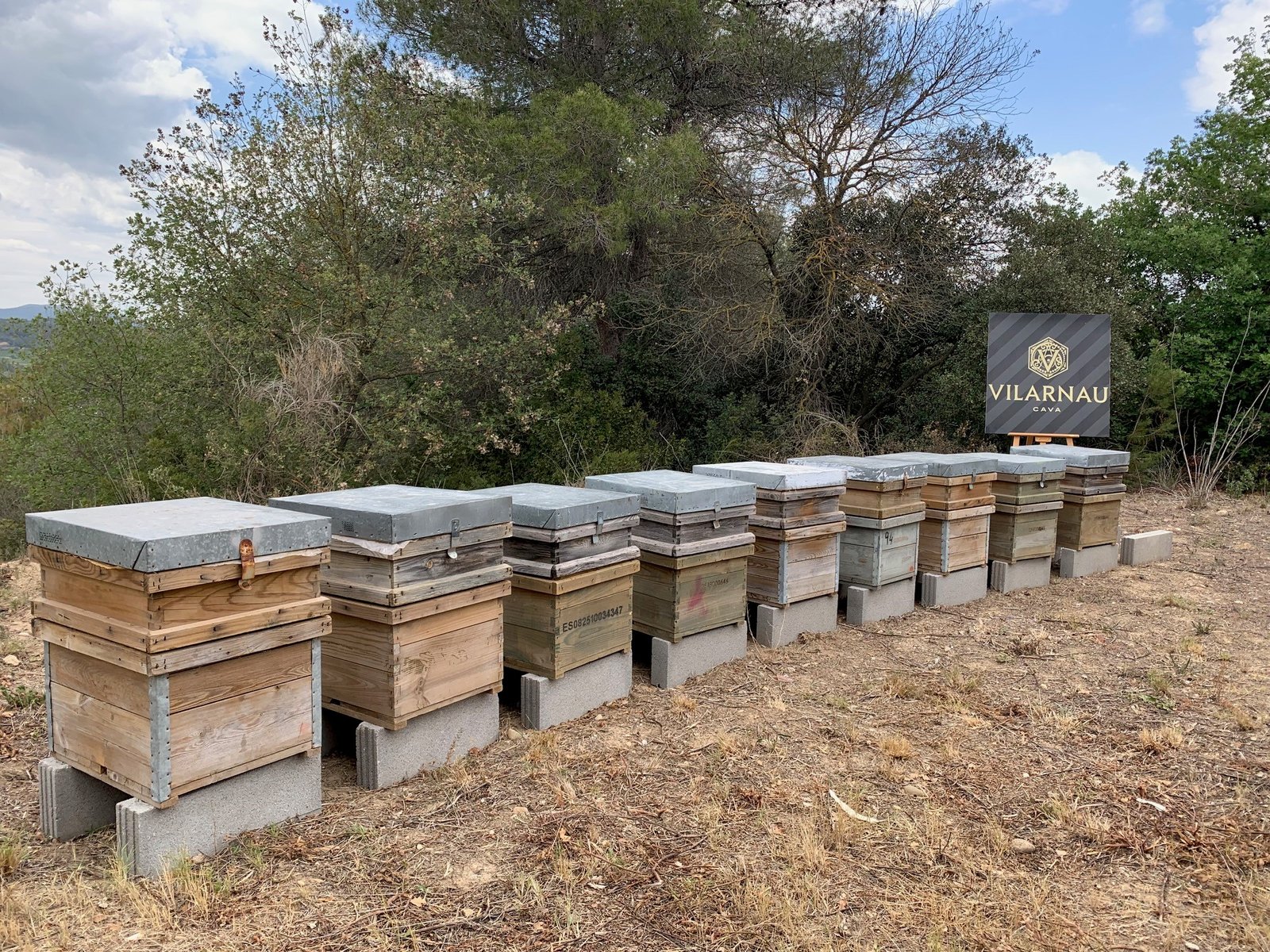
If there is one shift that has forced traditional wine houses to confront uncomfortable questions, it is the rise of low and no alcohol. The category is no longer experimental. In the UK and parts of Northern Europe, growth in 0.0% and reduced-alcohol beverages has outpaced that of traditional wine segments. Health awareness, a culture of moderation, weekday consumption patterns, and social flexibility are reshaping drinking occasions.
For heritage producers, the dilemma is delicate:
Through Vilarnau 0.0 and Vilarnau 8%, the group entered the category via Cava – a sparkling format already aligned with celebration and lifestyle positioning. Now, expansion continues with upcoming reduced-alcohol launches from Viñas del Vero, including 0.0, 8% and a 5.5% Spritz concept. Meanwhile, Croft Twist, a Fino-based Spritz, has doubled volumes year-on-year in Spain.
I asked Mauricio whether this move required internal persuasion.
K.Y.: For a company with nearly 190 years of history, was it difficult to convince the organisation that alcohol-free and reduced-alcohol wines deserve serious strategic attention?
M.G.: “Not really. Even with a long history, we have always looked to the future. Market reality must be incorporated into decision-making.”
He is careful about one point: “With a well-known brand like Tío Pepe, you must be cautious. Consumers expect something specific. So any extension must respect that identity.”
He frames low alcohol not as dilution, but as diversification: “Consumers are changing. They are moderating. They are creating new occasions. If we do not respond, we become less relevant.”
He adds that innovation is not imposed from above – it is developed collaboratively across winemaking teams.
“We have strong technical teams in each winery, and they share experience. When the market trend is low alcohol, we ask them to explore solutions. But always respecting origin and character.”
What is interesting about González Byass’ approach is that it treats low- and no-alcohol options not as a moral position but as an occasion design. A 0.0 sparkling wine works differently from a 5.5% Spritz. An 8% wine sits between traditional and abstinent categories.
Rather than abandoning alcohol strength as identity, the company is building a spectrum. For a house founded on fortified wine – historically stronger in alcohol – this repositioning signals flexibility without denial. It is not a retreat. It is recalibration. And once again, the logic circles back to generational thinking: If the next generation drinks differently, the house must remain present at their table – even if the glass contains less alcohol.
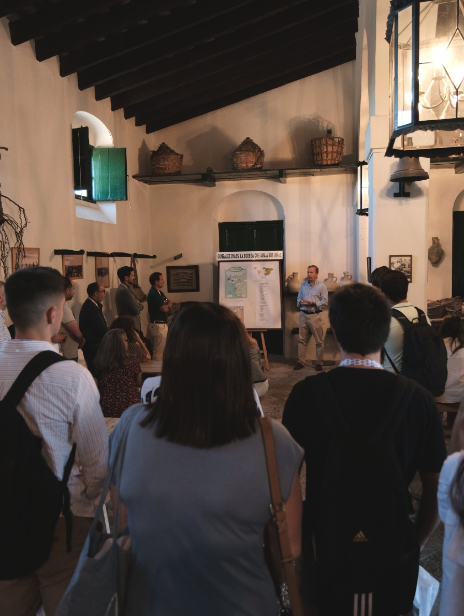
Wine is one of the few consumer goods that requires explanation to unlock its value. Temperature matters. Glassware matters. Serving order matters. Story matters. In a market where consumers are overwhelmed with choice – and where younger generations are less automatically educated about traditional categories like Sherry – knowledge becomes a strategic lever. González Byass reports investing over 15,000 hours annually in training through the González Byass School, covering internal teams, on-trade professionals, distributors and hospitality staff. The programme extends beyond product knowledge into service standards, origin understanding and sustainability awareness.
In an era of tightening margins, investing heavily in education is not a sentimental choice. It is a calculated one.
I asked Mauricio why this pillar matters so much.
K.Y.: You invest significantly in training and education through the González Byass School. With pressure on margins and increasing operational costs, why prioritise education so strongly?
M.G.: “Because education strengthens the entire category.”
He does not frame it as brand promotion.
“When someone in a restaurant understands the product – the origin, the production process, how it should be served – the experience improves immediately. And when the experience improves, the consumer returns.”
He stresses that wine is not self-explanatory.
“In the past, fewer denominations existed. Today, the wine world is much more complex. There are many origins, many styles. Younger professionals entering hospitality may not be familiar with them. So education becomes essential.”
He brings it back to emotion.
“When people love what they are serving, they communicate differently. It is not just pouring. It is transmitting.”
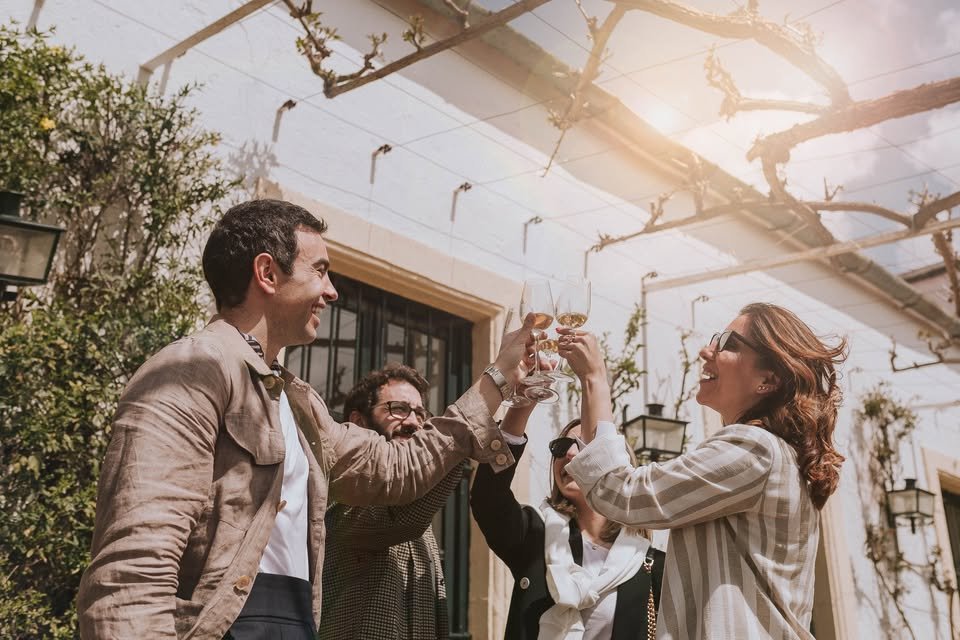
The School is not limited to the on-trade. It reinforces internal cohesion across the group’s multiple wineries and markets. For a company operating in over 100 countries, education aligns identity. It ensures that sustainability commitments, brand values and product positioning are understood consistently – whether in Jerez, London or Mexico City. In a sector often driven by short-term promotional tactics, González Byass treats knowledge as infrastructure. And infrastructure is rarely visible – but always decisive.
It is easy to admire a 190-year-old wine house. It is harder to understand how it stays structurally relevant. González Byass does not position itself as a nostalgic guardian of tradition. Nor does it present itself as a disruptor chasing trends. The strategy that emerges from Mauricio González-Gordon’s leadership is something more restrained – and more durable. Generational thinking, in this context, is not romantic. It is operational. It shapes investment in renewable energy even when margins tighten. It justifies the use of soil sensors in vineyards threatened by drought. It requires lighter bottles, even as some markets still prefer heavy glass. It allows low-alcohol innovation without diluting core identity. It funds education because understanding protects value. The annual Palmas selection shows mastery of biological ageing. The Lepanto redesign demonstrates premium repositioning aligned with sustainability. The Tío Pepe Challenge brings Sherry into cocktail culture. Ángel de Viñas protects vineyards that cannot survive without intervention. None of these actions is spectacular in isolation. Together, they form a pattern. A company that thinks in quarters optimises revenue cycles.
A company that thinks in generations optimises continuity. When Mauricio says, “If you think generationally, you cannot ignore responsibility,” it sounds less like philosophy and more like constraint. Climate change, shifting consumption, and technological disruption – these are not optional themes. They are structural realities. Ultimately, González Byass offers a case study not of reinvention but of controlled evolution. The solera system blends vintages across decades. The company appears to apply the same logic to strategy – layering tradition, adaptation and discipline into a single identity.
And perhaps that is the real lesson from Jerez: Longevity is not inherited. It is maintained.
⇒ Join our social networks ⇒ Optimistic D+ editors will take this as a compliment.
⇒ Every like is taken as a toast!
08.04.2026
23.03.2026