На сайте используются cookie файлы
The site uses cookie files
Данный сайт имеет возрастное ограничение!
This site has age restrictions!
Я подтверждаю, что мне, увы, уже давно исполнилось 18 лет

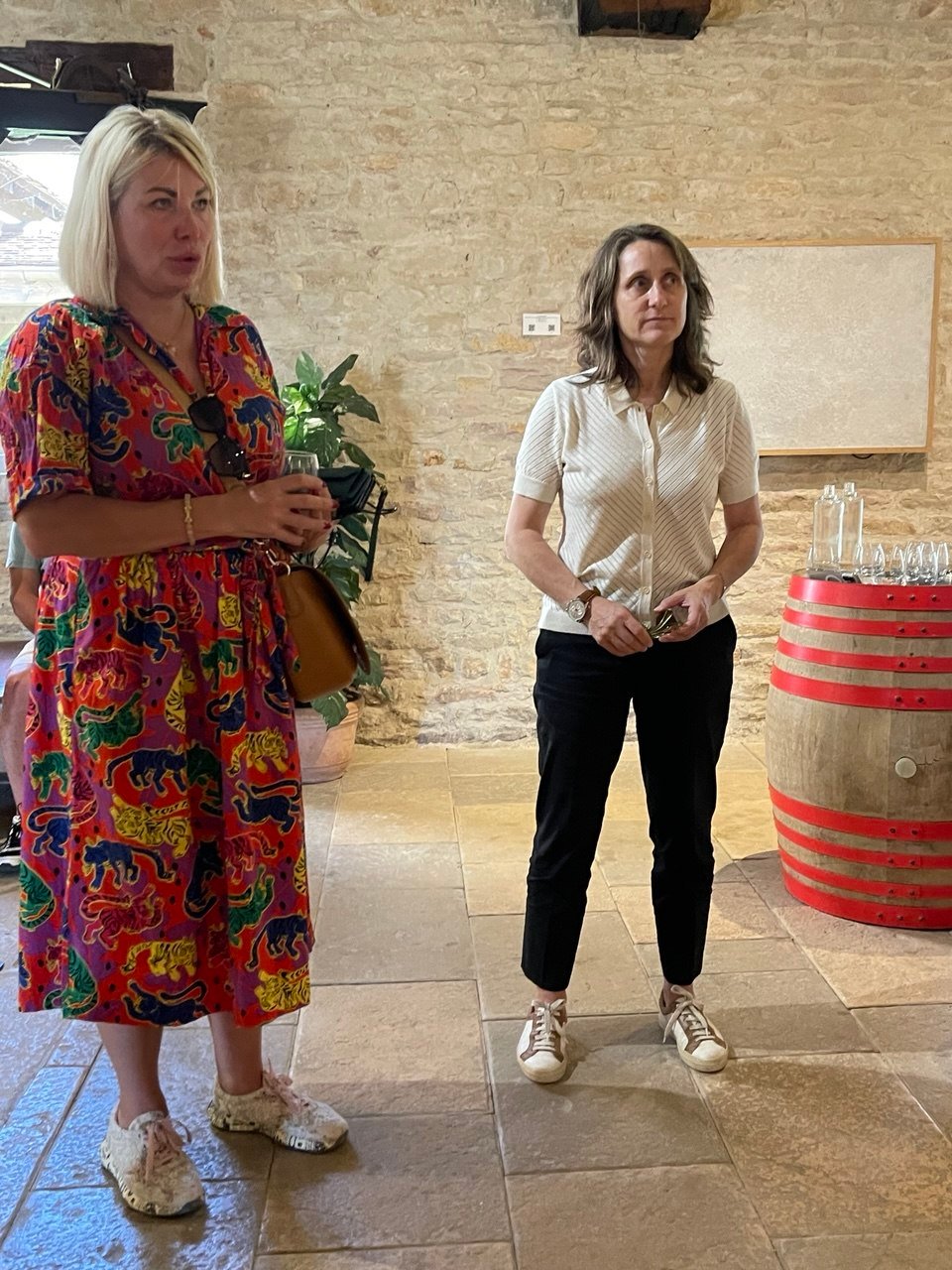
There are people whose true stature cannot be discerned at first glance. That was precisely my impression of Francine Picard when we met this summer. Petite, reserved and almost intimate in conversation, she belongs to that rare category of individuals whose ambitions are never directed towards self-promotion, yet whose influence has the power to reshape entire sectors.
When circumstances placed her at the helm of several Burgundy estates, Francine Picard had to earn her authority in a wine world where tradition had worn an overwhelmingly male face for centuries. Today, she stands among the individuals helping to define Burgundy’s future. Owners of some of France’s most prestigious domaines value her judgement, while her strategic vision and managerial instinct deserve consideration far beyond the boundaries of wine. Francine Picard’s story reminds us that true influence is measured not by the size of an empire, but by the ability to see further than others.
That is why I have chosen not to write about the wines of Famille Picard. They are impeccable and best appreciated in the glass. More compelling is the story behind what might be described as the haute couture of wine business: a model Madame Picard has effectively created, where every decision is tailored to a particular terroir, every estate treated as a unique expression rather than another piece in a larger portfolio.
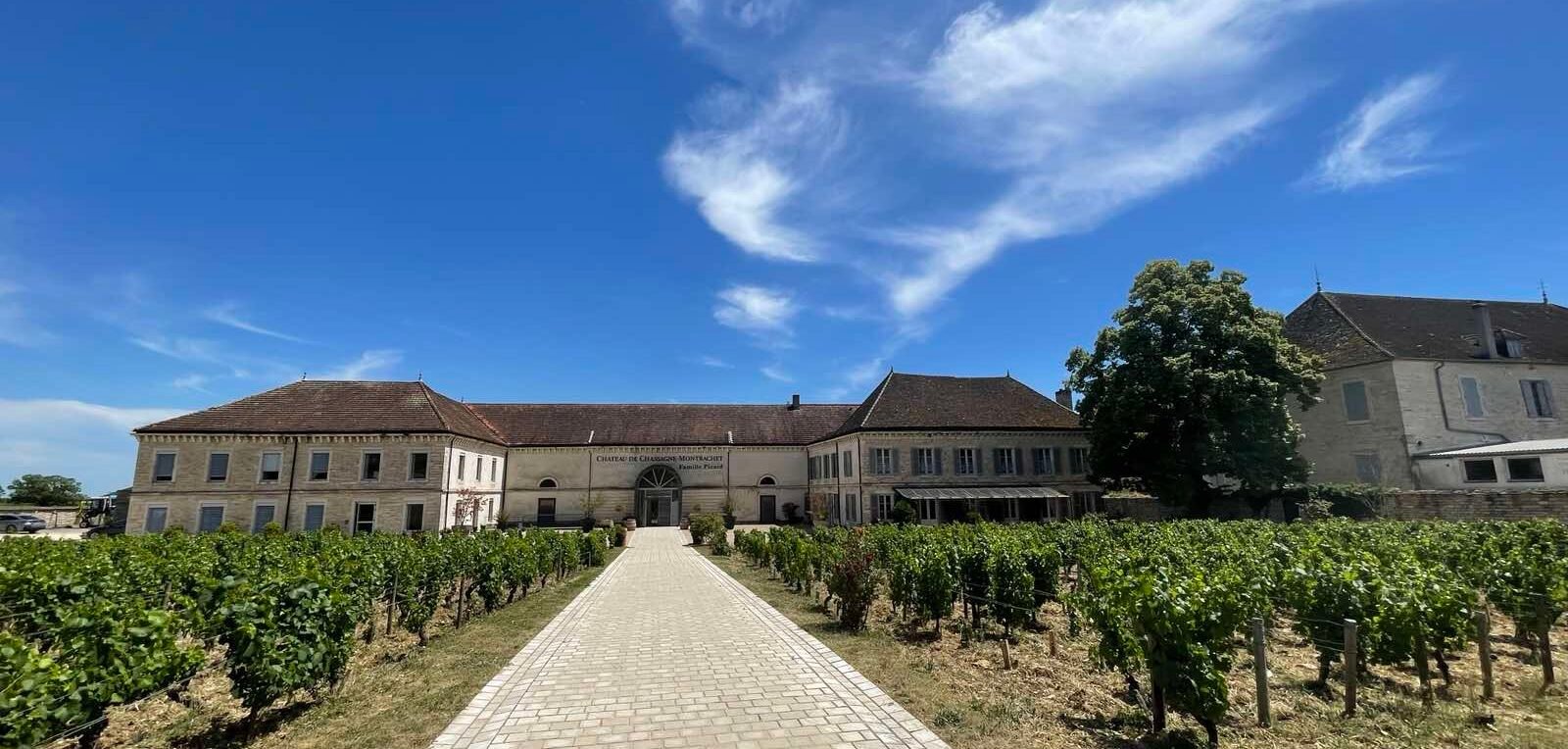
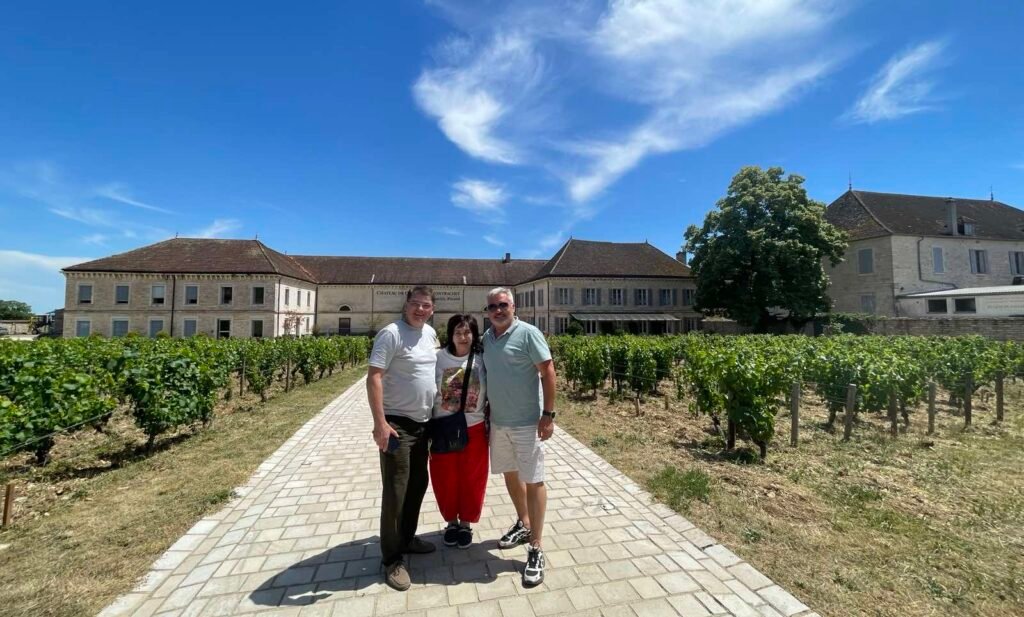
During a recent journey through Burgundy organised by the Drinks+ Media Group and the Wine Travel Awards project, we had the opportunity to visit Château de Chassagne-Montrachet and meet the woman behind one of the region’s most intriguing family wine enterprises: Francine Picard.
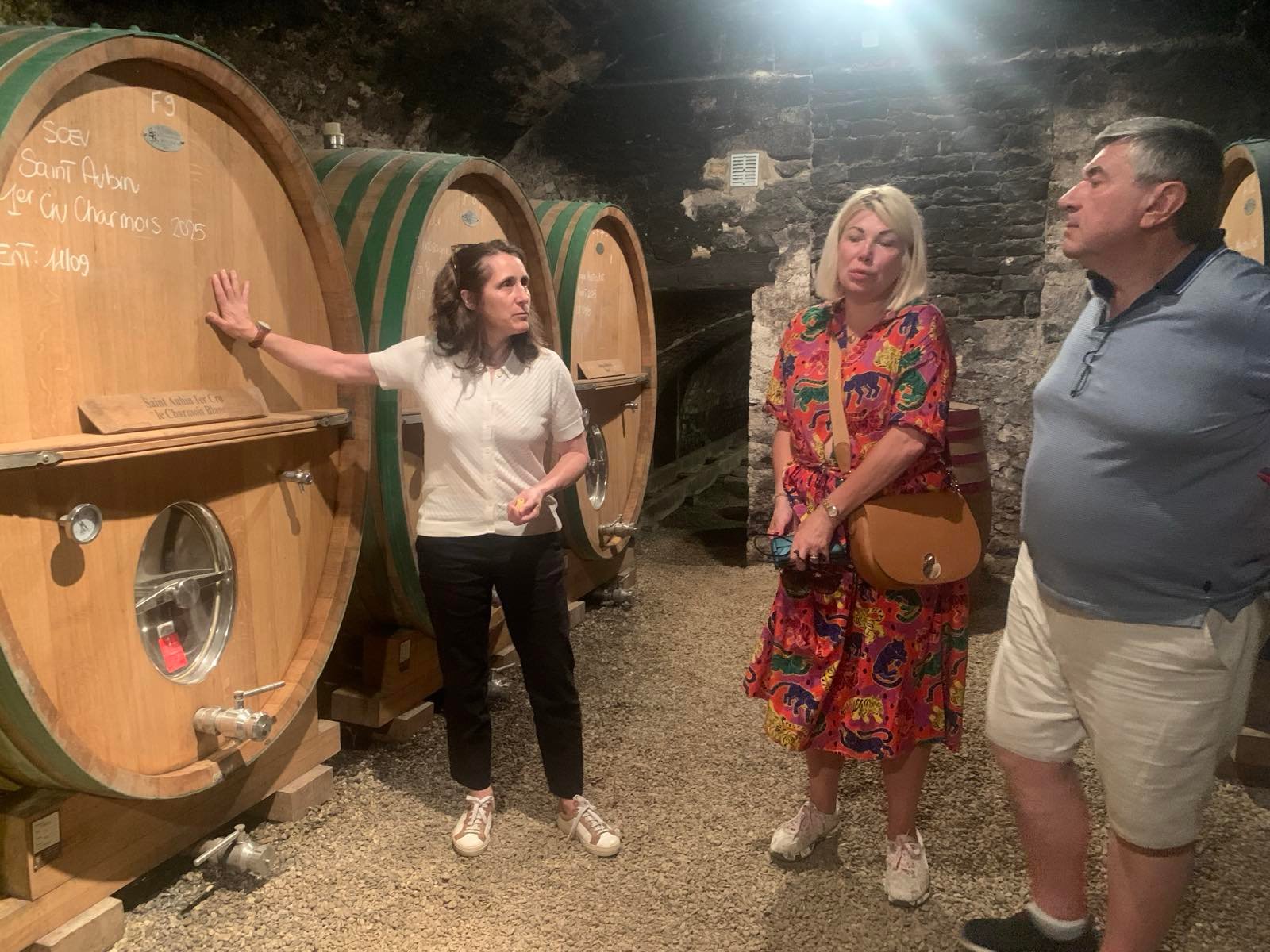
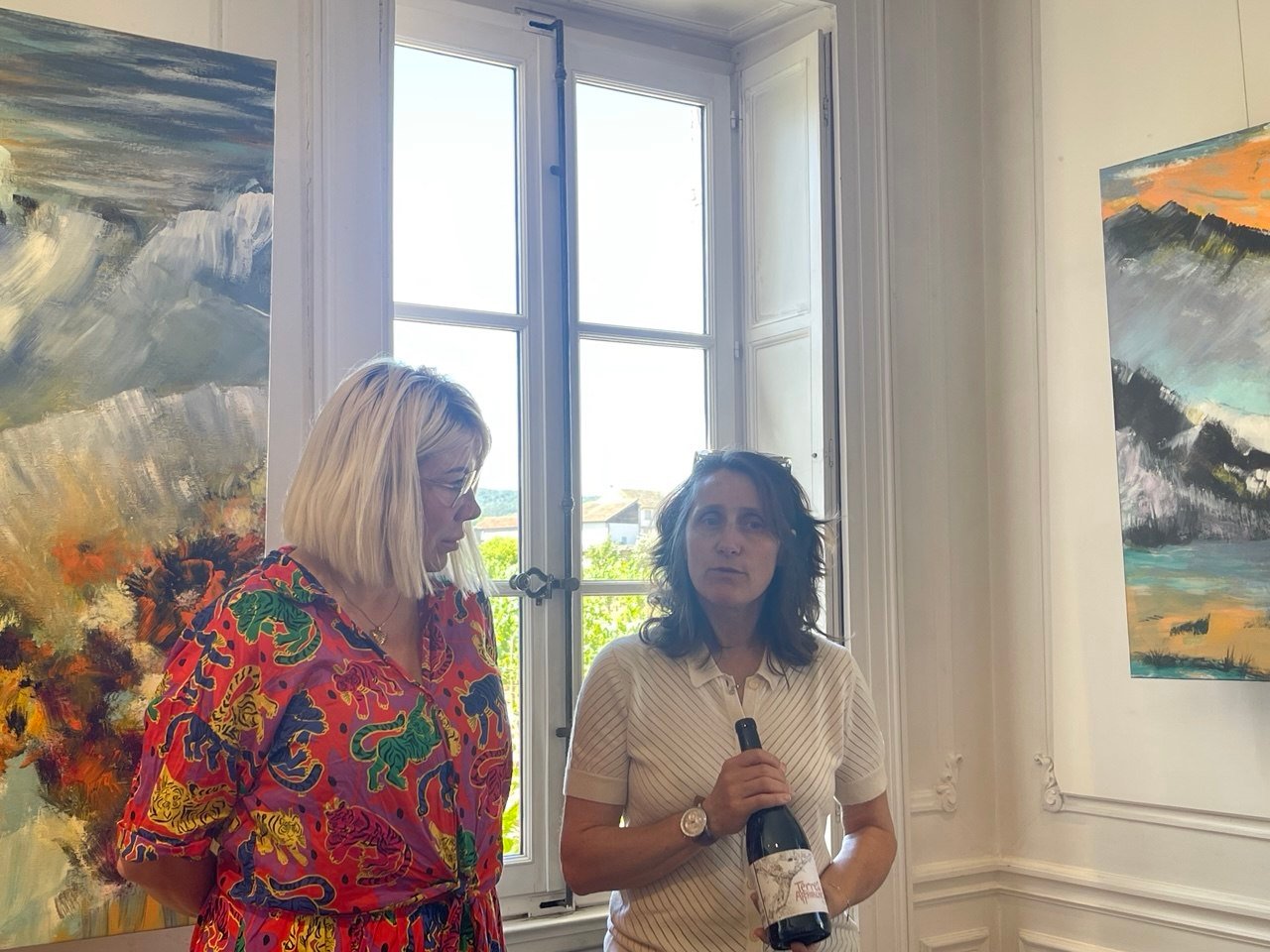
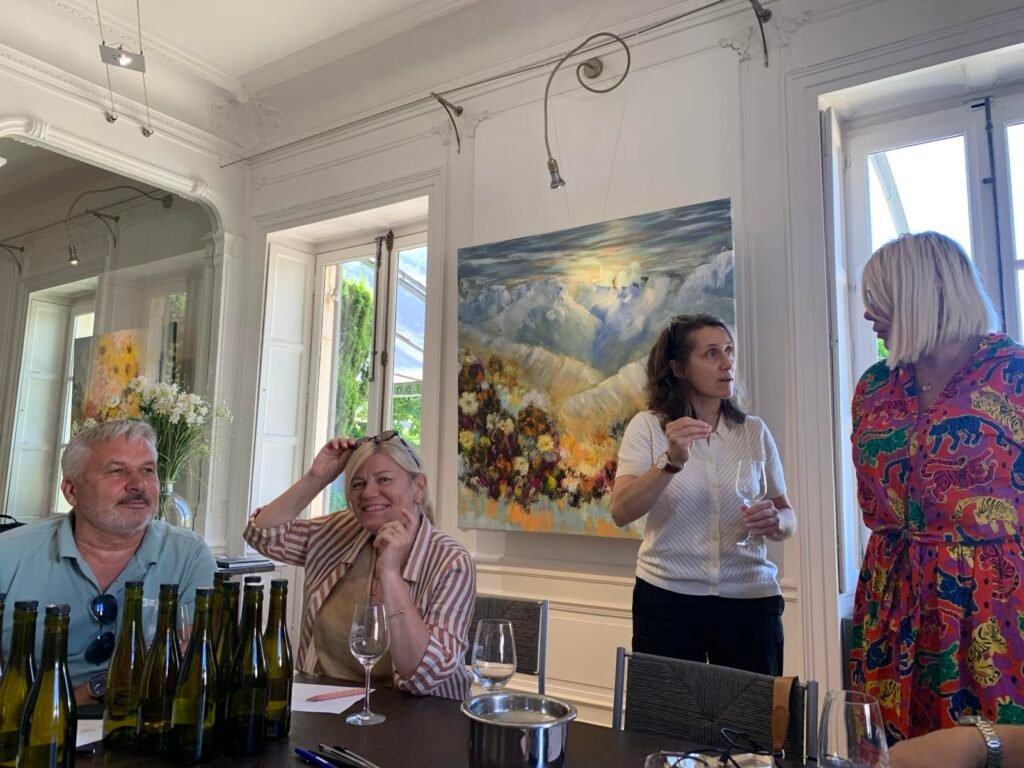
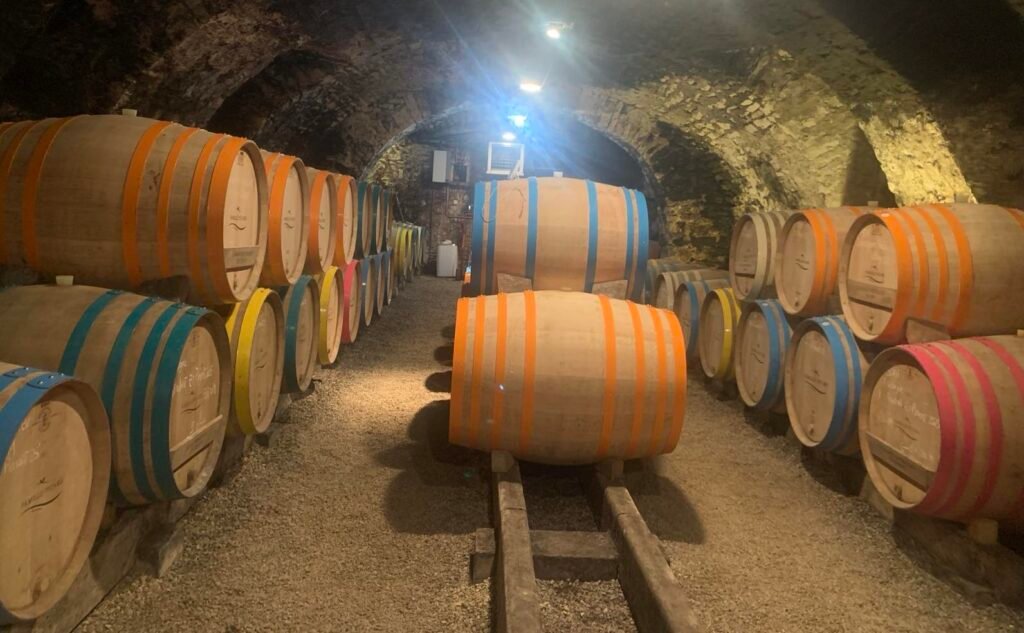
Yet even here, things unfolded rather differently from what one might expect during a visit to a renowned wine estate. We toured the impressive historic château, explored centuries-old maturation cellars and tasted a selection of outstanding wines from the family’s collection. The true highlight, however, was a tasting led personally by Madame Picard. More accurately, it was not a tasting at all, but a fascinating exercise in sensory exploration.
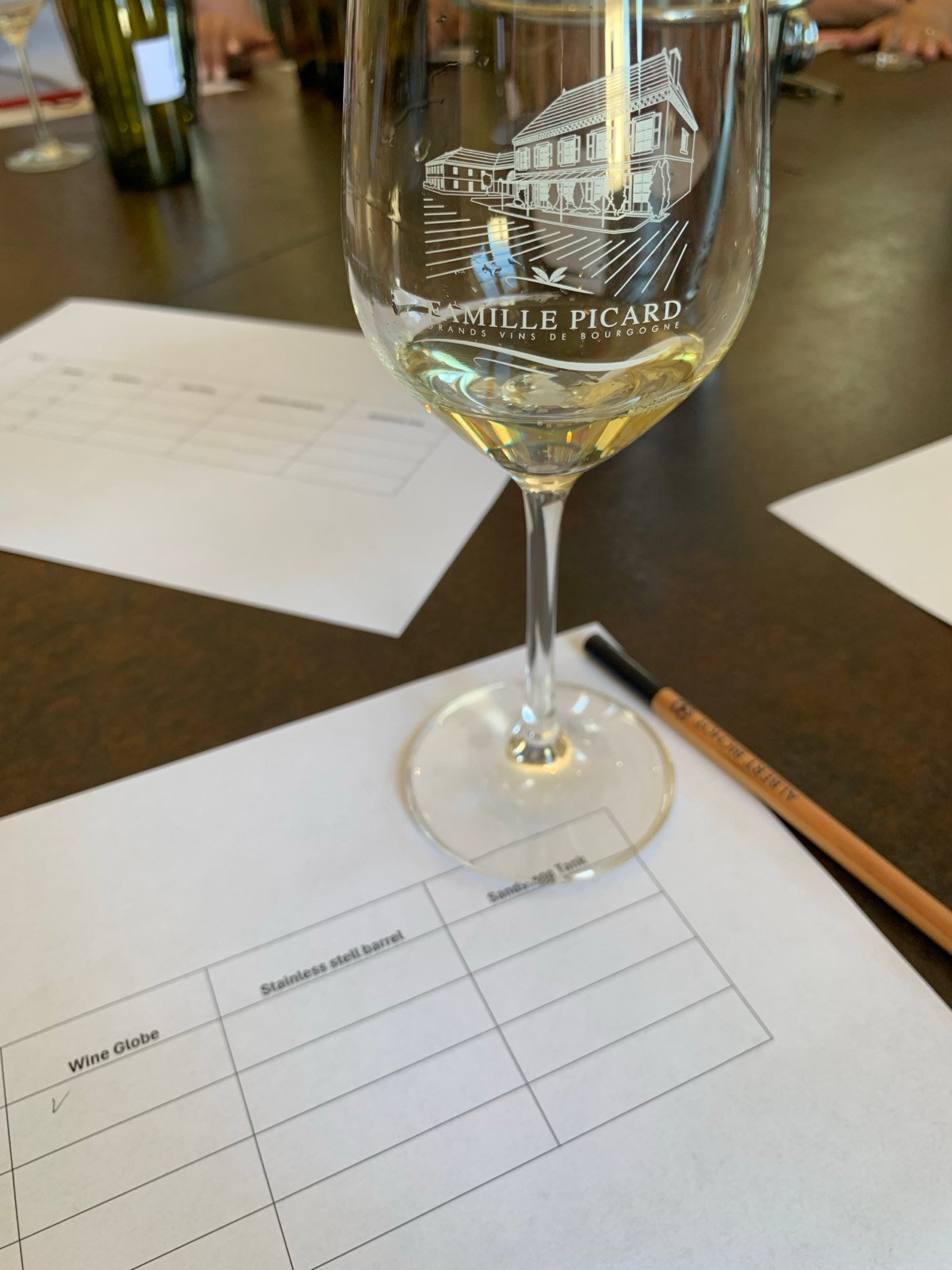
Participants were invited to compare four Chardonnays from the same vintage, each matured in a different vessel. Our challenge was to identify where the wines had been aged: in oak barrels, stainless-steel tanks, amphorae or the increasingly fashionable Wine Globe.
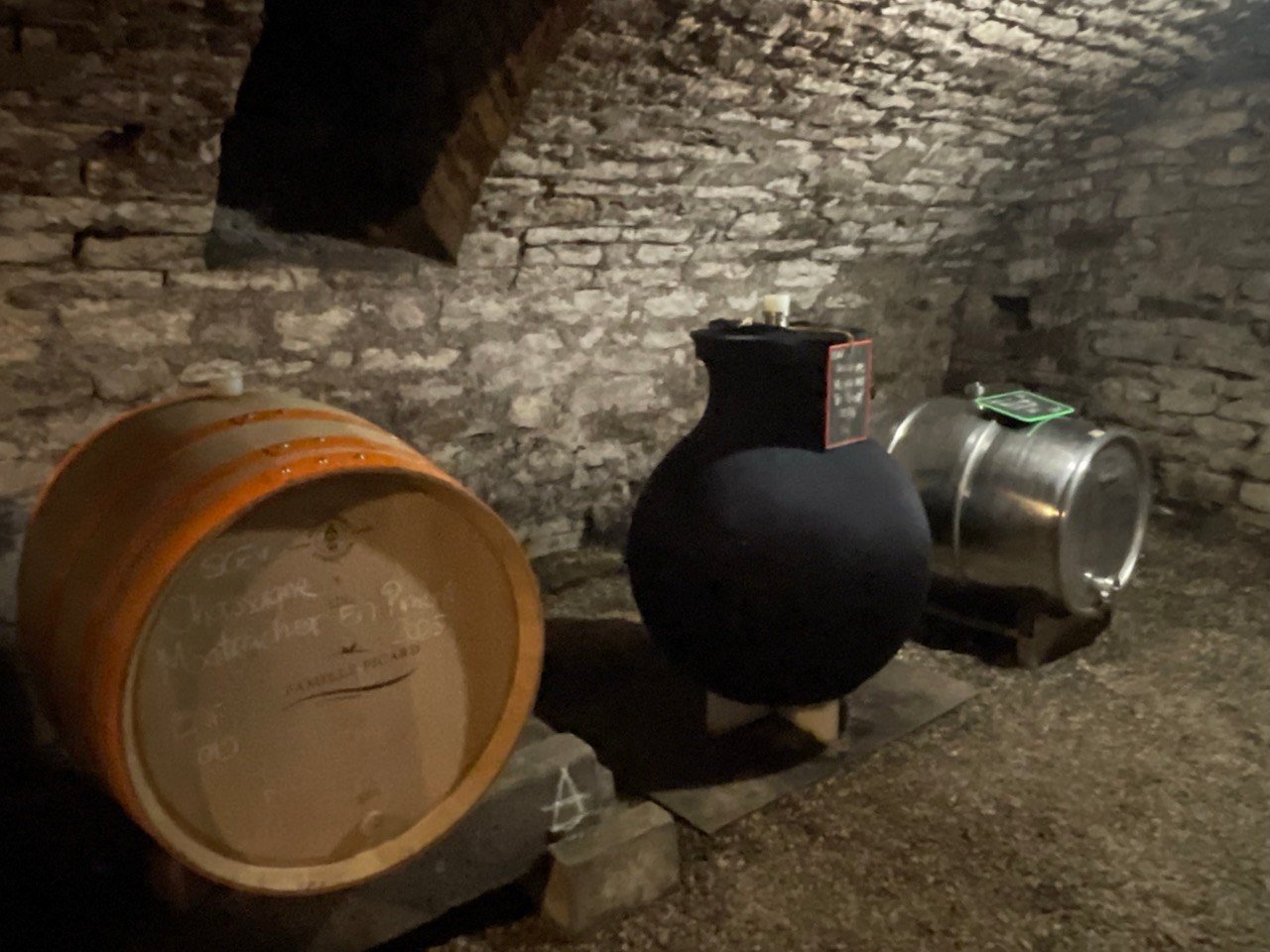
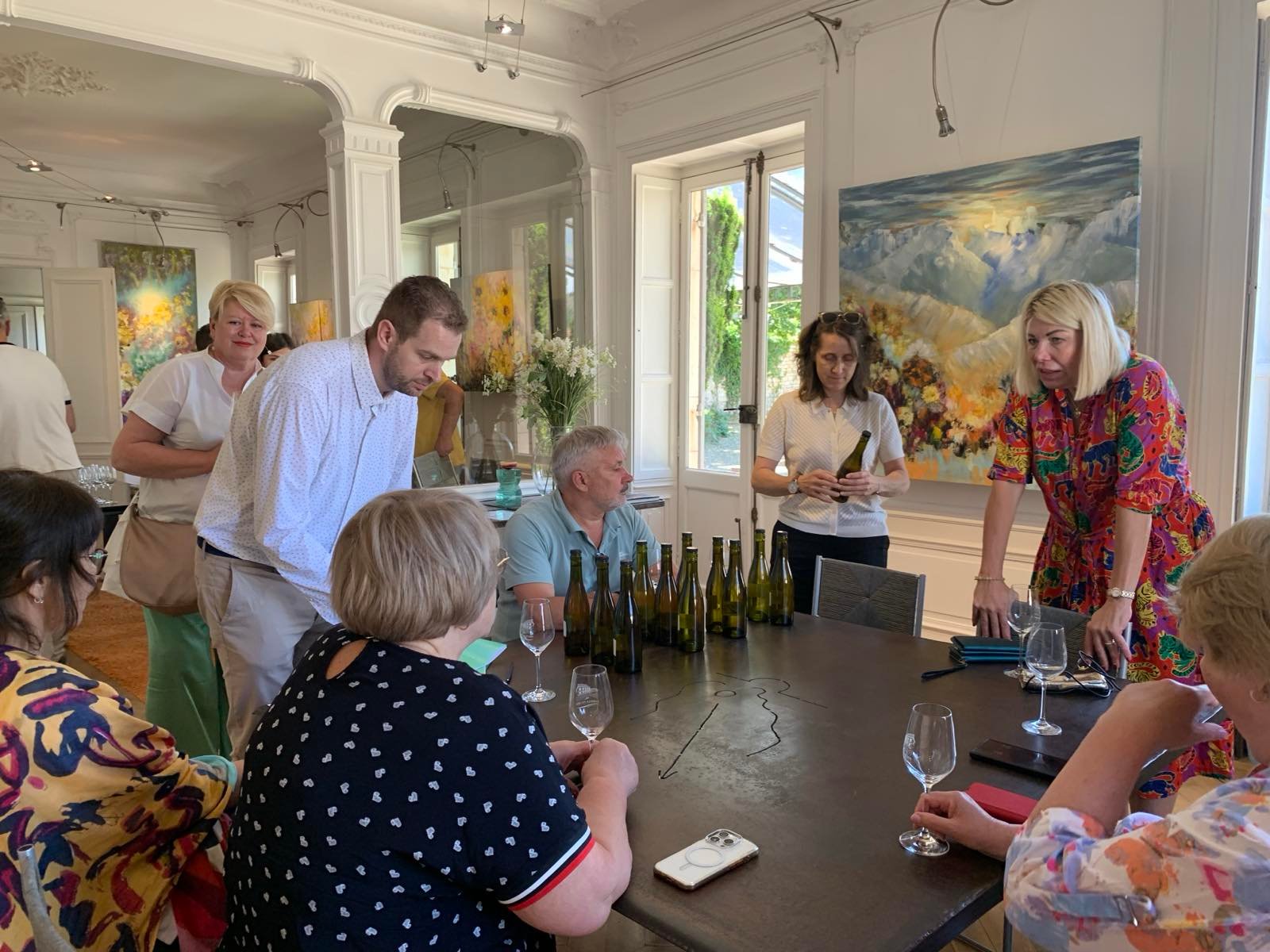
Given that the group included not only journalists and influencers, but also restaurateurs, sommeliers and winemakers, the experiment proved remarkably engaging. Guests were able to test their tasting abilities while gaining a tangible understanding of how different ageing vessels shape a wine’s aromatic and textural profile. At the same time, the exercise provided its host with valuable insight into professional perceptions of various winemaking choices.
It is in such details that Francine Picard’s character reveals itself. She thinks simultaneously as a winemaker, researcher, business leader and communicator. The same spirit of creativity and inquiry can be found across virtually every aspect of the group she leads.
For behind the apparent fragility of this elegant woman stands one of the most fascinating family wine projects in contemporary Burgundy.
Today, Famille Picard encompasses 140 hectares of vineyards stretching across the Côte de Beaune and Côte Chalonnaise. The group consists of four estates: Au Pied du Mont Chauve, Domaine Voarick, Domaine Levert-Barault and Château de Davenay.
Each possesses its own history, terroir identity and distinctive personality. Yet all operate according to a single philosophy, expressed by Francine Picard during our visit: every vineyard must be passed on to the next generation in better condition than it was received.
This principle has guided the Picard family story from the very beginning. Founded in 1951 by Louis-Félix Picard, who owned just two hectares of vineyards in Chagny, the family business became a powerful example of how successive generations can transform a dream into a lasting tradition.
His son Michel left school as a teenager to work alongside his father. From that moment onwards, his life became an extension of the family endeavour, one that he would not merely inherit but continuously develop.
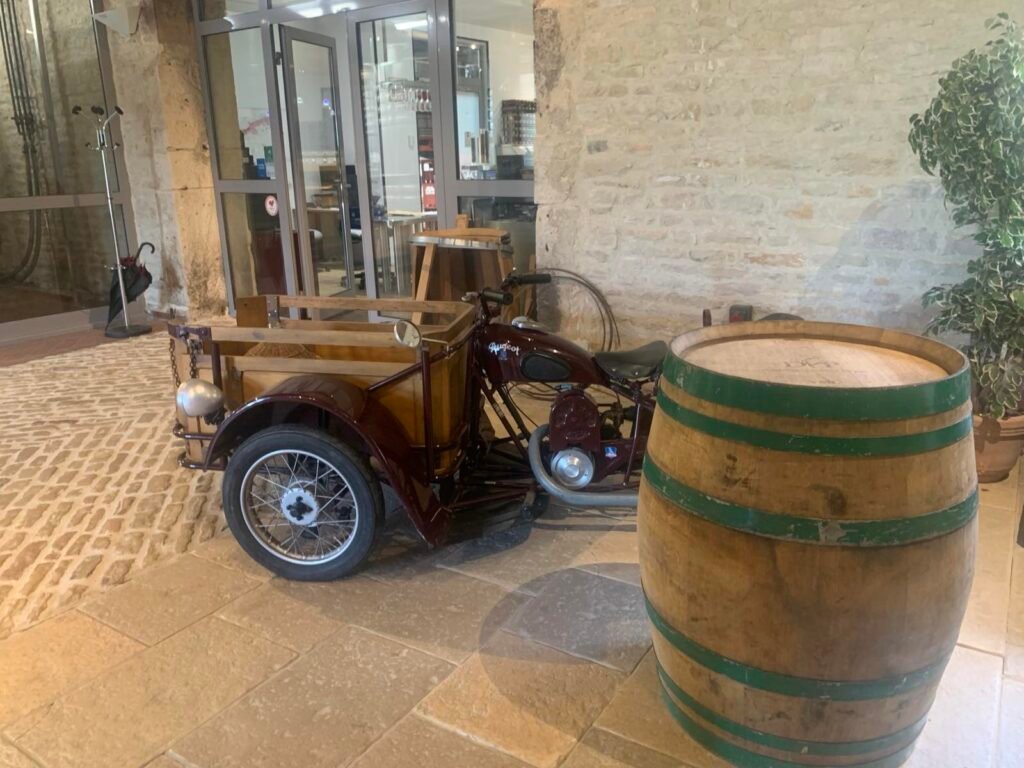
A fitting symbol of this forward momentum still stands outside Château de Chassagne-Montrachet today. Like thousands of visitors before us, we paused to admire the old three-wheeled Peugeot that has become something of a family icon. It was aboard this modest vehicle that a young Michel travelled across Burgundy, meeting growers, discovering terroirs and learning the secrets of the profession. It was more than a journey through the region; it was the making of a future visionary.
Having taken charge of the family business in the early 1970s alongside his wife Liliane, herself from a winegrowing family, Michel Picard steadily expanded the horizons of the family enterprise. The acquisition of Château de Davenay in 1986 and, later, Château de Chassagne-Montrachet represented far more than growth. They reflected his belief that true fidelity to tradition lies not in preserving it unchanged, but in helping it evolve.
Through passion, perseverance and an exceptional strategic vision, Michel Picard built a wine group respected throughout Burgundy. Yet perhaps his greatest achievement was something less tangible: he left the next generation with considerably more than he himself had inherited.
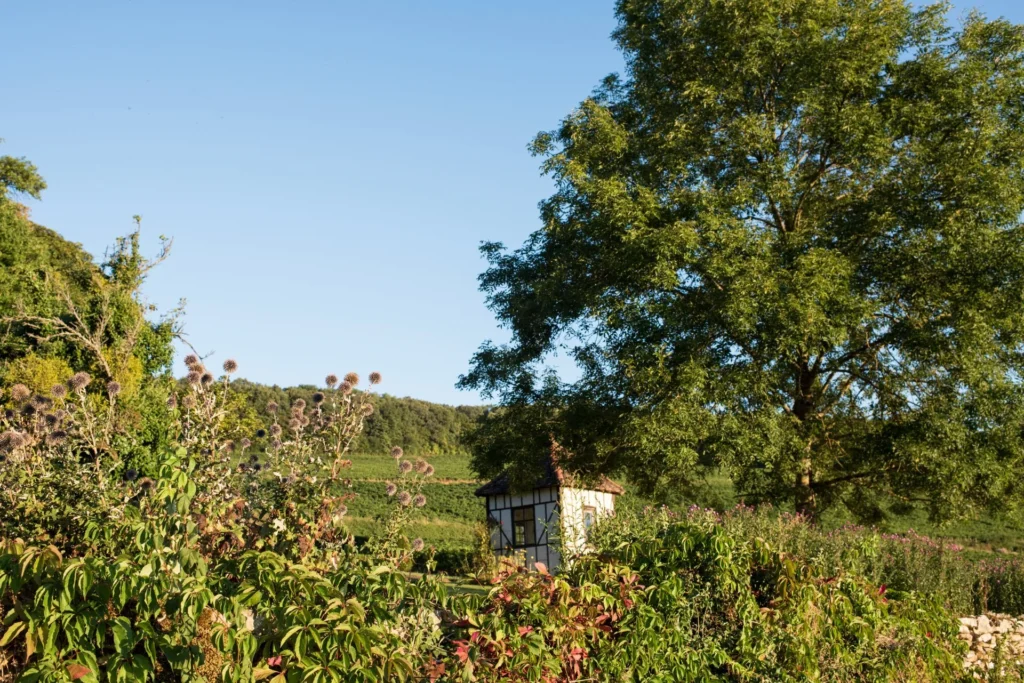
Foto: Famille Picard
Among the Famille Picard estates, Au Pied du Mont Chauve occupies a particularly distinctive position. It is here that the family crafts the wine collection it describes as Burgundy’s own form of haute couture. Watching the slender figure of Francine Picard against the imposing backdrop of Château de Chassagne-Montrachet, one cannot help but think of the House of Chanel and the singularly gifted woman who transformed the world of fashion. In wine, Picard is pursuing a revolution of her own, albeit one that is quieter, more thoughtful and infinitely more measured. Rather than challenging tradition, she seeks to refine it, guiding Burgundy towards a more sustainable future without ever losing sight of its heritage.
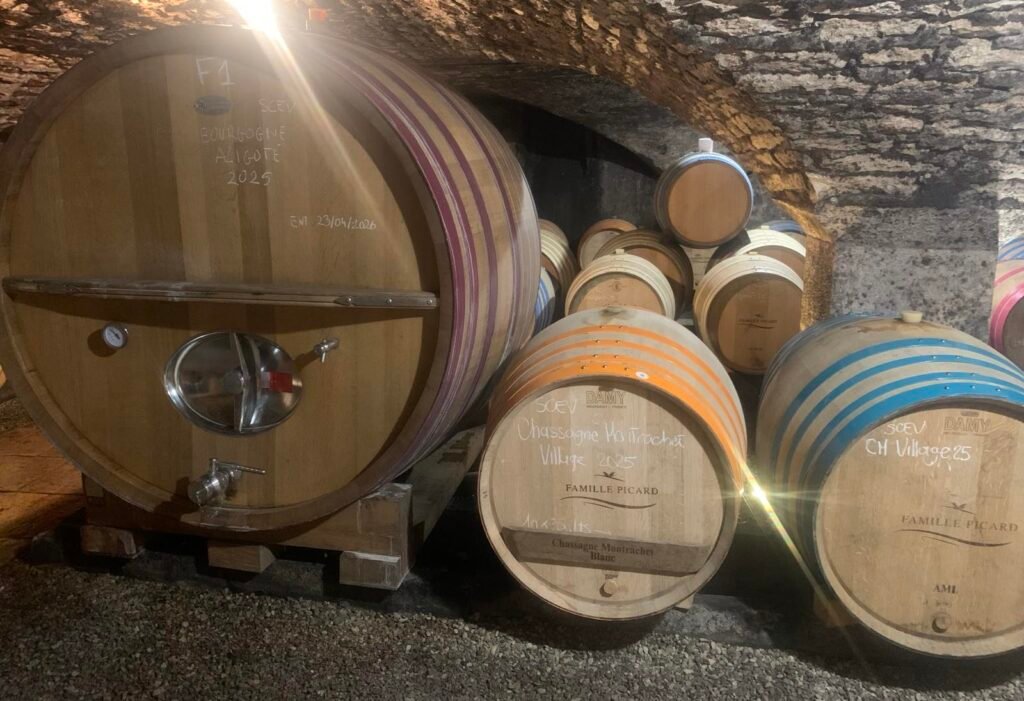
Today, the estate’s vineyards span some of the most sought-after terroirs of Chassagne-Montrachet, Puligny-Montrachet and Saint-Aubin. Farmed according to biodynamic principles for many years, 30 hectares are certified biodynamic, while the remainder are cultivated organically. The result is a portfolio that reflects not only the character of these celebrated sites but also a long-term commitment to responsible viticulture.
Meanwhile, Domaine Levert-Barault stands as a custodian of Mercurey’s rich heritage, while Château de Davenay gives expression to the traditions of Montagny. With its extensive vineyard holdings across the Côte Chalonnaise, Domaine Voarick demonstrates that ambition of scale can coexist with genuine finesse.
As one becomes acquainted with the family’s philosophy, it quickly becomes clear that, for Francine Picard, sustainability ceased long ago to be a matter of fashion or marketing. On the Famille Picard website, this approach is described as “intelligent, honest and responsible viticulture”, informed equally by the expertise of the great agronomists of the past and by contemporary scientific knowledge.
Today, all vineyards within the group are managed according to agroecological principles. This extends far beyond certifications or isolated environmental measures. The team works to preserve biodiversity, reduce water and energy consumption, optimise logistics, manage resources responsibly and systematically lower its carbon footprint. To support these ambitions, the family has developed its own environmental management system, PLINE, based on the principles of the ISO 14001 standard. Sustainability is embedded in every detail. Beyond lightweight bottles, even sugarcane-fibre closures and labels printed with naturally derived pigments form part of a refined and environmentally conscious approach.
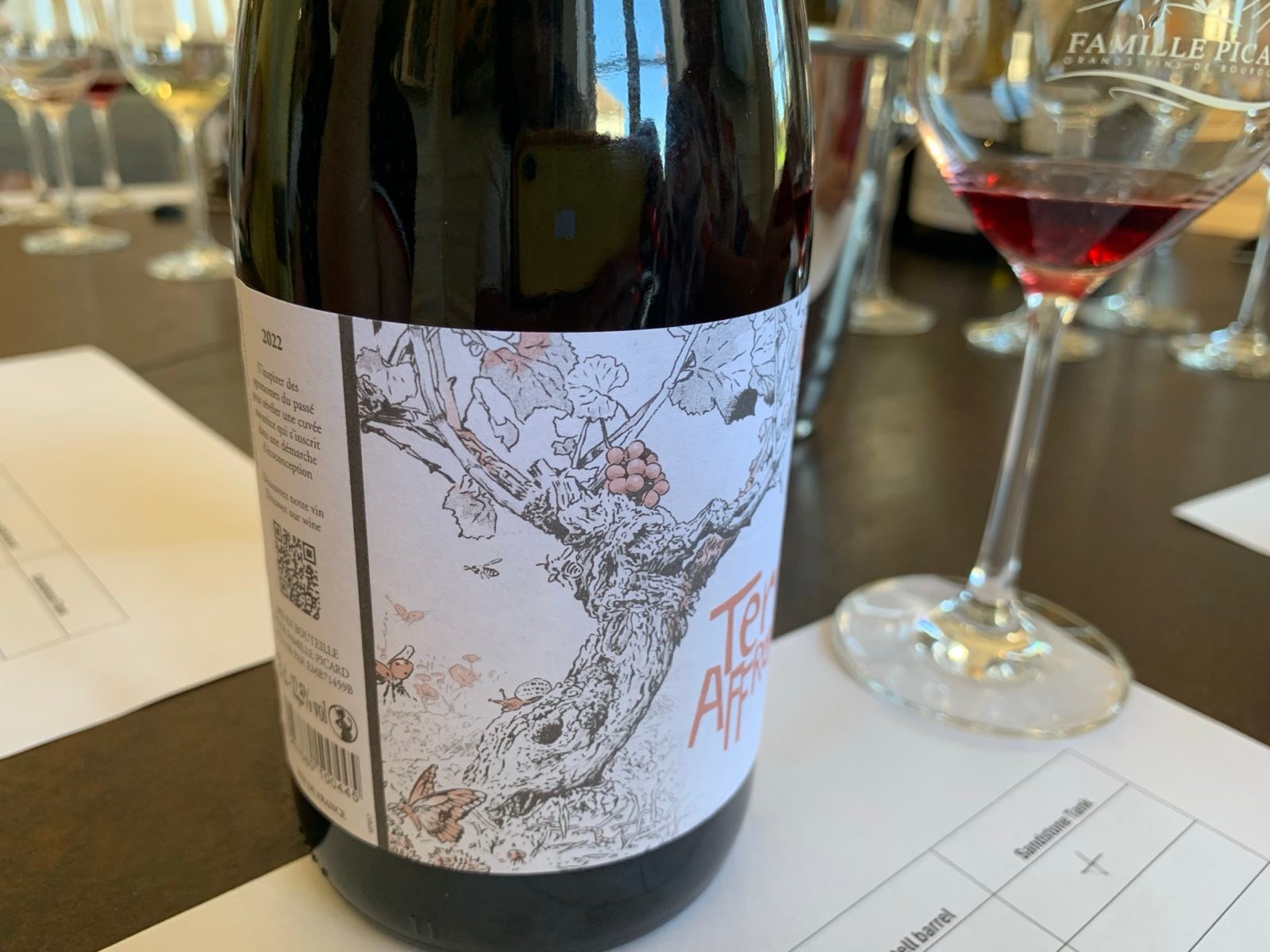
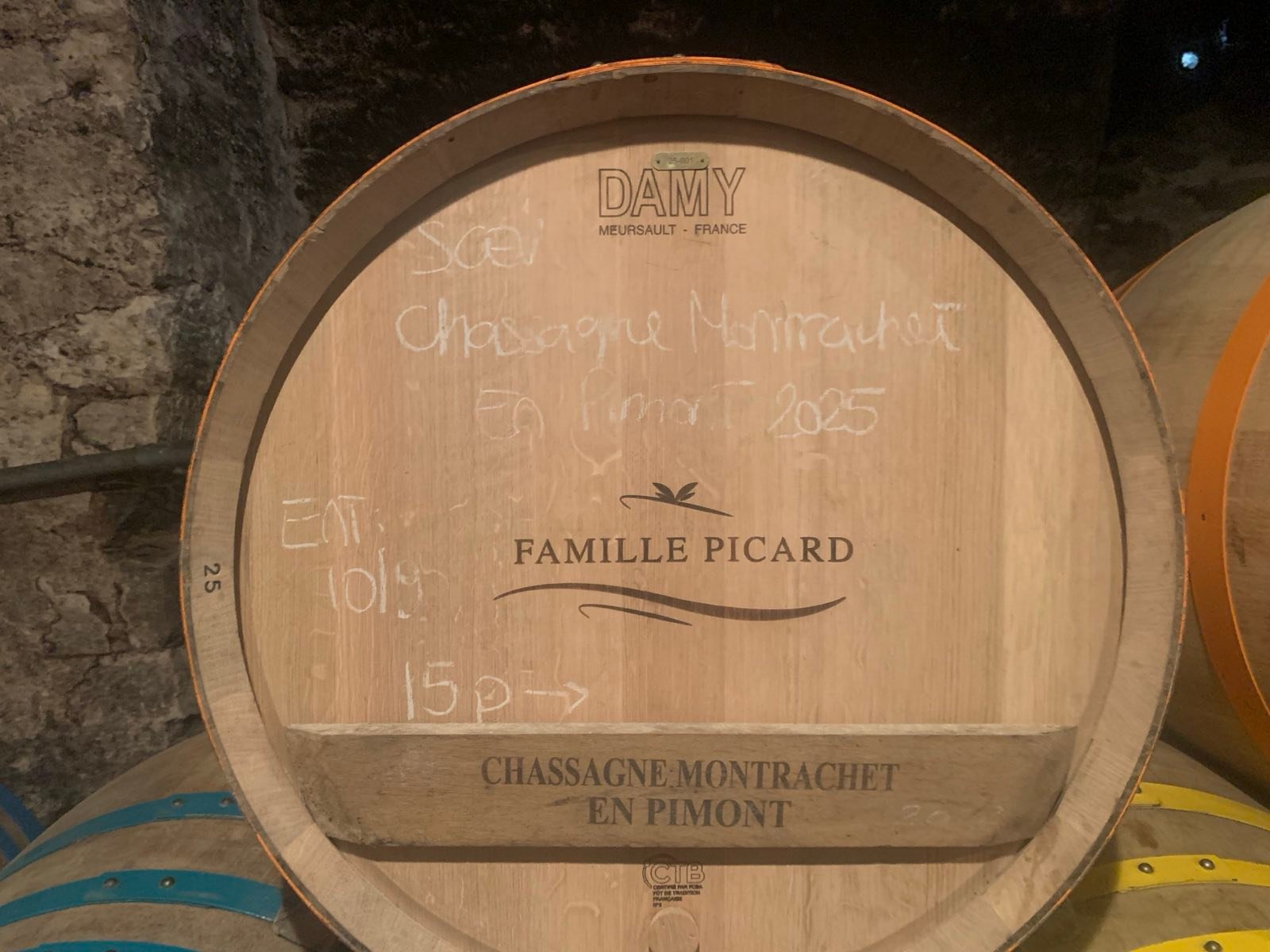
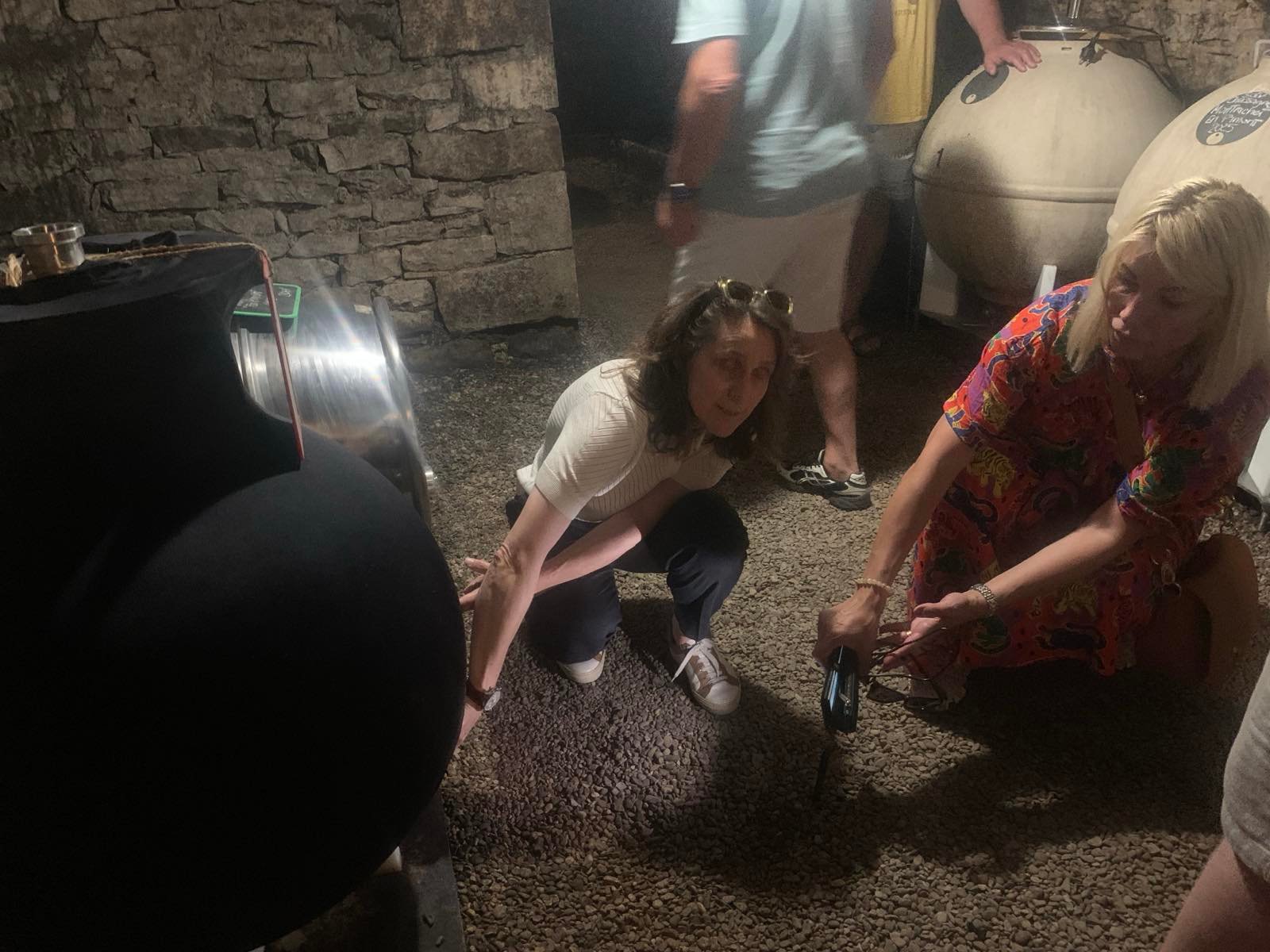
It is no coincidence that French wine publications increasingly describe the Picard estates as a living laboratory for modern sustainable viticulture, where new agronomic practices, climate-adaptation strategies and methods of reducing environmental impact are tested without compromising wine quality. Yet, given the elegance that so naturally characterises both Madame Picard and her wines, I am inclined to think of these wineries not as laboratories but as ateliers, where exceptionally refined wines are crafted like sumptuous velvet gowns once made for royalty, albeit cut to an entirely new and distinctly futuristic design.
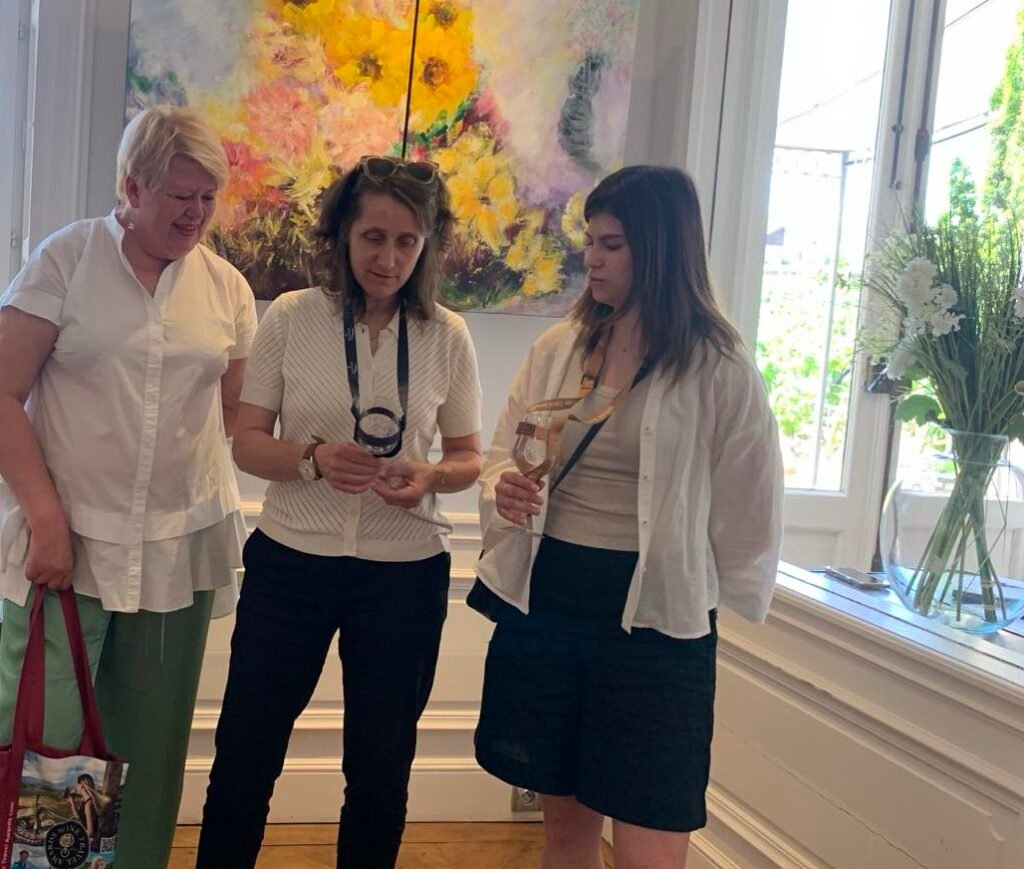
Particularly noteworthy is Francine Picard’s position on organic viticulture. Speaking at Bio Rencontres at Château de Chassagne-Montrachet in the spring of 2026, she articulated an approach that differs markedly from the declarative “green” rhetoric currently in vogue.
Picard does not question the importance of organic farming. On the contrary, she regards it as one of the most important directions for the future development of the wine sector. However, she argues that the transition towards more sustainable agricultural models must be guided by scientific research rather than driven solely by regulatory constraints.
Foto: Famille Picard
Organic viticulture now accounts for almost a quarter of all vineyard land across Burgundy and Franche-Comté. Yet alongside new opportunities come risks linked to legislative changes, climatic challenges, plant protection and the economic viability of wine estates. For this reason, Picard advocates innovation that enables growers to adapt to evolving conditions rather than adding further complexity to their work. In her view, the environmental transition is not a political slogan but a demanding, long-term evolution of the entire industry.
Yet the most compelling aspect of Francine Picard’s story may not be the scale of her estates or even their ambitious sustainability programmes. More important is understanding her relationship with the very idea of progress.
The elegance with which she approaches change is equally evident in another area actively pursued by the Picard group: infrastructure modernisation. The company has announced plans for a new production and logistics hub in Chagny, designed to integrate packaging, labelling and wine storage operations within the group. The project will bring together a number of processes that were previously outsourced to external contractors.
It is no exaggeration to suggest that Francine Picard is helping to shape a new model for the French family-owned wine business. A model in which respect for terroir coexists with innovation; where organic viticulture does not become a marketing slogan; and where scale does not erase the individuality of each domaine.
At a time when many producers feel compelled to choose between tradition and modernity, Picard consistently demonstrates that the two can thrive side by side. Biodynamic vineyards exist alongside sophisticated data-analysis technologies. Centuries-old cellars operate in parallel with contemporary research initiatives. Even the tasting experience itself becomes an interactive experiment.
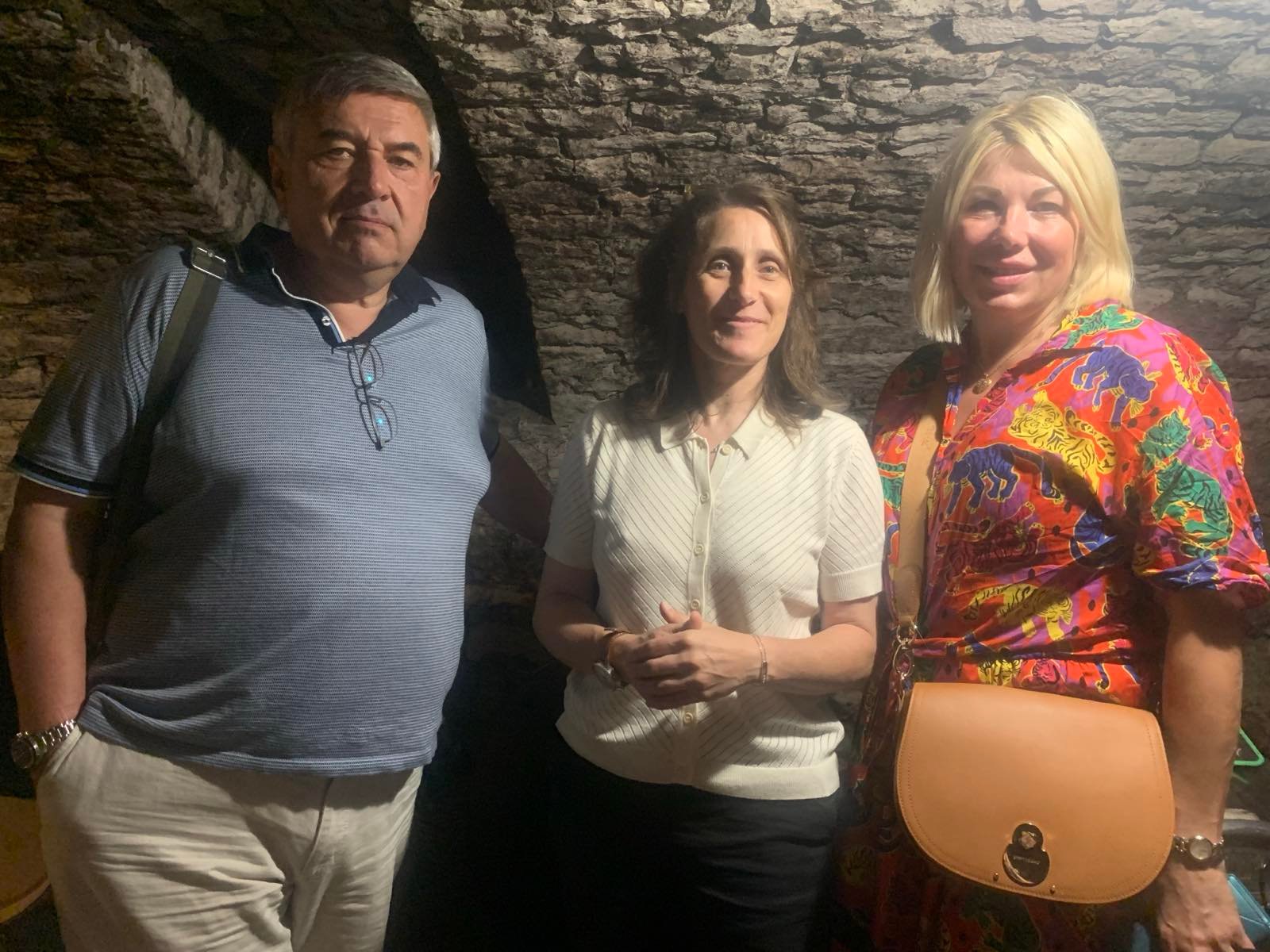
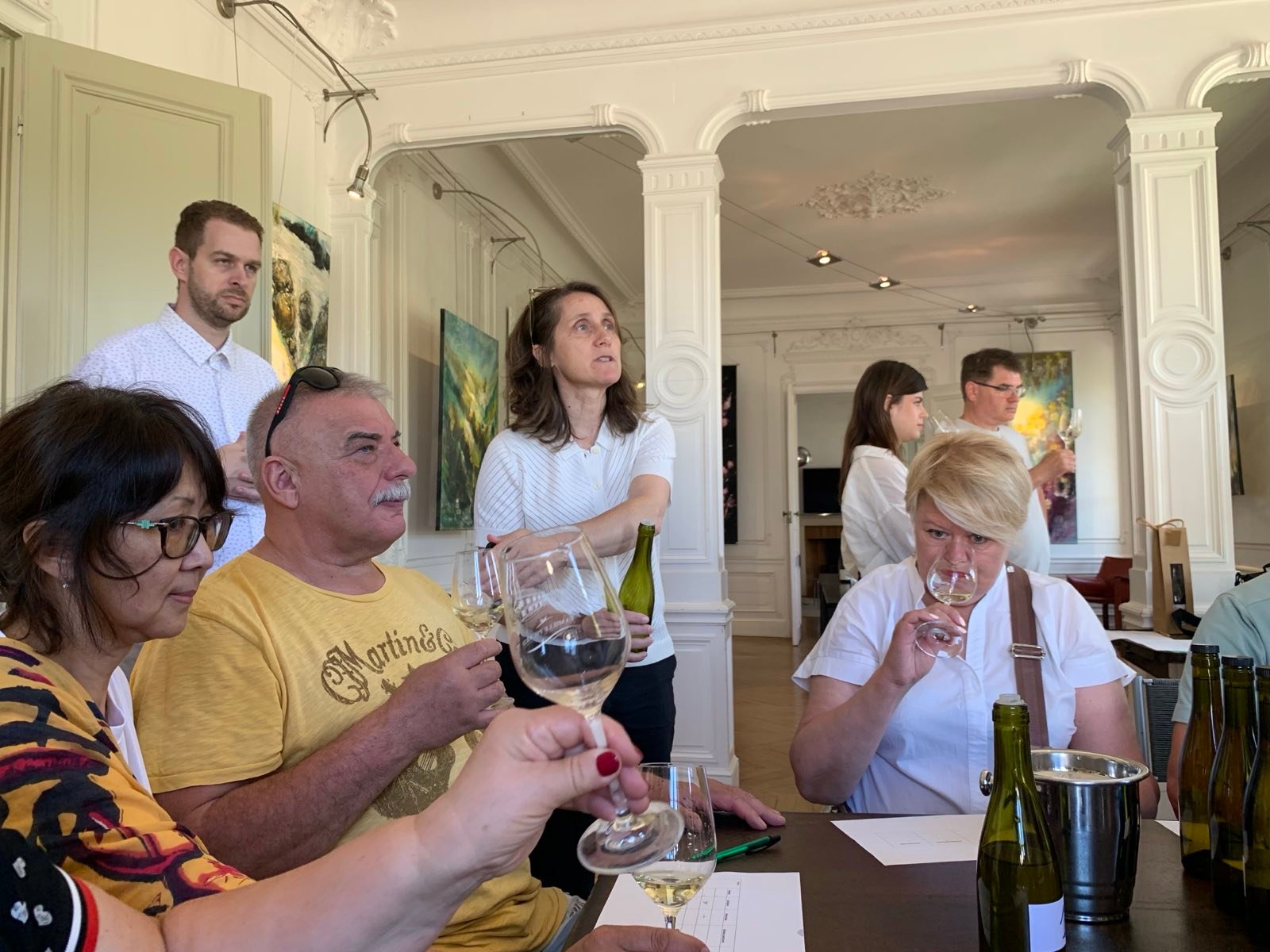
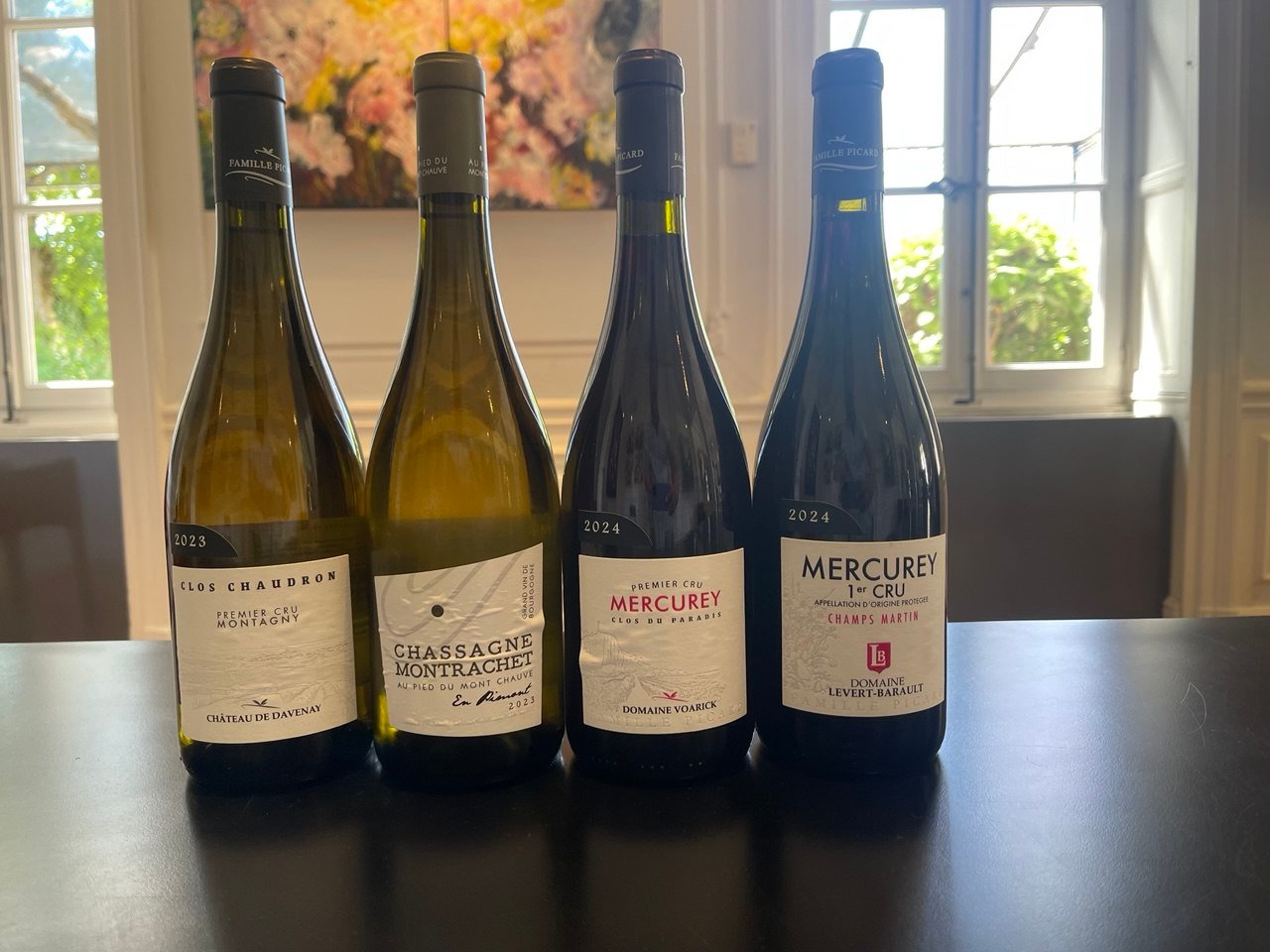
Perhaps that is why the comparative tasting of four different Chardonnay ageing formats remained as vivid in our memory as the wines themselves. It encapsulated, with particular precision, Francine Picard’s philosophy: to question established truths and to seek new answers, even where it might seem that everything has already been discovered.
⇒ Join our social networks ⇒ Optimistic D+ editors will take this as a compliment.
⇒ Every like is taken as a toast!