На сайте используются cookie файлы
The site uses cookie files
Данный сайт имеет возрастное ограничение!
This site has age restrictions!
Я подтверждаю, что мне, увы, уже давно исполнилось 18 лет

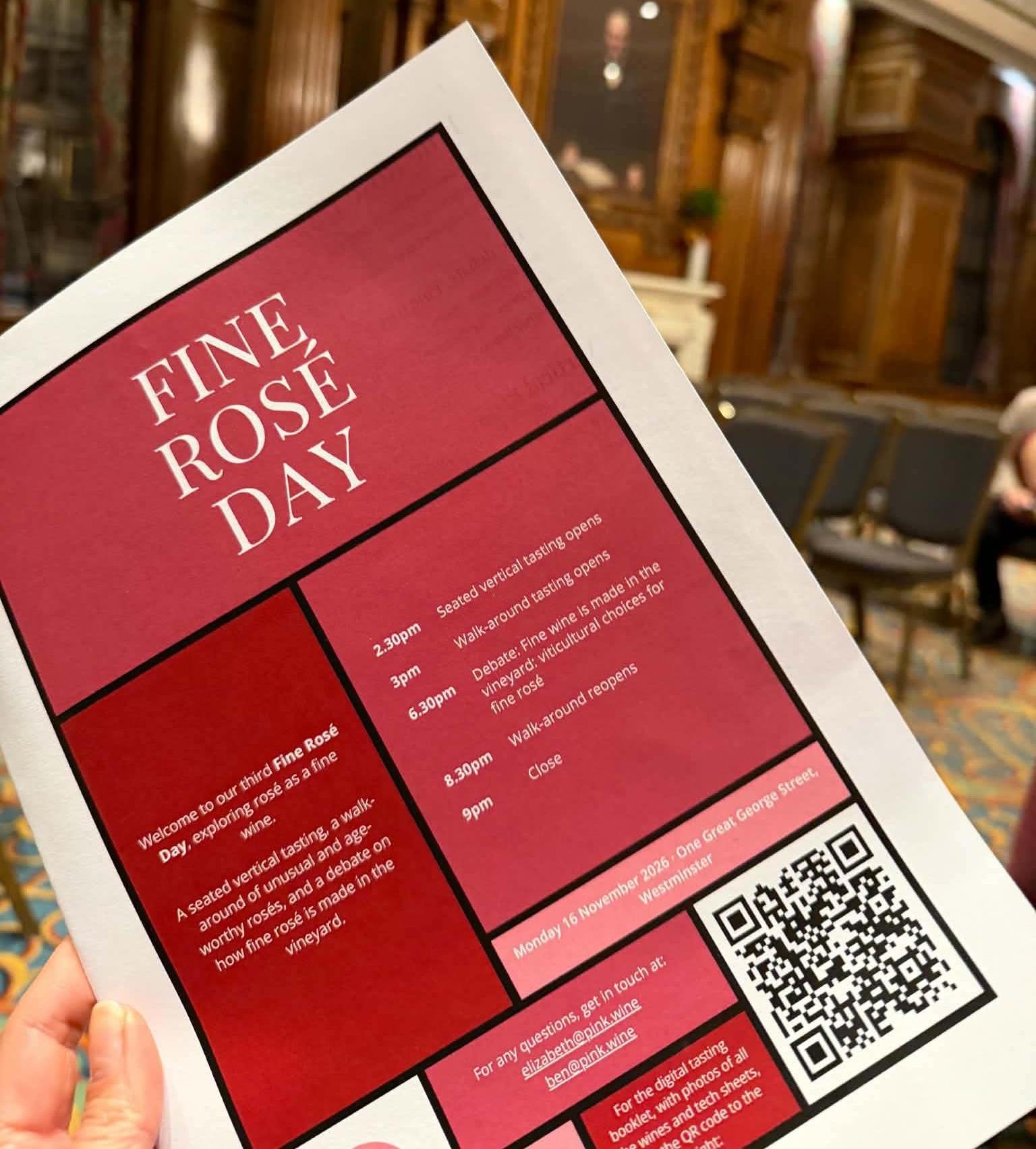
If fine wine begins in the vineyard, why does rosé so often conceal the work, choices and costs behind its quality?
Fine wine is made in the vineyard. That was the proposition put forward at the third Fine Rosé Day in London. Yet by the end of the discussion, moderator Ben Bernheim acknowledged something unexpected: although no one questioned the importance of viticulture, the panel had stopped short of declaring the vineyard the decisive factor in making fine rosé.
The paradox is particularly striking for rosé. Its vineyard origins are increasingly presented as a mark of distinction, yet their contribution remains largely invisible. Vineyard age does not necessarily translate into higher prices for growers; terroir frequently disappears from marketing; and colour, arguably rosé’s most commercially influential characteristic, is substantially determined in the winery.
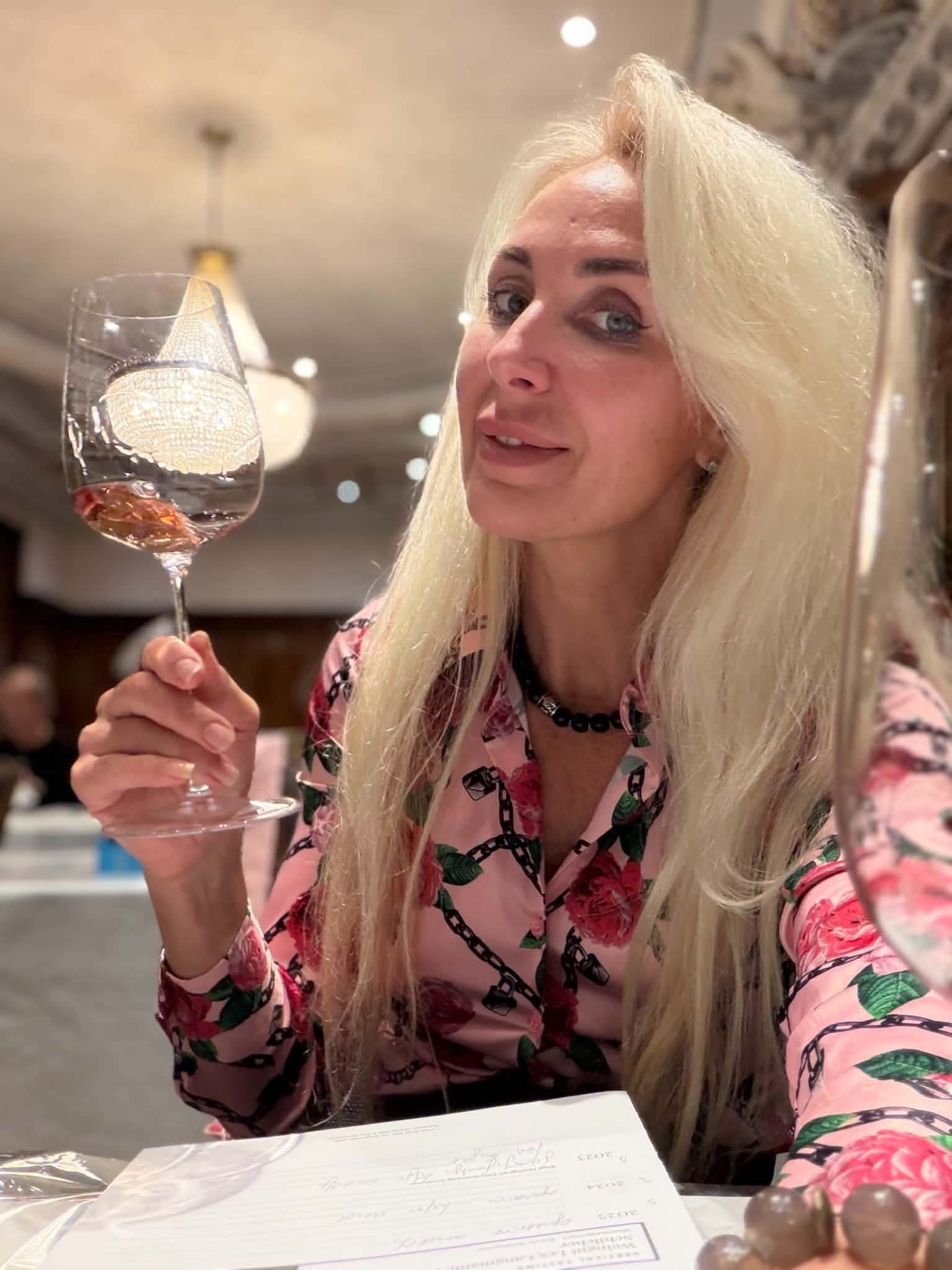


Organised by Elizabeth Gabay MW and Ben Bernheim, Fine Rosé Day had moved beyond the previous year’s discussion of what constitutes fine rosé. This time, the focus was on viticultural decisions. The panel brought together Fergus Elias, head winemaker at Balfour Winery in Kent; Anne Jones, sustainability consultant and representative of the Regenerative Viticulture Foundation; Anna Harris-Noble of The Old Vine Conference; and Dr Akshay Baboo, winemaker and consultant, identified with Plumpton College in the event programme.
Their discussion exposed an uncomfortable contradiction. The wine industry increasingly recognises the vineyard as the foundation of quality, but the commercial mechanisms that communicate and reward its contribution remain far less developed for rosé than for many established categories of fine wine.
Old vineyards offer perhaps the clearest example of this disconnect. Across the fine-wine world, vine age can signal heritage, scarcity, genetic diversity and the potential for complexity, although it does not guarantee quality. Yet maintaining an old vineyard is also an economic decision. Yields may decline, cultivation can become more expensive, and growers must decide whether preserving historic vines provides sufficient financial return.
For rosé, that calculation can be particularly difficult.
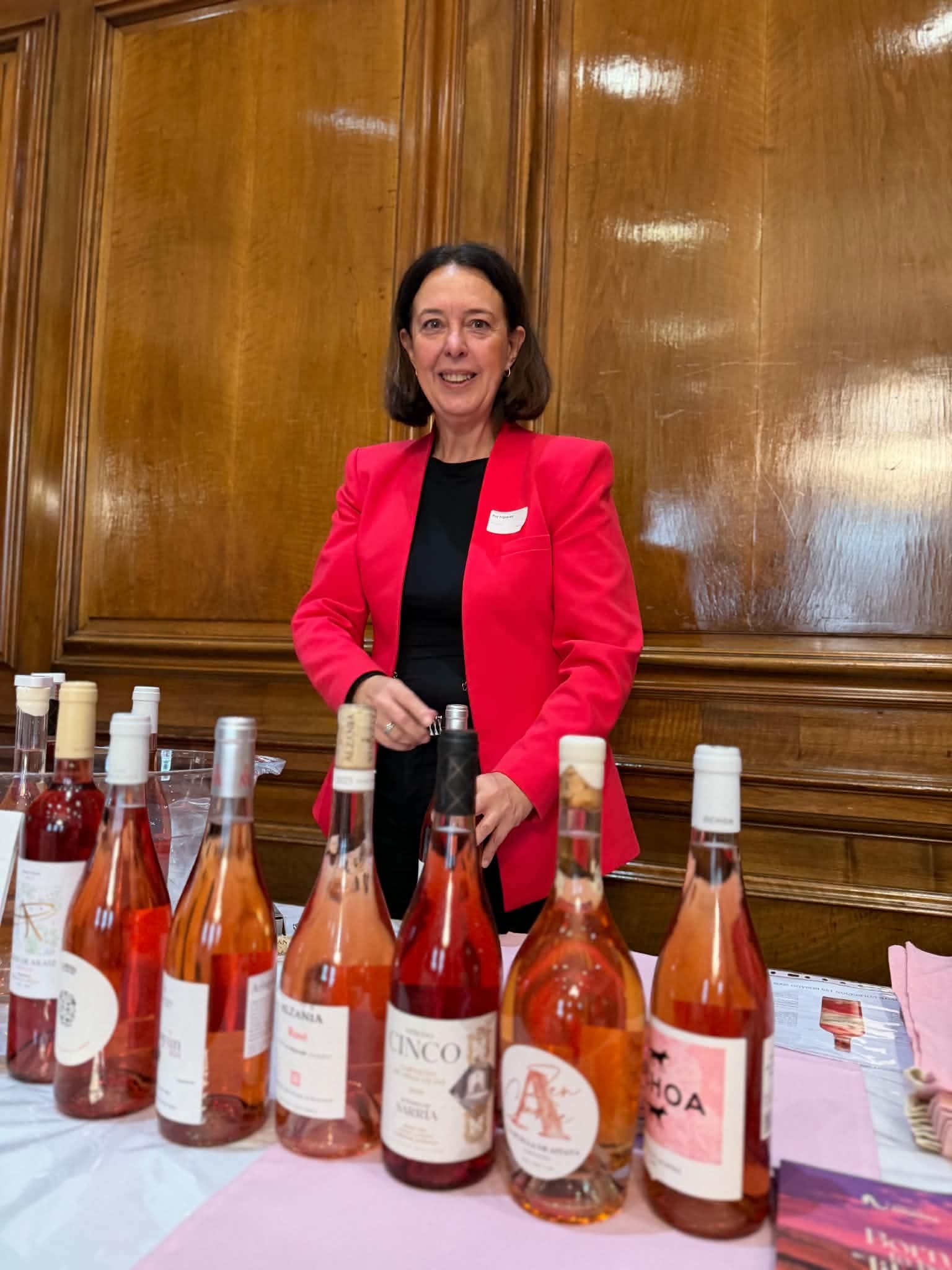
Anna Harris-Noble approached more than 80 growers connected with The Old Vine Conference in search of old-vine rosés for the tasting. She managed to assemble only five. The limited selection did not suggest that old vines were unsuitable for rosé. Rather, it raised a question about why producers would allocate scarce, potentially valuable fruit to a wine that might not command the same price as a prestigious red.
Research from South Africa provides a revealing comparison. A 2020 study by David Priilaid and Jonathan Steyn, published in the International Journal of Wine Business Research, identified a positive relationship between vineyard age and bottled wine prices. The estimated premium amounted to approximately R2.96 for each additional year of vine age.
More recent research by Raphaela van Embden, reported in October 2026, examined 387 old-vine grape transactions between 2019 and 2024, alongside interviews with 25 industry participants. It found that the recognised retail premium associated with vine age did not necessarily translate into higher payments to growers. No measurable premium attributable to vine age was identified in the grape prices examined.
The yield comparison adds another dimension. In a report discussing van Embden’s findings, old vineyards were described as typically producing around four tonnes per hectare, compared with approximately eighteen tonnes for younger vines. These figures are specific to the South African context, but they illustrate a wider economic imbalance: the value celebrated on a bottle may not reach the person responsible for maintaining the vineyard.
An account from Fine Rosé Day brought this problem into sharper focus. Harris-Noble described her unsuccessful attempt to obtain a wine from Viña Elena’s Particiones vineyard in Jumilla, part of the Bruma del Estrecho de Marín range. The historic parcel, planted with Monastrell and Airén vines approximately 50 to 90 years old, had suffered years of drought, exceptionally low yields and damage from rabbits. According to Harris-Noble, the grower had finally decided to grub it up, bringing an end to the wine she had hoped to show.
Harris-Noble drew a direct connection between the loss of the vineyard and the economics of rosé production:
“Unless you can get the end price for the rosé that values all the work that’s gone into it and the low yields that you’re getting, then it’s not a viable product.”
Jumilla’s historic Monastrell and Airén vineyards represent an important part of the region’s viticultural heritage. Their traditional varieties, mixed plantings and adaptation to a demanding climate preserve choices made by earlier generations. Yet heritage alone cannot pay the costs of cultivation.
The South African research and Harris-Noble’s account point towards the same uncomfortable reality: even when old vines create recognised value, that value may not be sufficient – or may not reach the right people – to secure their future.
Not every exceptional rosé needs to come from an old vineyard. Indeed, one of the strongest arguments during the discussion concerned the importance of intention.
Dr Akshay Baboo challenged the assumption that rosé should be treated as an alternative destination for red grapes that have not fulfilled their original purpose.
“A rosé is not an off-brand red.”
The distinction has direct viticultural implications. Producing an ambitious rosé can require different decisions about site selection, grape variety, canopy management, crop load and harvest timing from those involved in making red or white wine.
Baboo offered one of the evening’s most specific technical examples: in a cool climate, approximately two kilograms of grapes for every 400 grams of winter pruning wood could serve as an indication of a balanced vine. The relationship between crop weight and vegetative growth helps determine whether the vine can support the intended yield without compromising ripening. He also described rosé canopy management as occupying a position between the objectives commonly associated with red and white wine production. Depending on the climate and intended style, growers may want to avoid excessive fruit exposure while still achieving sufficient flavour and phenolic development. The timing of leaf removal and the management of shade therefore become important decisions in their own right.
Fergus Elias took the argument one step further. For a new vineyard, decisions about site, variety, clone and rootstock may be made years before the first harvest. As he joked, the production of fine rosé can begin not in the vineyard at all, but in an office with a German vine salesman.
The situation is different in established wine regions, where vineyards were planted long before contemporary ideas of premium rosé emerged.
Harris-Noble described traditional mixed vineyards in Rioja and Ribera del Duero, where red and white grapes were grown and fermented together. In Rioja, she recalled a local joke that the proportion of Viura could reveal which families drank the most wine: more white grapes meant lighter wines and potentially greater quantities to drink.
These traditions complicate the idea that fine rosé must originate from vineyards specifically designed for it. Historical mixed plantings can produce distinctive wines precisely because they reflect different agricultural, cultural and climatic priorities.
Cerasuolo d’Abruzzo offers another example. Its characteristic depth of colour and substantial structure challenge the assumption that rosé should be pale or stylistically close to white wine.
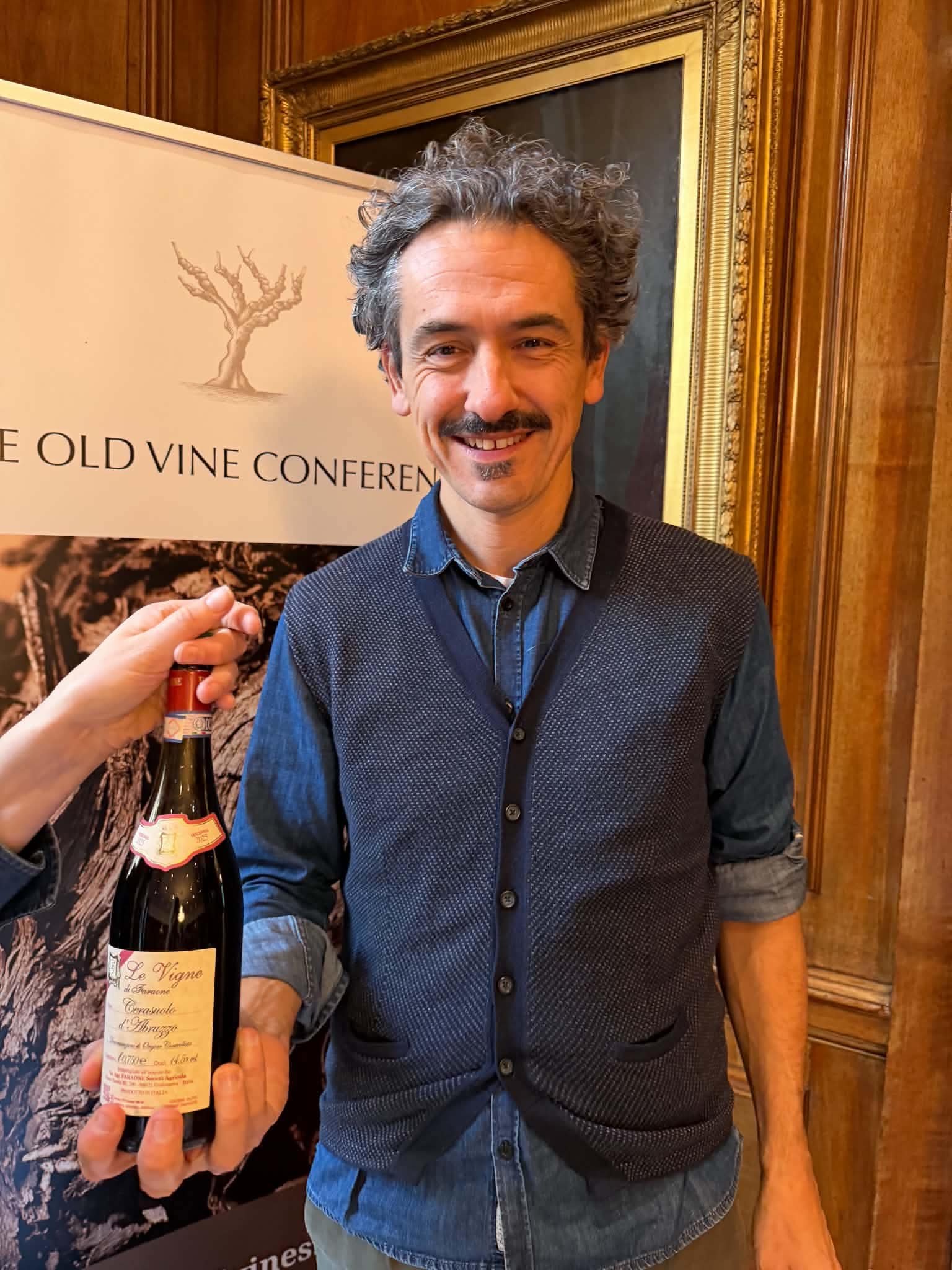
As Harris-Noble explained on behalf of Federico of Faraone, Cerasuolo was historically produced as a by-product of Montepulciano red winemaking, using free-run juice drawn off after approximately 24 hours of maceration. The estate once produced around 4,000 bottles, but growing interest in rosé and lighter red wine styles has encouraged an expansion of production. With its Cerasuolo now sold through Berry Bros. & Rudd in London, Faraone is looking for additional vineyard parcels, particularly older vines, to support its ambitions for the wine.
Another producer, Monty, described a different approach, combining fruit from old and young vines, including a vineyard approximately 70 years old near the sea. Some parcels are harvested earlier and fermented separately before blending, allowing the producer to shape the final wine while preserving the traditional character of Cerasuolo d’Abruzzo.
If fine rosé is intended to express a particular vineyard, how much should its character change from year to year? This question generated one of the evening’s most substantive disagreements.
Elias emphasised the importance of maintaining a recognisable identity for Balfour Brut Rosé, a vintage sparkling wine produced since 2004. Despite differences between growing seasons, consumers should be able to identify the wine’s characteristic style. For him, consistency does not mean eliminating vintage variation, but maintaining a recognisable thread through successive releases.
Baboo initially challenged the way consistency and vintage variation were being presented as opposing concepts. A wine could retain its identity while reflecting the conditions of a particular harvest. Respecting vintage differences, he argued, is fundamental to wine’s character.
But the disagreement became more specific when Baboo distinguished between sparkling and still rosé.
For sparkling wine, he accepted the importance of a consistent house style. Producers have additional tools, including blending and dosage, that can help maintain a recognisable profile across vintages. For still rosé, he was less convinced that the same expectation should apply with equal force.
Elias disagreed.
“I’d say it with stills as well.”
He pointed to Nanette’s English Rosé as an example of a still wine whose identity he wanted consumers to recognise from one vintage to the next. The aim was not to deny differences between growing seasons, but to retain a style associated with the producer.
Anne Jones questioned whether identity necessarily required such a degree of consistency, particularly as increasingly extreme weather makes uniform growing conditions harder to achieve.
The distinction matters because rosé has often been marketed through relatively stable stylistic expectations: familiar colour, freshness and aromatic profile. Yet vintage variation is widely accepted, even celebrated, in many other fine-wine categories.
The debate over consistency and vintage variation had already begun in the tasting room. Before the panel discussion, Fine Rosé Day presented a series of vertical tastings designed to explore two related questions: how rosé reflects the conditions of individual growing seasons, and how its character evolves over time.
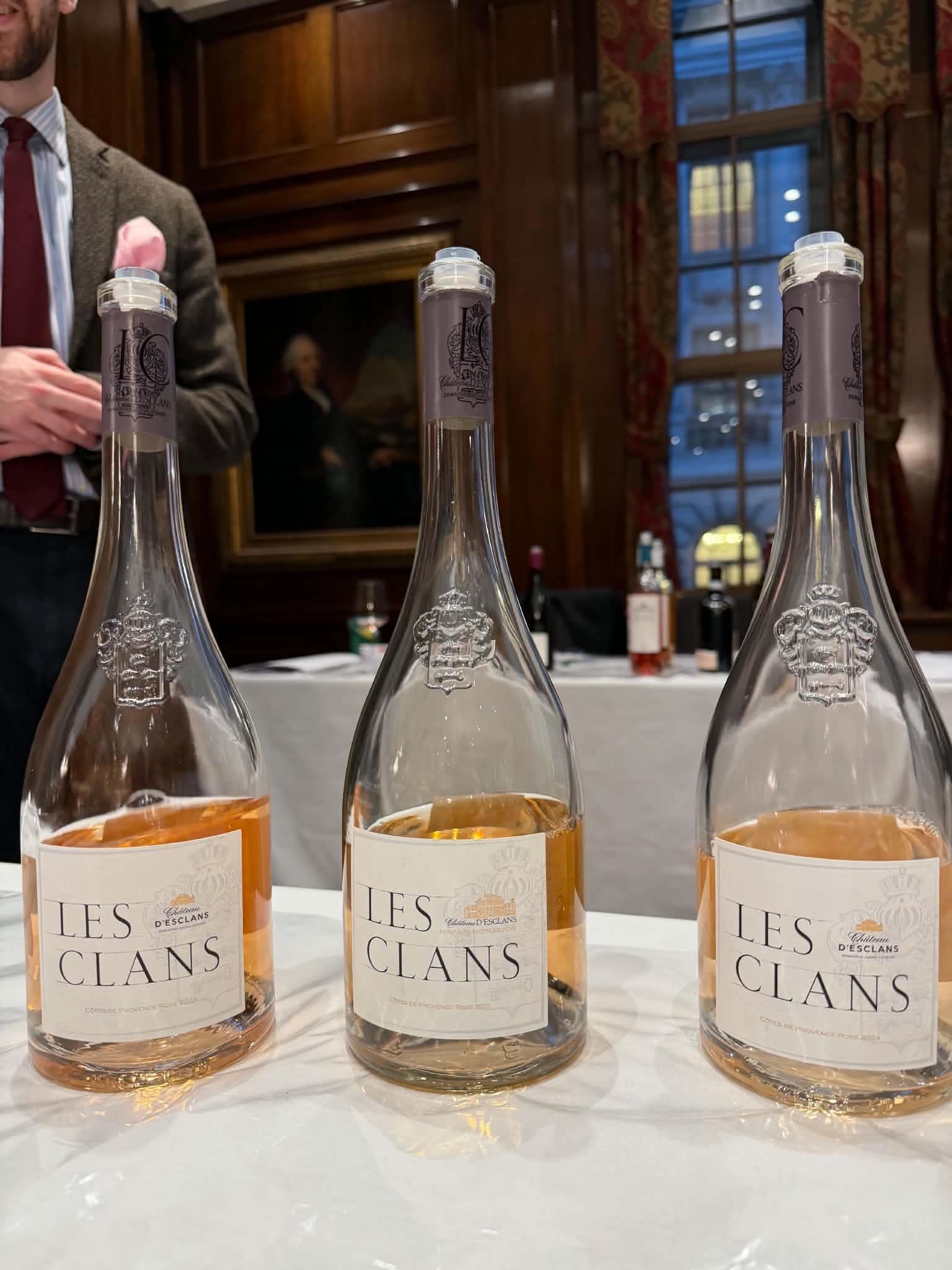
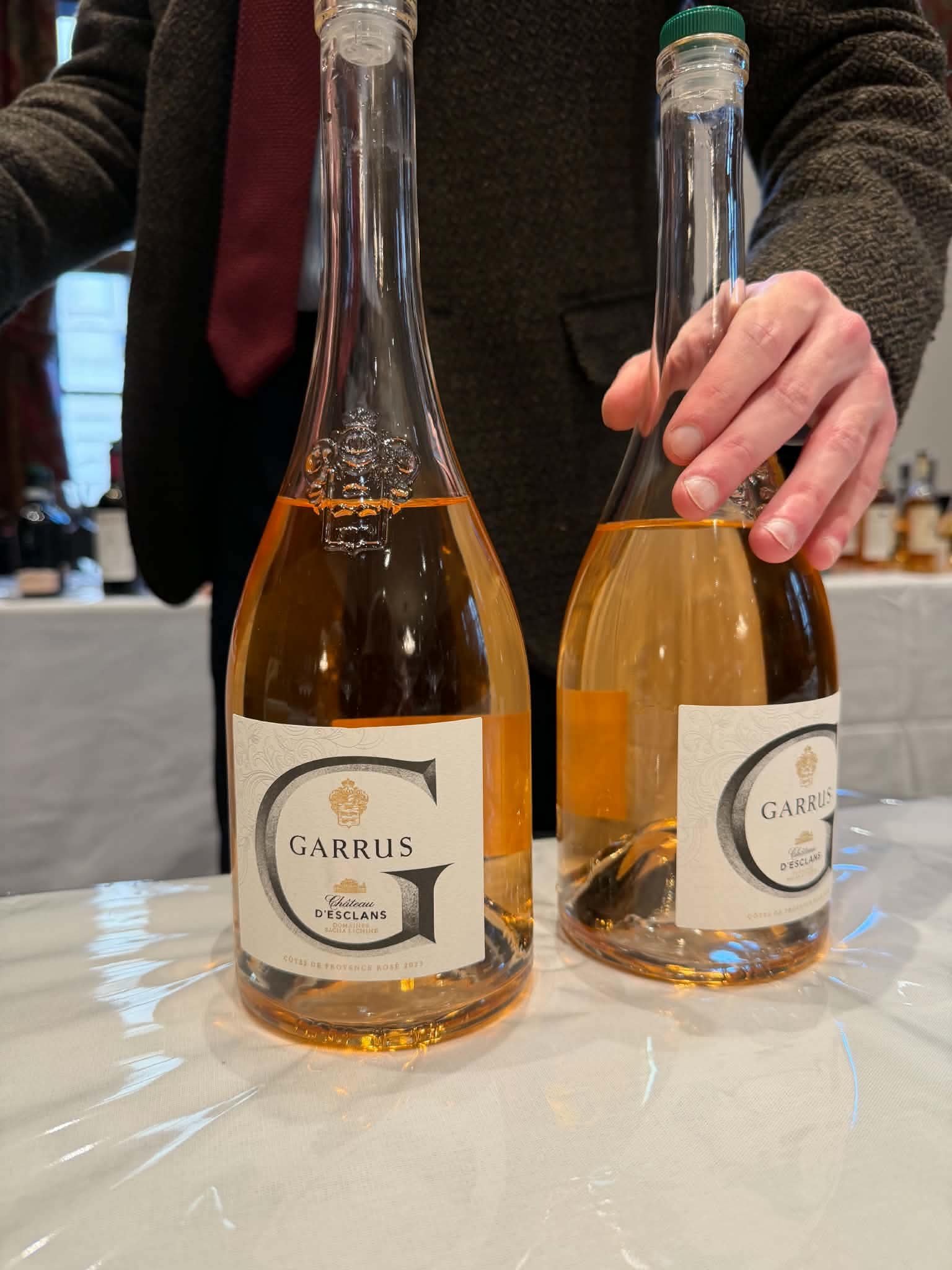
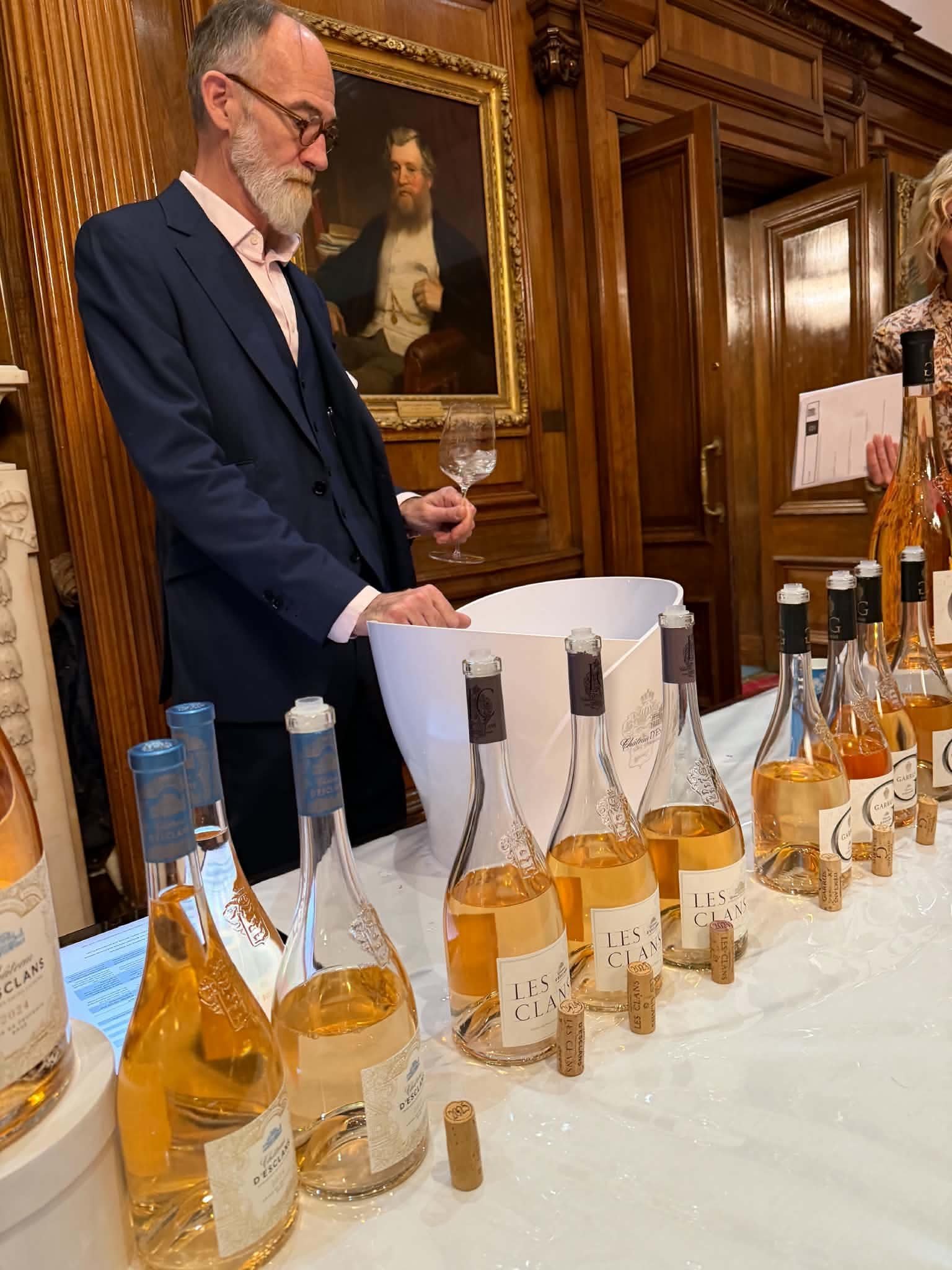
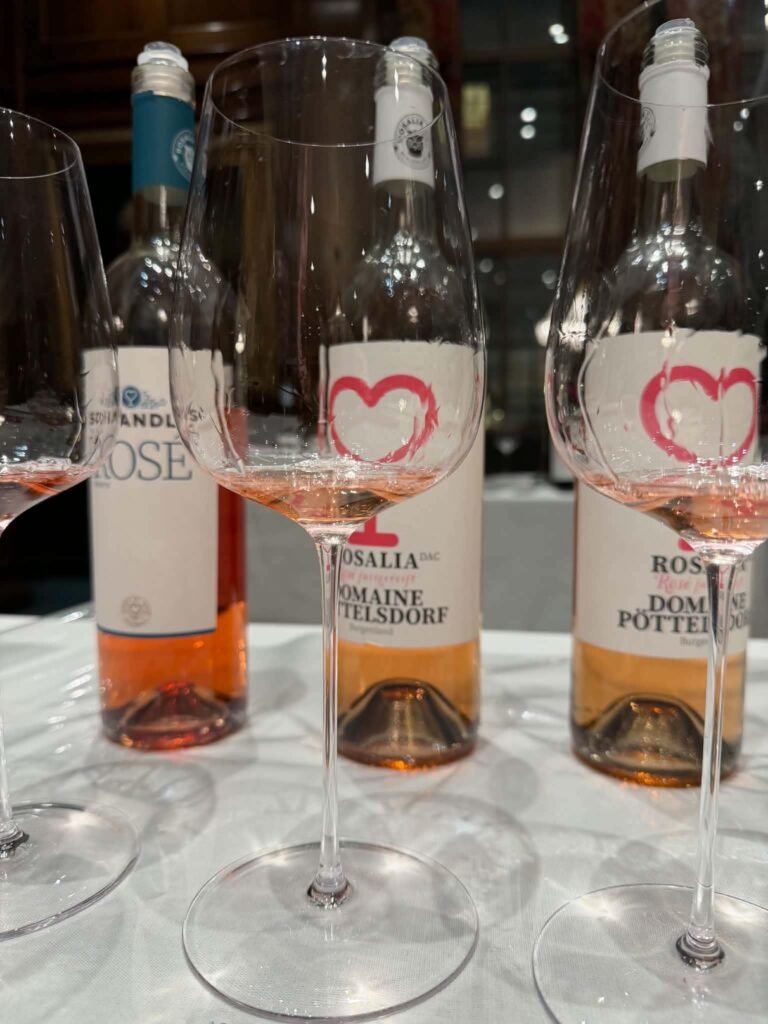
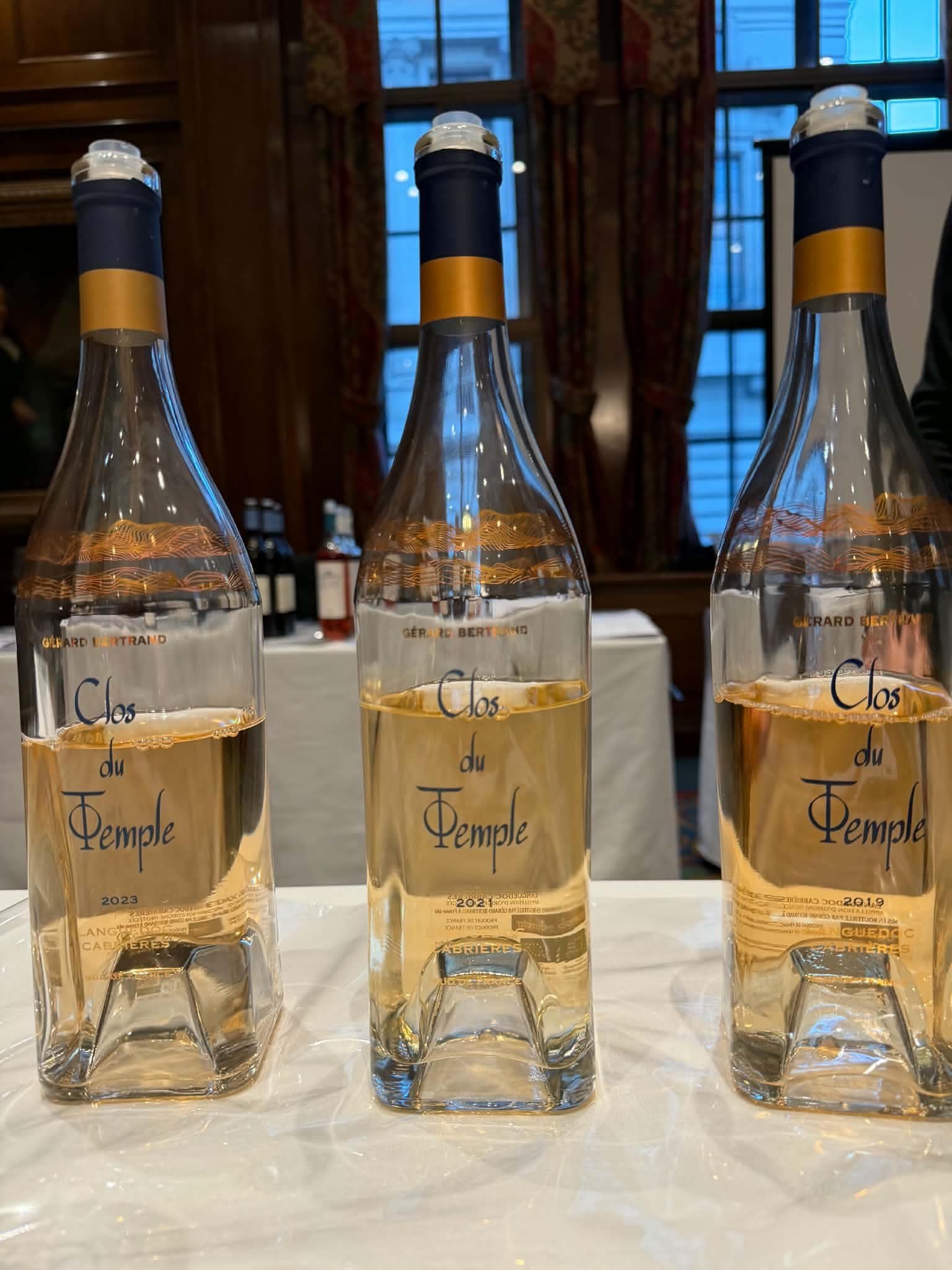
The programme ranged from recent vintages of Gérard Bertrand’s Clos du Temple, Château d’Esclans’ Garrus and Château Galoupet to longer comparisons from Bandol, Rioja, Navarra and Rosé des Riceys. Wines from the Douro, Austria, Abruzzo and England added different climates, varieties and regional traditions to the picture.
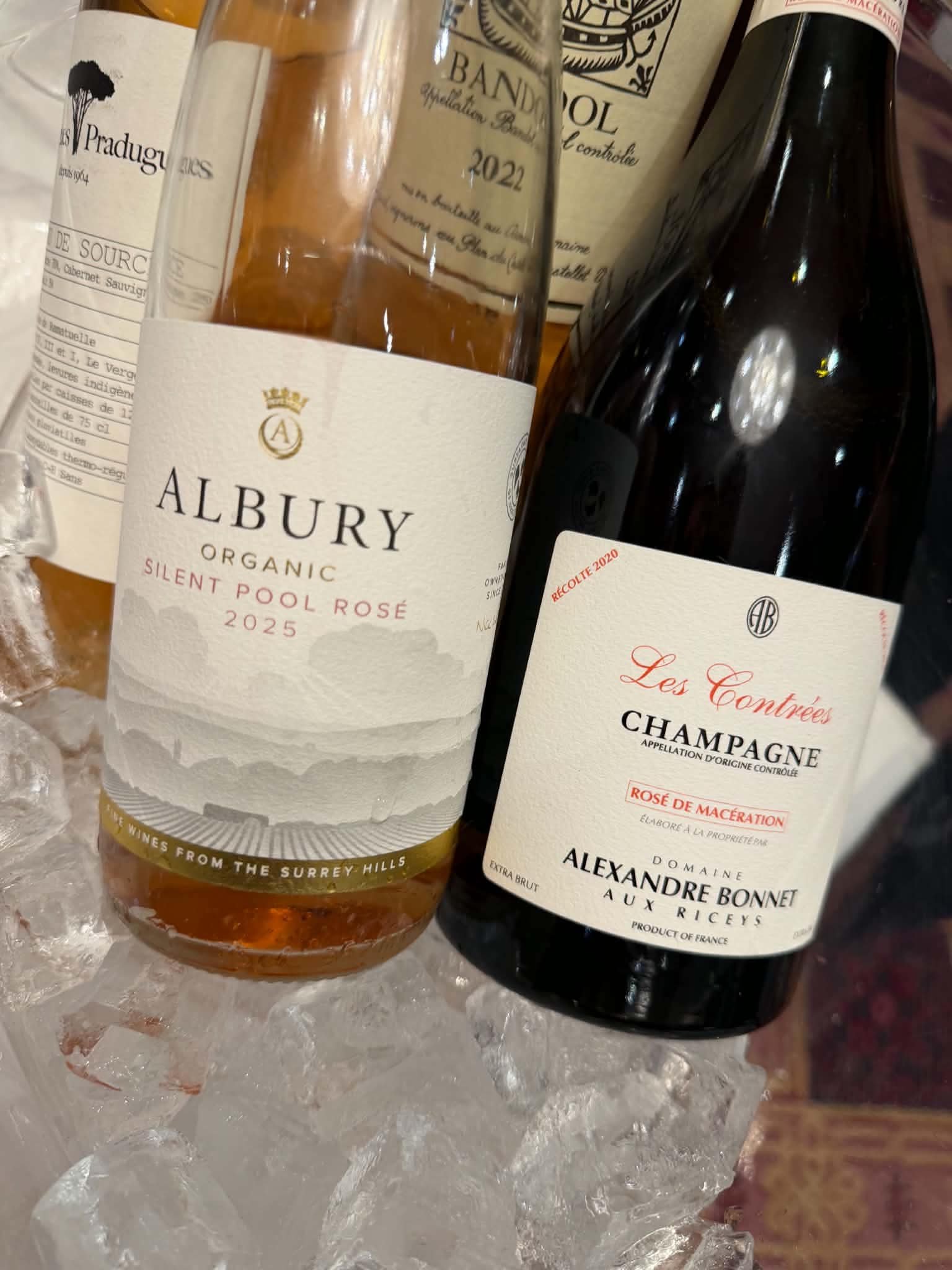
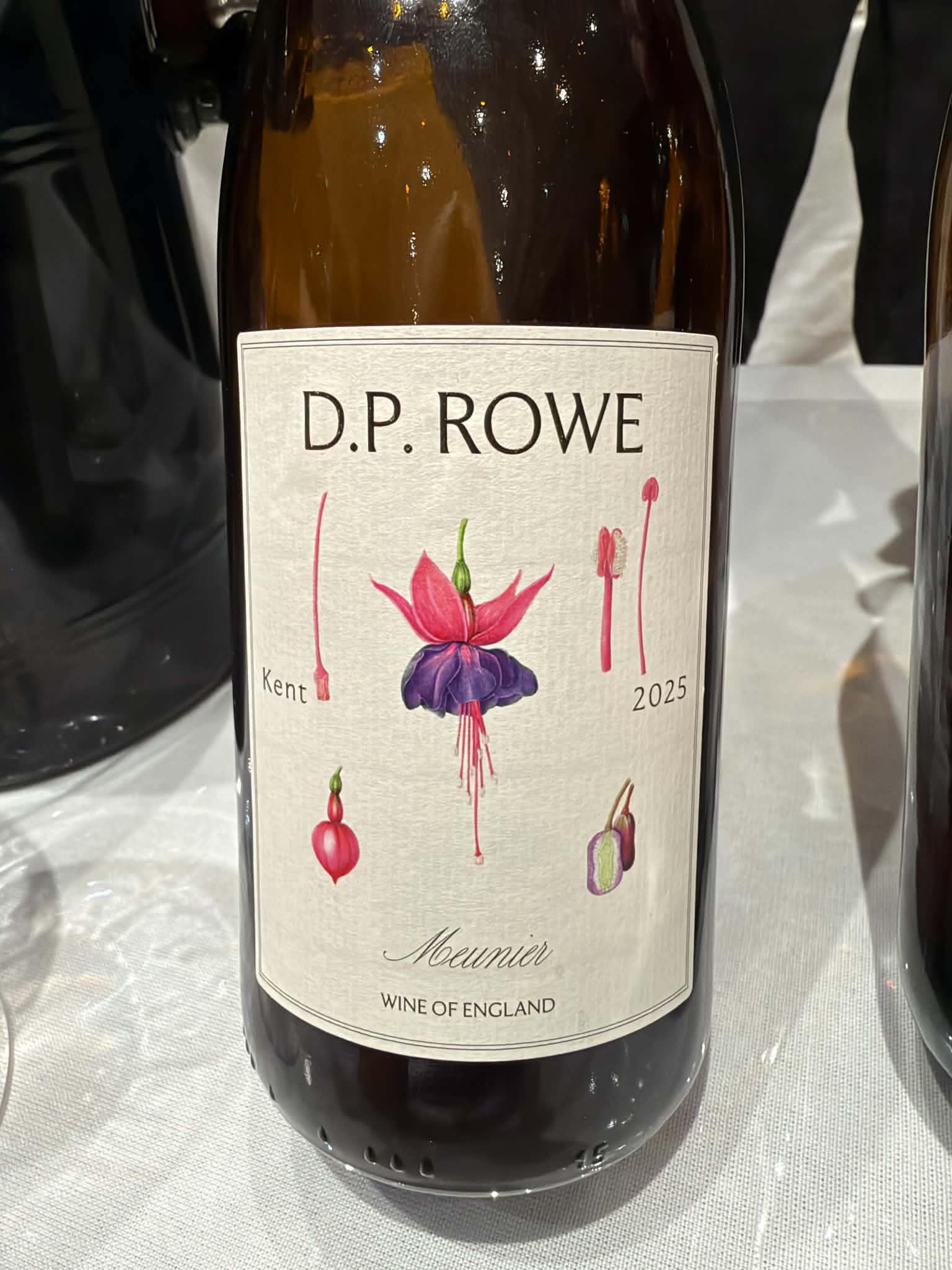
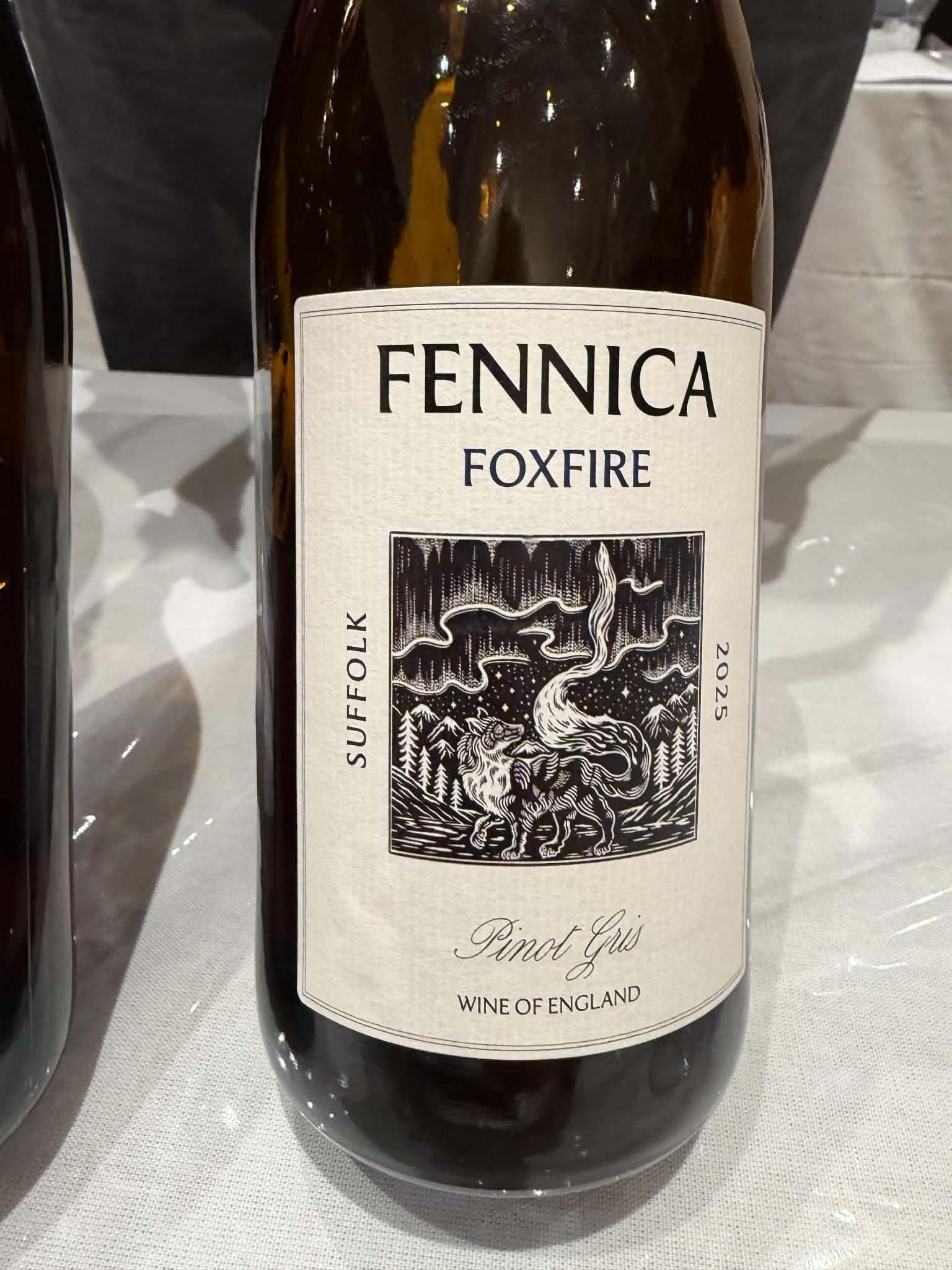
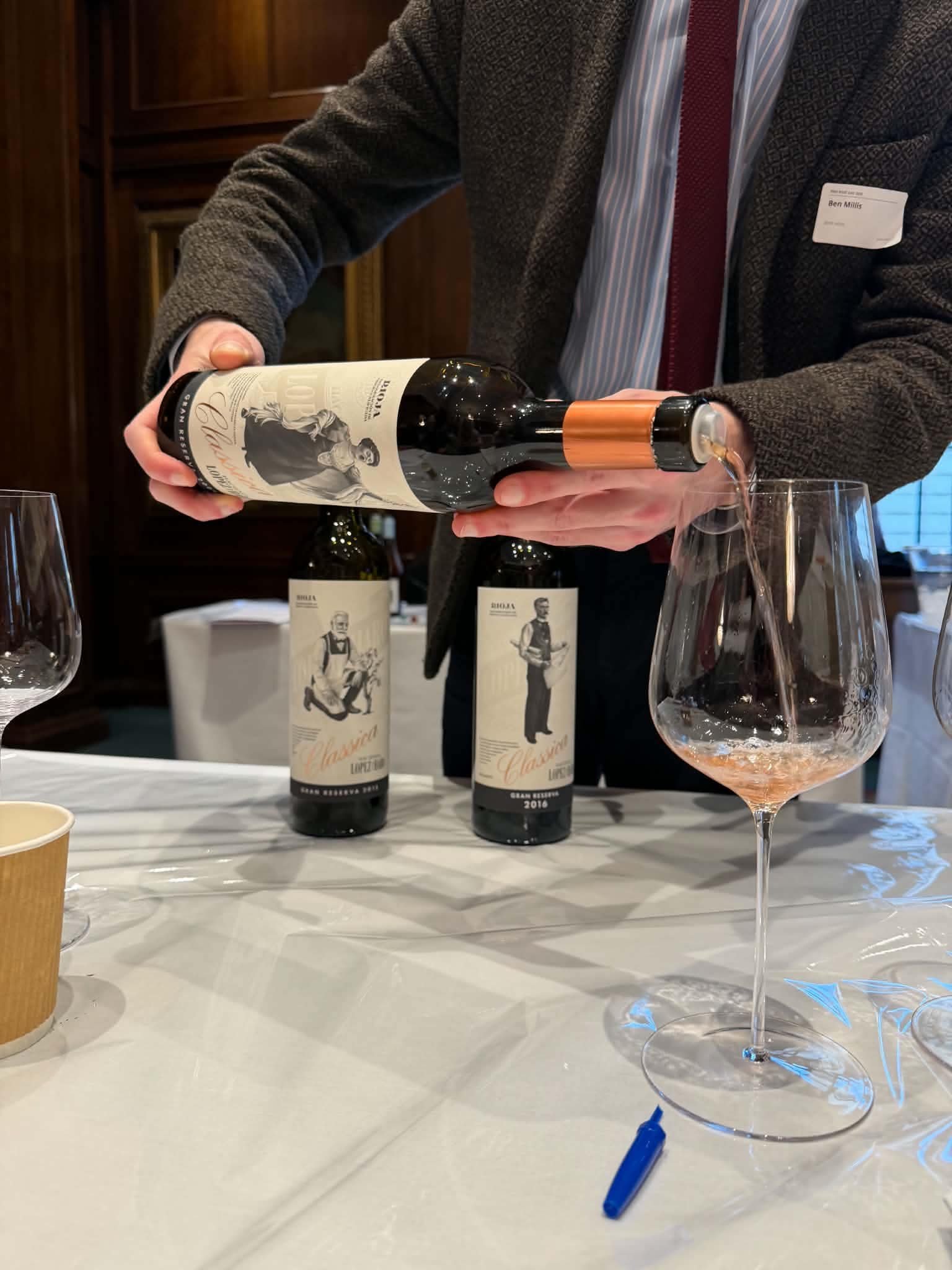
The clearest example of vintage character came from Hacienda López de Haro’s Classica Gran Reserva Rosado. The 2013 appeared fresher and more vibrant than the younger 2016, with greater acidity and more expressive flavours. Rioja’s 2013 harvest was exceptionally late, finishing on 8 November, and the cool, Atlantic-influenced vintage generally produced lighter, more linear wines. The 2016 season followed a different pattern: a dry summer and an early harvest, with riper fruit and higher alcohol levels. The contrast in the glass suggested that vintage conditions had left a stronger impression on freshness than three additional years in bottle. The 2009 showed more advanced development while retaining some delicacy.
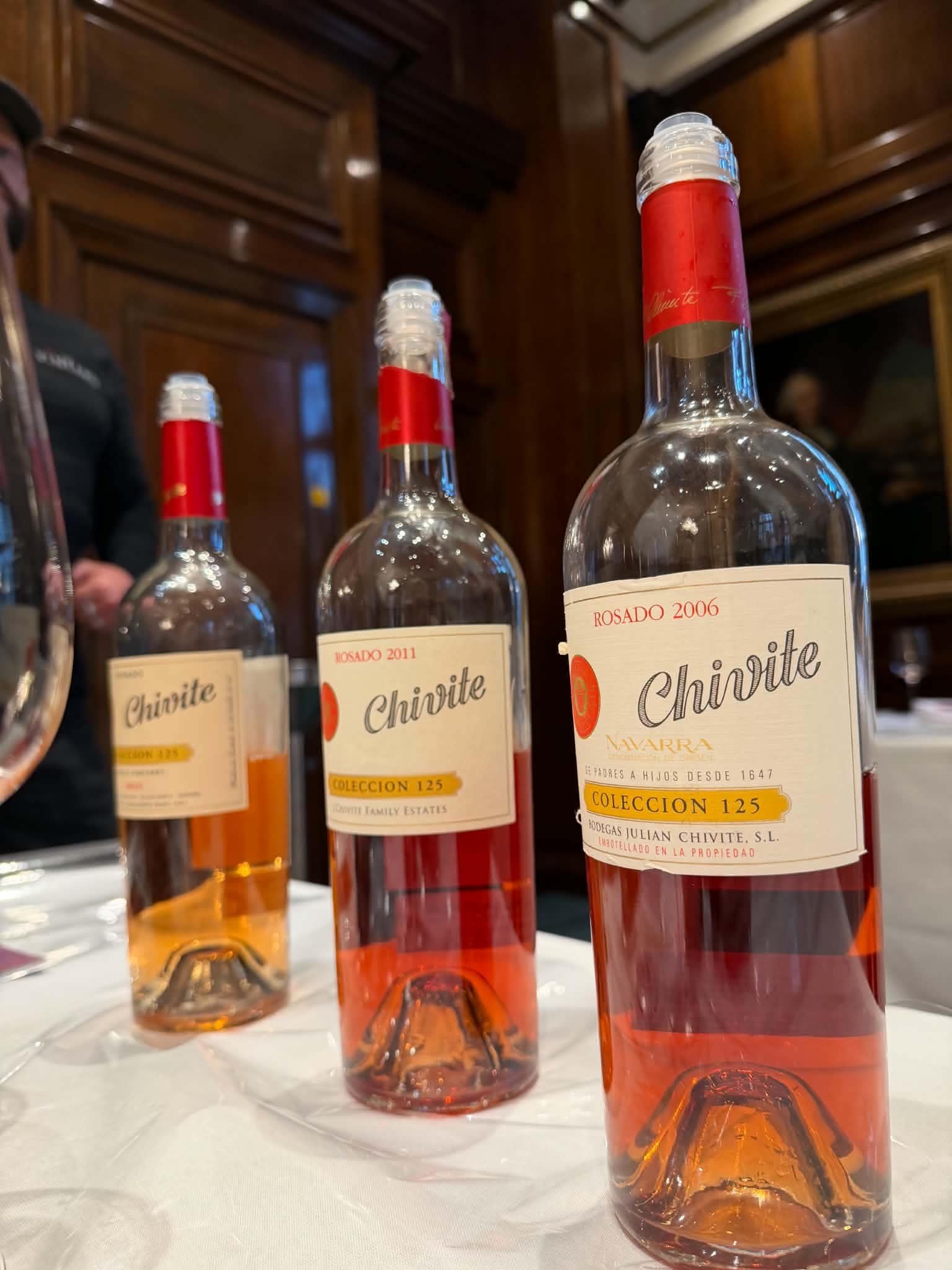
Chivite Colección 125 Gran Vino Rosado provided a longer perspective, with vintages from 2018, 2011 and 2006. The 2011 was a personal highlight of the tasting, while the 2006 showed a noticeably more evolved character.
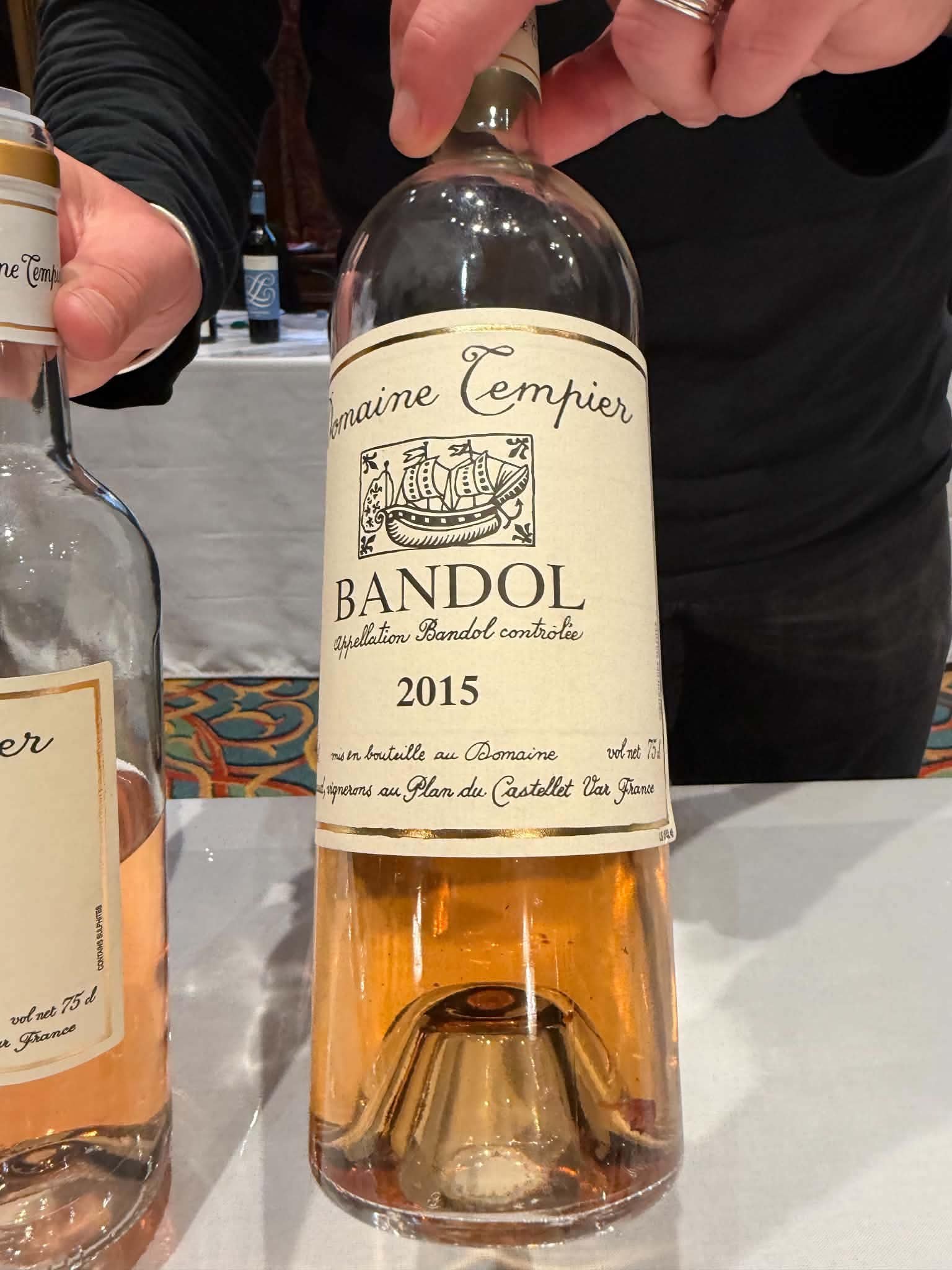
Elsewhere, the line-up showed how wide the category has become. Domaine Tempier’s Bandol Rosé 2022 showed a juicy, balanced character with candied fruit and vanilla notes. Austria’s Schilcher, made from Blauer Wildbacher by Weingut Lex Langmann, represented a distinctive historical regional style, while Vinum Hadrianum’s Cerasuolo d’Abruzzo connected the tasting with the panel’s discussion of Montepulciano and traditional darker rosés.
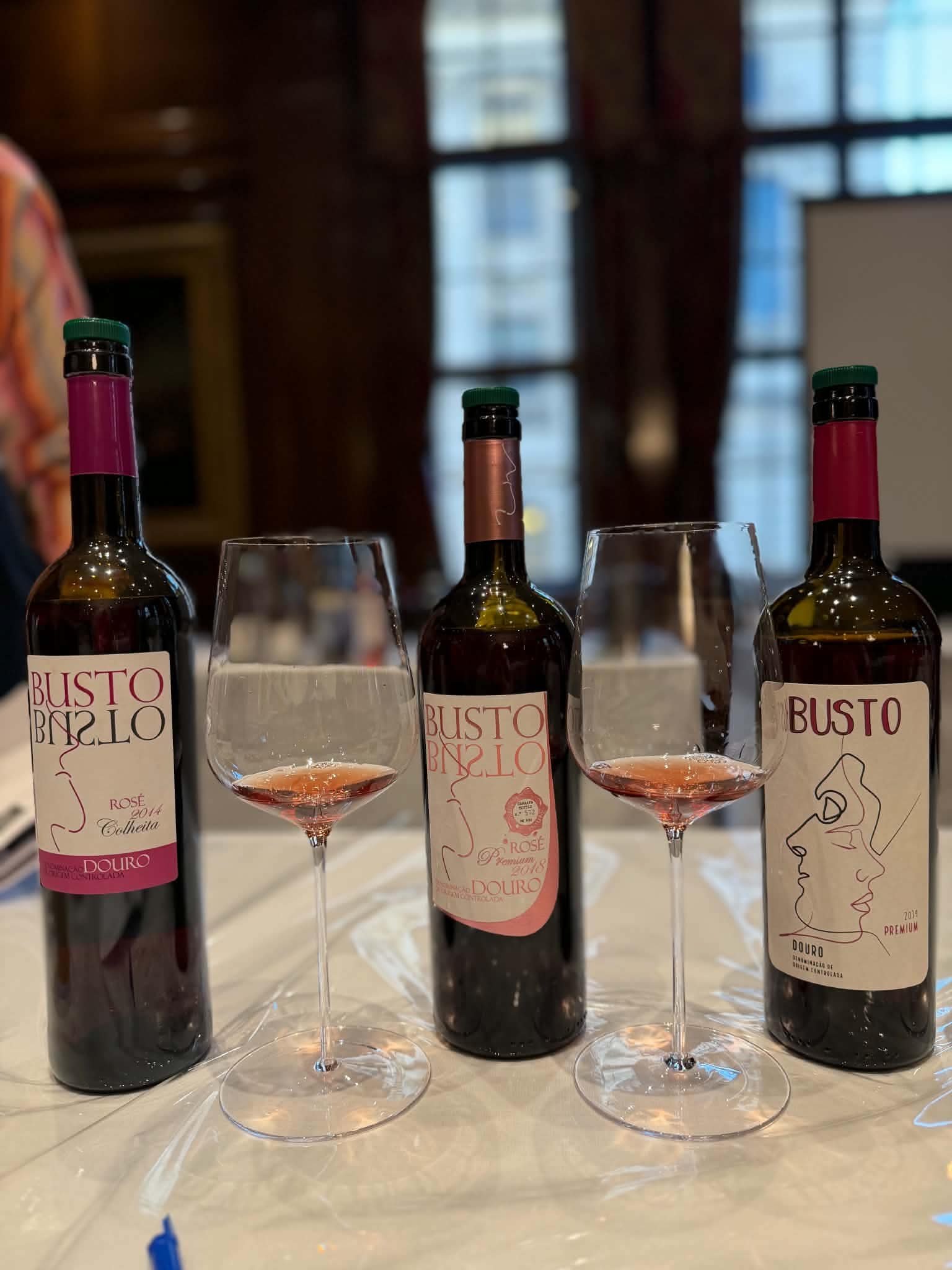
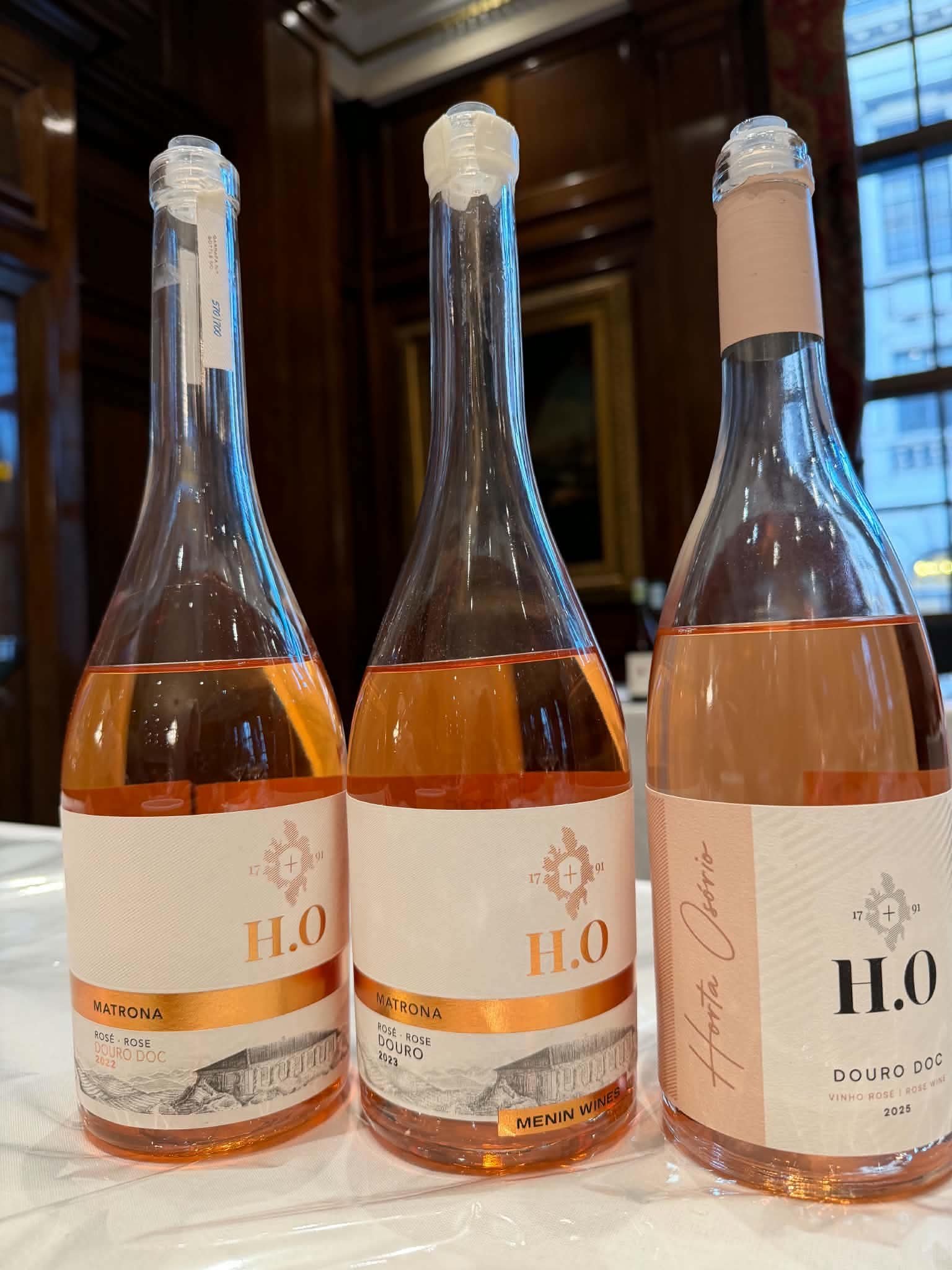
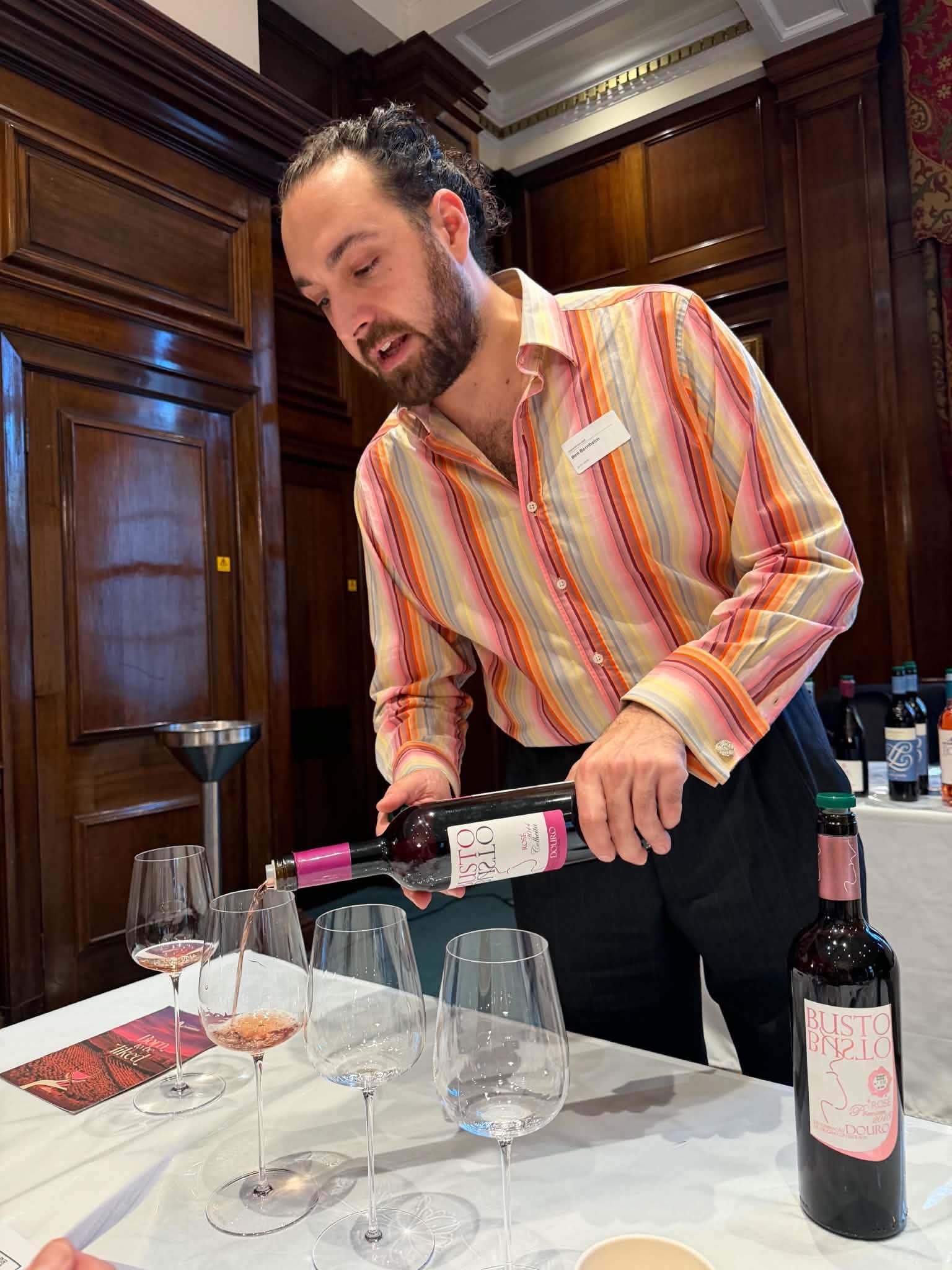
The Douro offered another example of the relationship between vineyard heritage and wine identity. H.O. Matrona Rosé comes from an old-vine field blend in Alvações do Corgo, where red and white varieties grow together at approximately 400 metres above sea level. Like the co-planted Rioja vineyards Harris-Noble described, it shows how historical mixed plantings can provide a different starting point for rosé from vineyards designed around contemporary commercial styles.
López de Haro offered the most useful answer to the panel’s disagreement. Across three vintages, the wine remained recognisably itself – Elias’s point. Yet the growing season appeared to matter more to its freshness than bottle age alone – Baboo’s. For still rosé, consistency and vintage expression may not be alternatives at all.
Climate change adds urgency to these decisions. In many regions, producers must now manage faster sugar accumulation, declining acidity, heat stress and increasingly unpredictable rainfall. For rosé styles built around freshness and moderate alcohol, the relationship between ripeness, acidity and phenolic development can be particularly sensitive.
Anne Jones argued that vineyard health, soil function and ecosystem resilience should be treated as part of the foundation of wine quality. Regenerative practices, including cover crops and improved water management, may offer growers additional tools to moderate vineyard conditions.
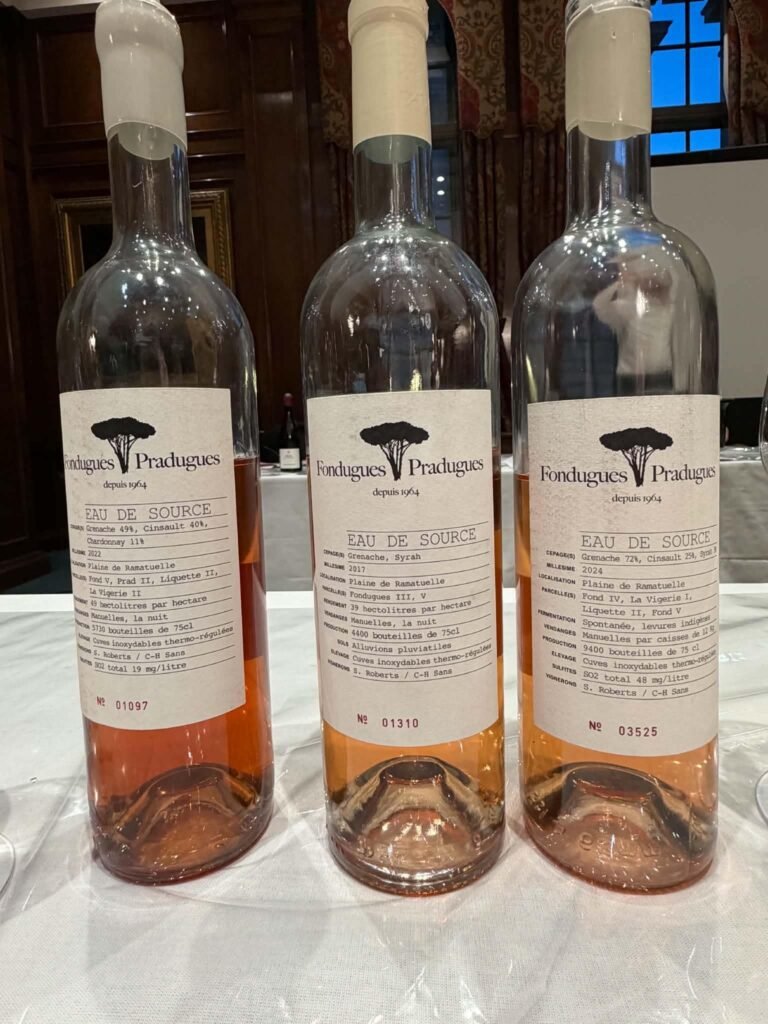
She referred to comparative trials at Perrier-Jouët, Donum Estate, Robert Hall and Hartenberg, where different vineyard-management practices are being evaluated for their effects on soil, vine performance and wine composition.
According to Jones, some trials have shown slightly lower alcohol levels and pH in the resulting wines, with differences in alcohol of no more than approximately half a percentage point. These observations are promising, particularly in warmer climates, although they remain specific to the treatments and sites involved. Cover crops, for example, may help manage soil temperature and water infiltration while also competing with vines for moisture in dry conditions.
Water management featured prominently in the discussion. Regenerative hydrology, as Jones explained, concerns the movement and retention of water across a vineyard: how rainfall can be absorbed, how erosion can be limited and how soil can retain moisture for periods when vines need it most.
The question is becoming increasingly important as growers face both prolonged drought and intense rainfall. But the benefits of individual practices must be evaluated against local conditions rather than treated as universal solutions.
The discussion returned to this tension when Jones raised the possibility of using disease-resistant PIWI varieties in rosé blends.
She proposed a scenario in which introducing a relatively small proportion of PIWI plantings — perhaps 10% or 20% of a vineyard, contributing around 10% of a blend — might allow a producer to reduce chemical inputs significantly, potentially by 30%. The figures were presented as an illustrative proposition, not as a measured result applicable to every vineyard.
Elias acknowledged the potential benefits but questioned whether the resulting wine would necessarily be better.
“You’ve got to be hedonistic when you’re making fine wines.”
For Elias, environmental improvements could not compensate for a wine that failed to meet consumer expectations. If the product did not deliver sufficient quality and pleasure, the venture risked becoming, in his words, a “vanity project” rather than something of genuine value to the industry.
Jones returned to the premise of the entire panel:
“Doesn’t it start in the vineyard?”
Elias’s response was immediate:
“Yes, but it still has to taste nice!”
Perhaps no characteristic illustrates the tension between viticulture and commercial expectations more clearly than colour.
The pale pink associated with Provence has become one of the wine industry’s most successful visual identities. It communicates freshness, elegance and lifestyle, helping establish rosé as a commercially powerful international category.
According to figures from the Conseil Interprofessionnel des Vins de Provence, exports accounted for 42% of Provence rosé sales in 2025, with an export value of approximately €328.7 million. The region has demonstrated that rosé can achieve substantial international recognition and premium positioning.
Yet colour remains an unreliable indicator of wine quality.
Both Elias and Baboo agreed that, while grape variety, ripeness and vineyard conditions influence colour potential, the final shade is largely determined through winemaking decisions, particularly pressing and extraction.
This creates an unusual situation for a discussion centred on viticulture: one of the most commercially influential characteristics of rosé is substantially controlled after the grapes have left the vineyard.
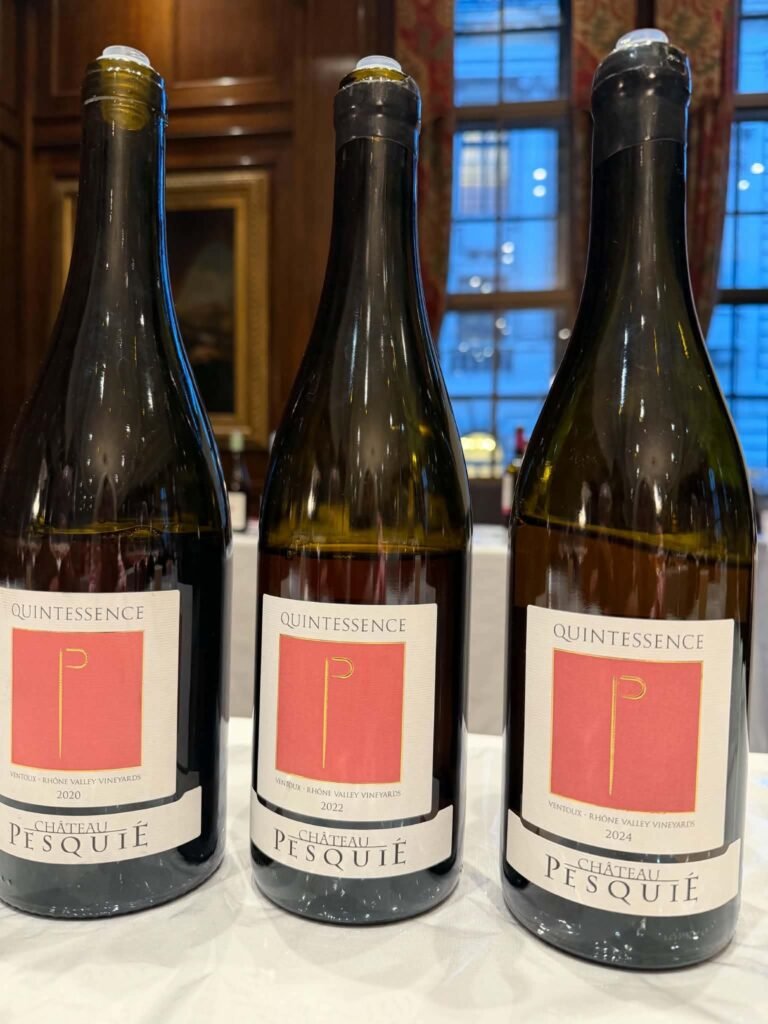
Historical styles such as Tavel and Cerasuolo d’Abruzzo demonstrate that deeper colour can be central to regional identity rather than evidence of lower quality. Their character reflects particular varieties, traditions and approaches to production that differ considerably from the dominant pale-rosé aesthetic.
The panel also explored how colour influences purchasing decisions. One producer described deliberately using dark bottles to avoid having the wine judged by its appearance before tasting. Baboo observed that a significant proportion of the wines presented at the event were already packaged in green or darker glass.
Jones raised a deceptively simple question:
“Is fine rosé ever bought off the shelf?”
The answer depends on the customer and the context. In a restaurant, a bottle may be ordered from a wine list without the buyer seeing its colour. On a supermarket shelf, however, the appearance of rosé can be among the first characteristics influencing a purchasing decision.
Richard Bampfield MW, contributing from the audience, challenged the idea that geographical pedigree should determine whether a wine deserves to be considered fine. In a blind tasting, why should a balanced, expressive rosé from an unfamiliar Egyptian vineyard be valued less than a disappointing example from a prestigious region in southern France?
His argument extended beyond appellation reputation. The diversity of rosé styles represented at the tasting was itself a reason for optimism. Rather than converging on a single model of fine rosé, the category could gain strength from its range of expressions.
This raises a further question: if neither colour nor prestigious origin guarantees quality, how can consumers recognise what makes an individual rosé exceptional?
One of the most revealing moments of the evening came from Elizabeth Gabay.
She asked why producers so readily describe the terroir behind their red and white wines while offering comparatively little information about the vineyards responsible for their rosés. How many people attending the tasting had actually been told about the terroir of the wines they had sampled?
Only two people raised their hands.
For a category seeking greater recognition as fine wine, the observation is significant.
Vineyard altitude, exposure, soil characteristics, vine age and site specificity are established components of the language used to explain the value of fine red and white wines. Yet rosé is frequently communicated through appearance, fruit character and drinking occasion.
That approach has been commercially successful, but it creates difficulties for producers hoping to establish a more distinctive identity.
If a wine comes from a carefully selected vineyard, or from old vines preserved despite declining yields, the vineyard’s contribution deserves to be understood. The same applies to farming practices intended to improve resilience or to historically important varieties that give a wine its character.
Terroir storytelling cannot replace quality. But when such information is absent, consumers have fewer ways to distinguish one rosé from another beyond colour, packaging, producer reputation and price.
The contrast with other fine-wine categories is striking. Consumers are encouraged to understand why one Burgundy vineyard commands a premium over another, why a particular slope in the Rhône matters or why old vines in Rioja are worth preserving. Equivalent distinctions may exist in rosé, but they are far less consistently communicated.
The vineyard may be essential to the wine’s character while remaining almost invisible in the way that wine is presented.
The vertical tasting offered a perspective that the debate alone could not: rosé can be discussed through the same questions of vintage, evolution, structure and origin that have long shaped our understanding of fine red and white wines. But the ability to age is only one expression of quality, not a prerequisite for greatness.
The discussion at Fine Rosé Day revealed something more fundamental. There is no single vineyard formula for fine rosé. Old vines, carefully selected sites, regenerative practices and deliberate canopy management can all contribute to quality, but none guarantees it. Nor can the role of the winemaker be separated from the character of the vineyard.
What remains less developed is the recognition of that contribution. Consumers may pay a premium for fine rosé without knowing much about its origins. Producers may invest in exceptional vineyards without communicating what makes them distinctive. And growers may preserve valuable old vines without receiving sufficient financial reward.
Perhaps the next stage in the evolution of fine rosé is not about proving that it can be a serious wine. The vertical tasting has already made a compelling case for taking that possibility seriously.
The real challenge is to make the vineyard behind the wine as valued as the wine itself.
⇒ Join our social networks
⇒ Optimistic D+ editors will take this as a compliment.
⇒ Every like is taken as a toast!
21.11.2026
30.10.2026