На сайте используются cookie файлы
The site uses cookie files
Данный сайт имеет возрастное ограничение!
This site has age restrictions!
Я подтверждаю, что мне, увы, уже давно исполнилось 18 лет

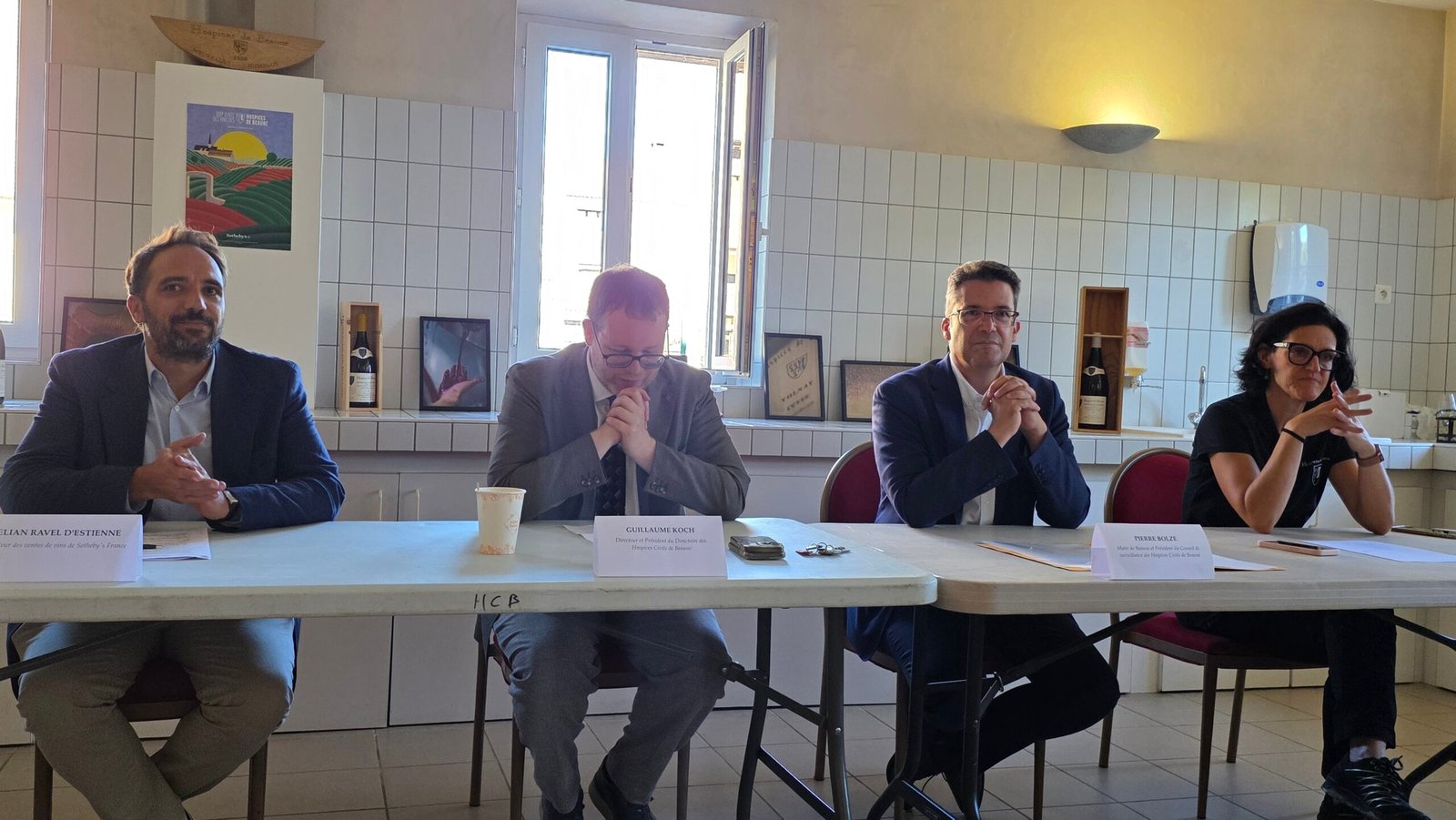
Record-early vine growth, periods of extreme heat, an historically early harvest and modest yields – yet grapes of remarkable health and quality. The 2026 vintage at Domaine des Hospices de Beaune has proved so unusual that many of Burgundy’s established reference points had to be reassessed throughout the season. Today, the central question has shifted from vineyard to cellar: how can the distinct identity of Burgundy’s Climats be preserved in a year so profoundly shaped by climate?
In early September in Beaune, the team at Domaine des Hospices de Beaune presented its first assessment of this extraordinary growing season. Ludivine Griveau, Estate Manager of Domaine des Hospices de Beaune, reflected on a year that demanded constant observation, rapid responses and a willingness to rethink long-established practices. If the 2026 vintage could be summed up in a single word, that word would almost certainly be adaptation.

The first signs of an unusual season appeared remarkably early. Following the rainy September of 2025, which replenished soil water reserves, Burgundy experienced a colder winter, followed by a damp start to spring.Then, in March, everything accelerated dramatically. Bud swell began on 19 March, the first green shoot tips appeared around 25 March, and by 24 April the first inflorescences were already visible. The vines seemed to be moving ahead of the calendar.
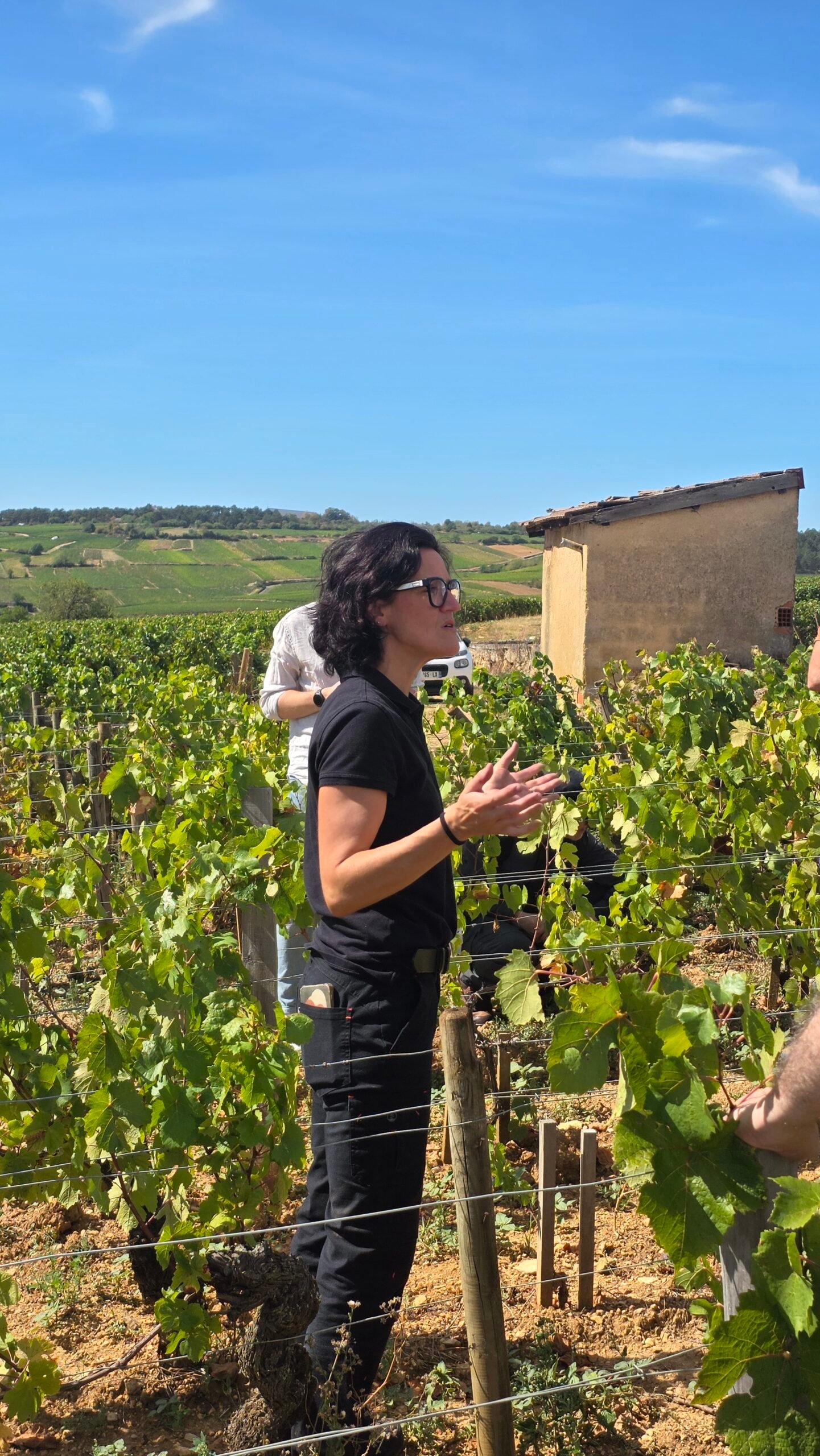
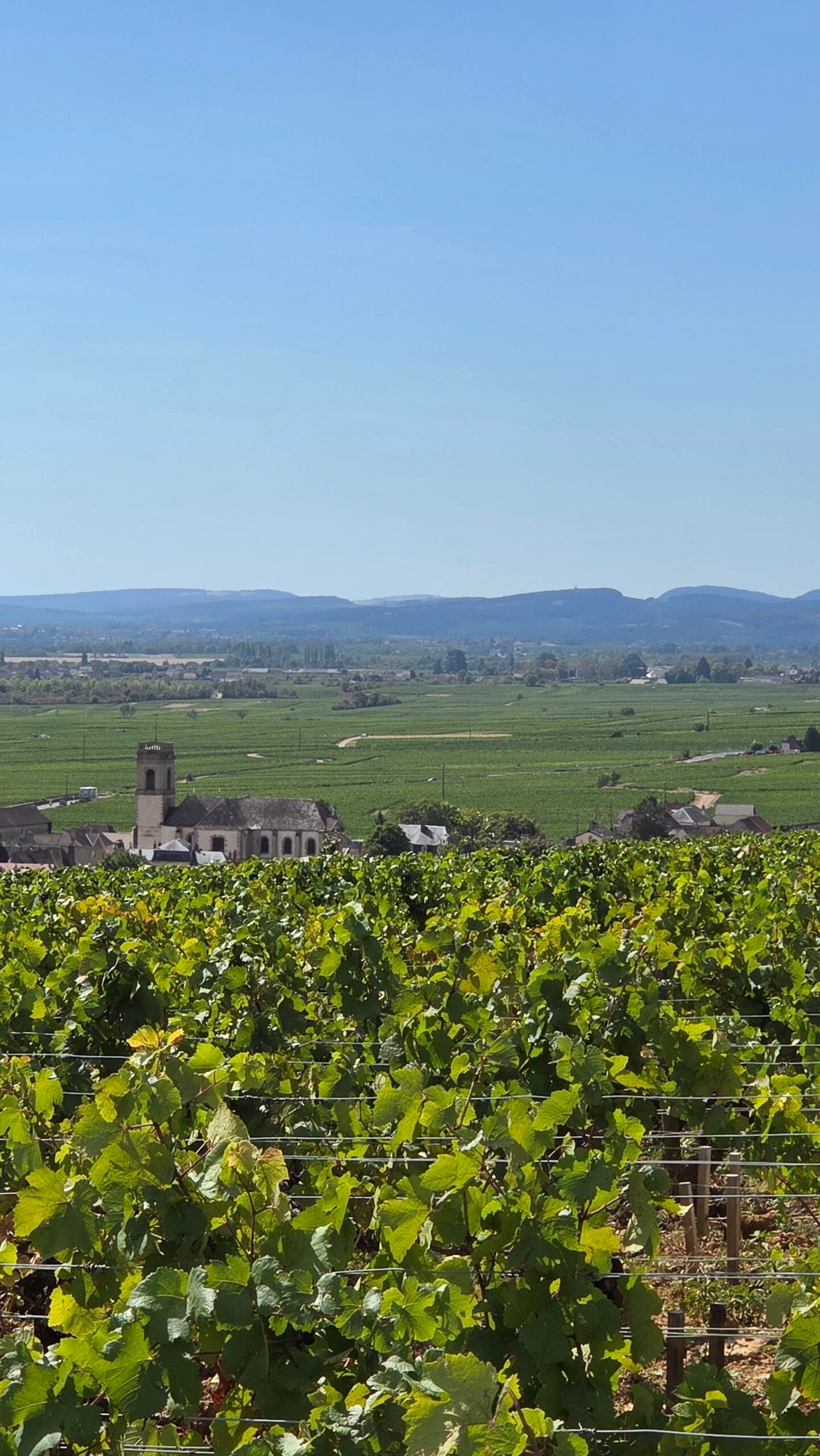
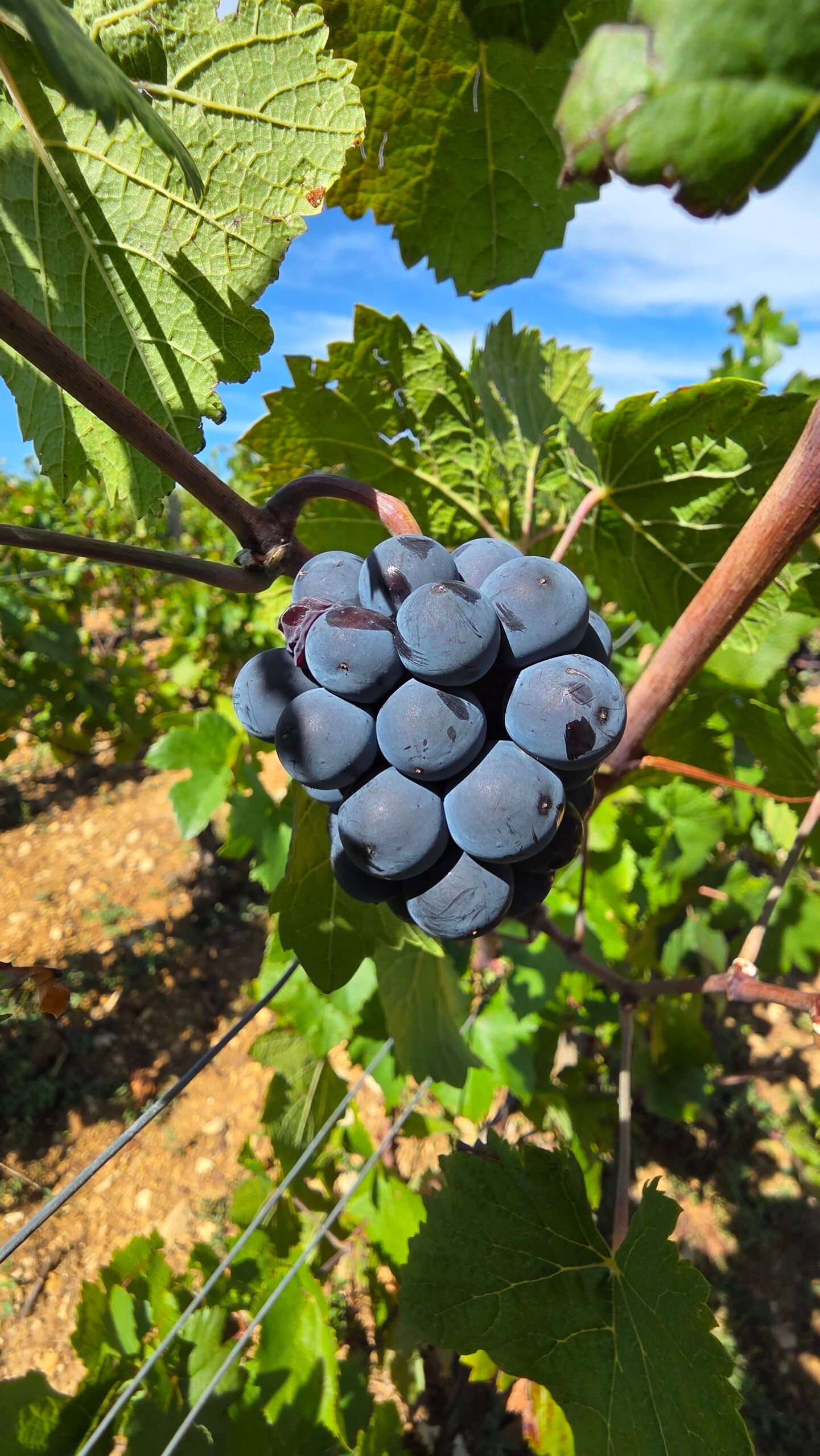
The next challenge arrived during flowering. Chardonnay proved particularly sensitive, flowering before Pinot Noir. Elevated temperatures caused significant coulure – poor fruit set – making it clear at an early stage that yields would be limited. Yet perhaps the most revealing aspect of the season was something else: despite the extreme conditions, the vine continued its vegetative cycle uninterrupted. By the end of June, it had become evident that harvesting could begin exceptionally early.
The 2026 season compelled the team at Domaine des Hospices de Beaune to reconsider certain vineyard practices. Young vines required irrigation as early as June. Once véraison began, soil cultivation was halted in order to retain as much moisture and coolness as possible.
From mid-June onwards, the estate also abandoned rognage – trimming the tops of the shoots. The additional leaf canopy provided natural shade and helped protect bunches from excessive solar exposure.
At first glance, these may seem merely technical adjustments. Yet they touch on one of the defining themes of contemporary Burgundy viticulture. As the climate evolves, tradition remains the foundation, but it can no longer serve as an automatic instruction manual.
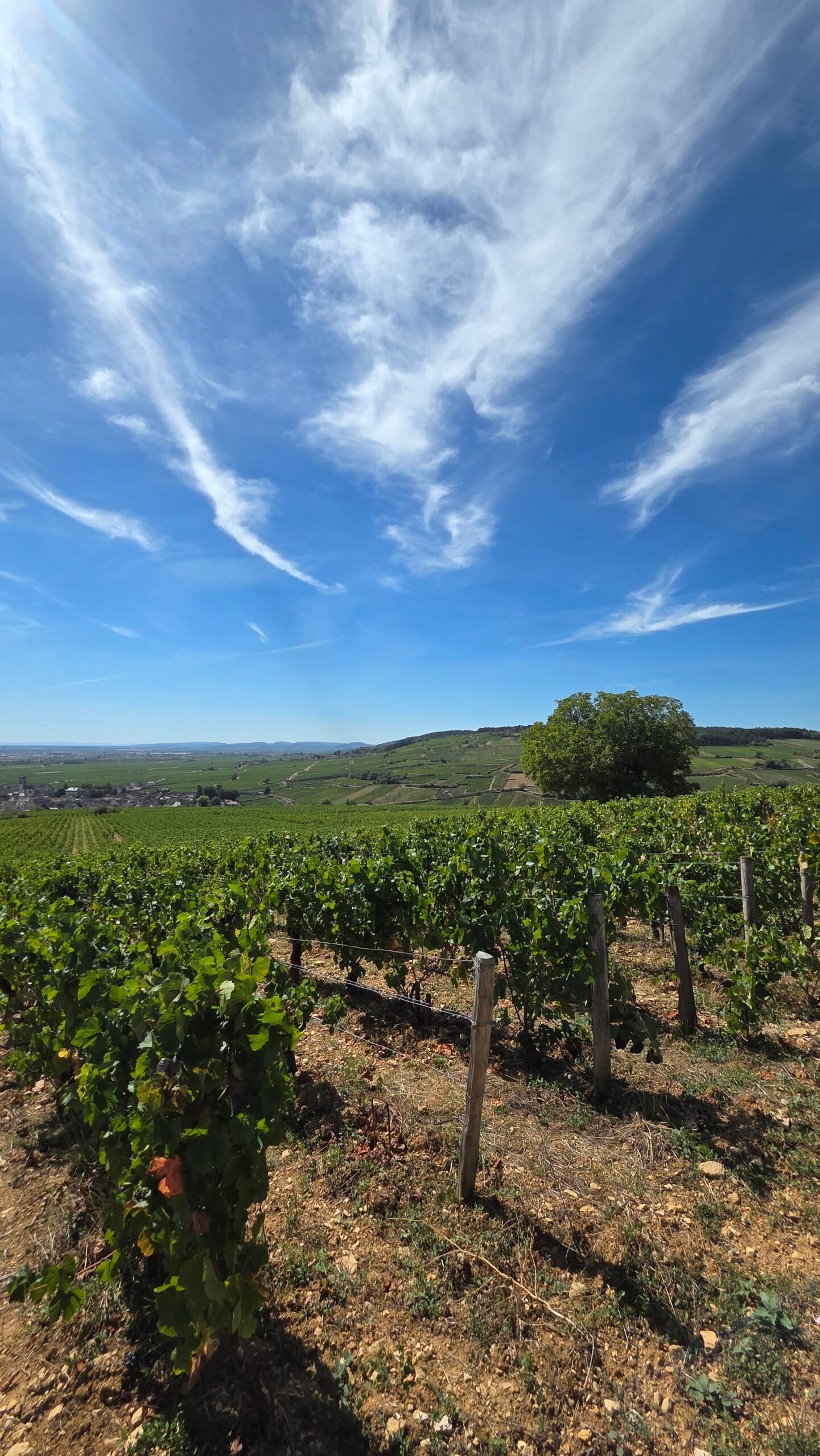
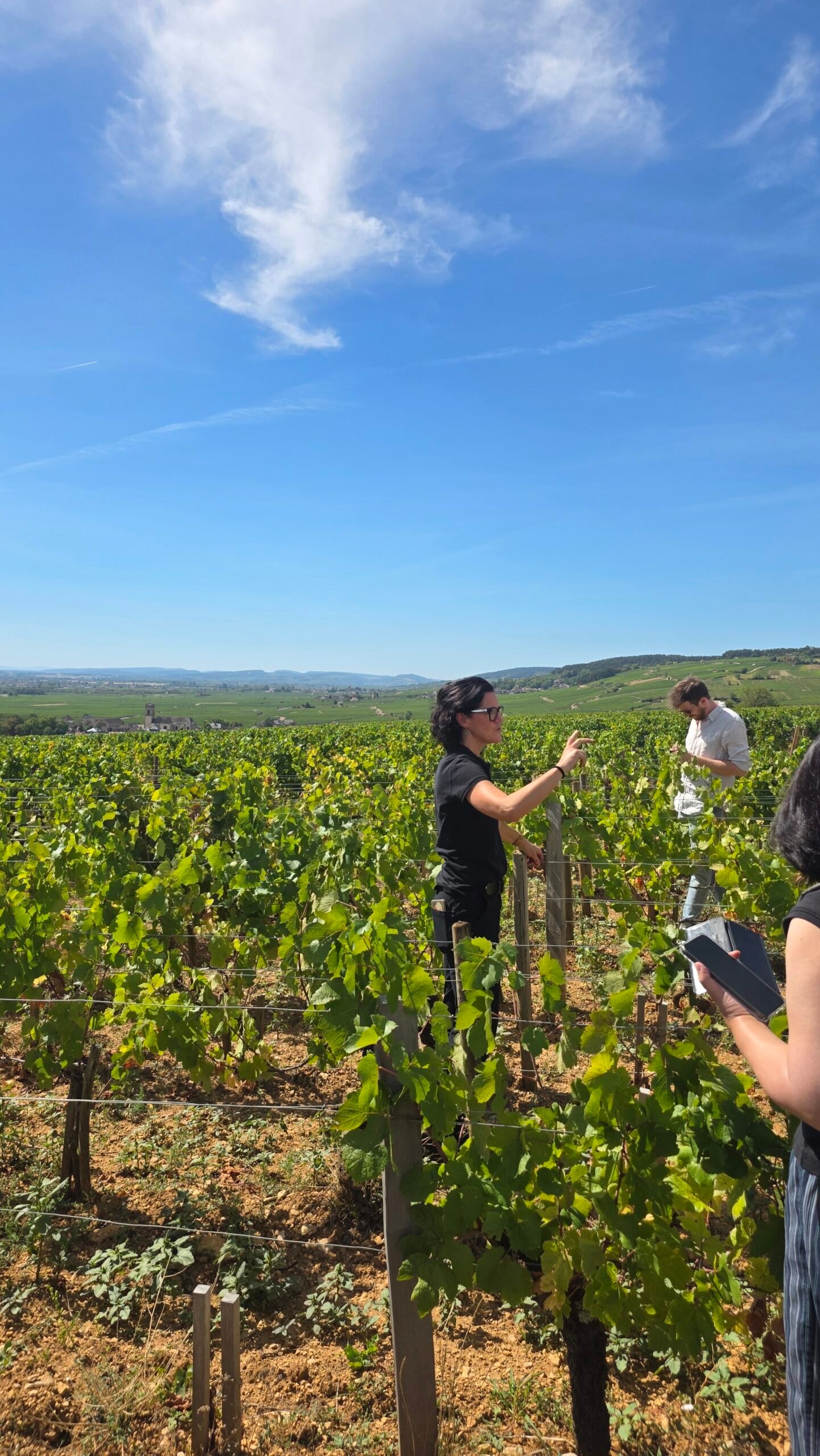
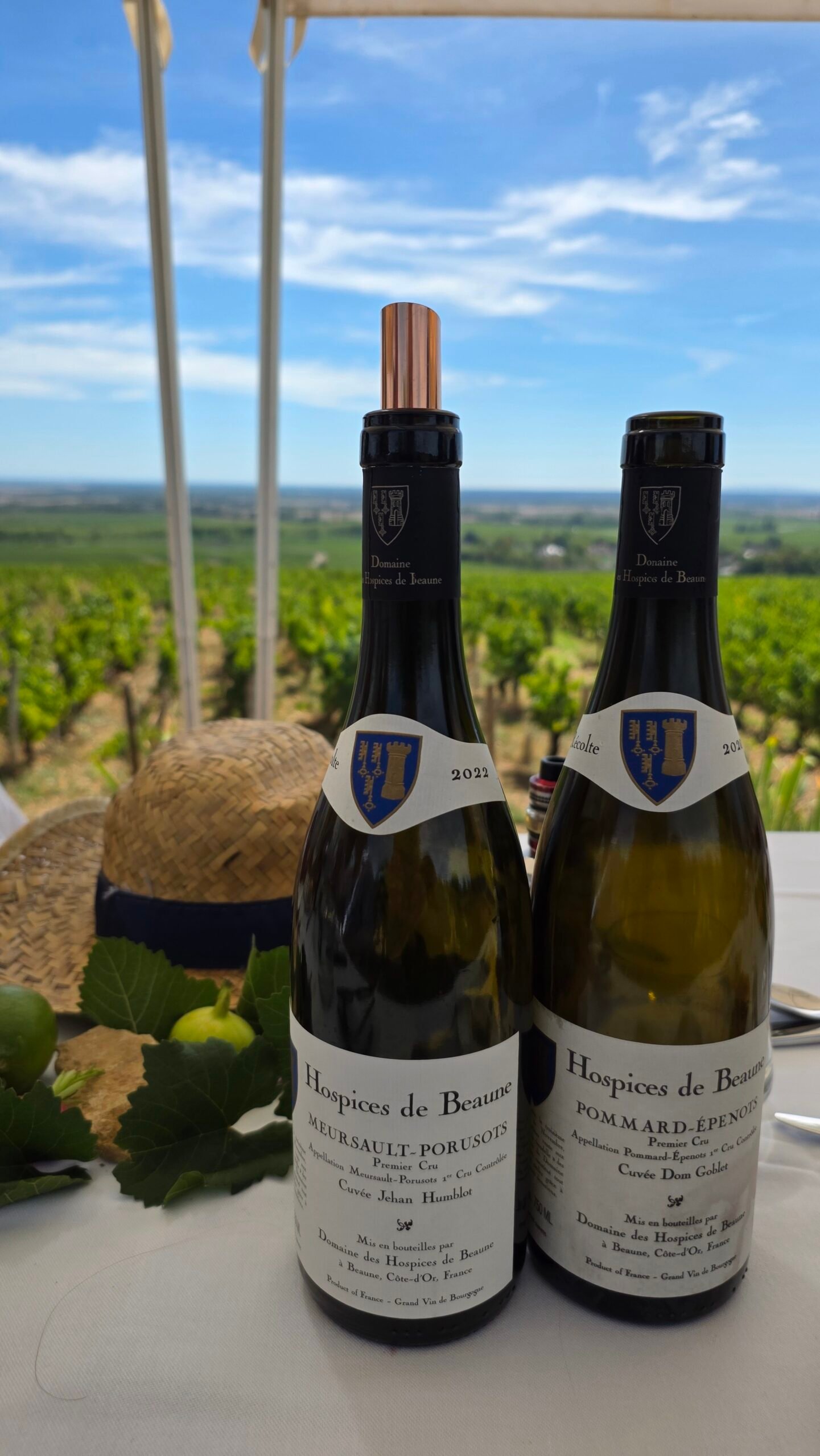
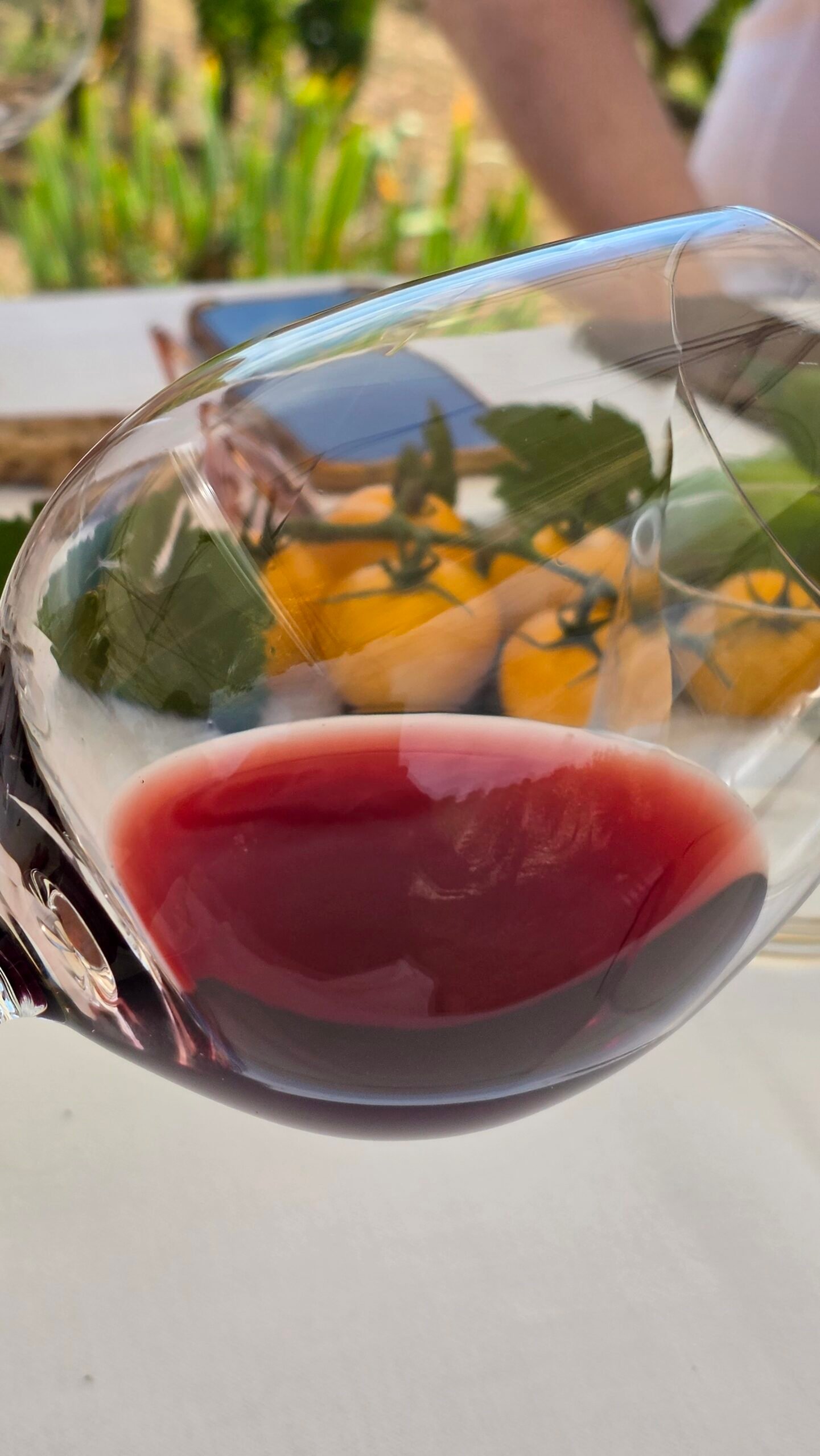
Growers are increasingly compelled to revisit fundamental questions: what does the vine truly need today? Which established practices remain effective? And which are best set aside in a particular year? The price of such an extreme season was a small crop. Yet Domaine des Hospices de Beaune prefers to view the situation in a broader context. Several French wine regions suffered severe hail episodes immediately before harvest in 2026, with some estates sustaining major losses. In Beaune, yields were modest – but the crop was secured.
Domaine des Hospices de Beaune began harvesting on 15 August 2026. By 24 August, the entire harvest had been completed. It was one of the earliest harvests in the Domaine’s history. Even the usual sequence of vineyard parcels changed: for the first time, Corton was harvested before Volnay.
For an estate farming around 60 hectares across multiple Burgundy appellations, such a pace required exceptional flexibility. Decisions on picking dates had to be made through near-continuous monitoring of each individual parcel. In a changing climate, adaptability alone is no longer enough; speed of response has become equally essential.
Here lies one of the great paradoxes of the 2026 vintage. Despite the challenges of the season, fruit arrived at the winery in outstanding sanitary condition. Less than 3% of berries were removed during sorting. Thick skins, high concentration and promising colour intensity in Pinot Noir suggest considerable potential.
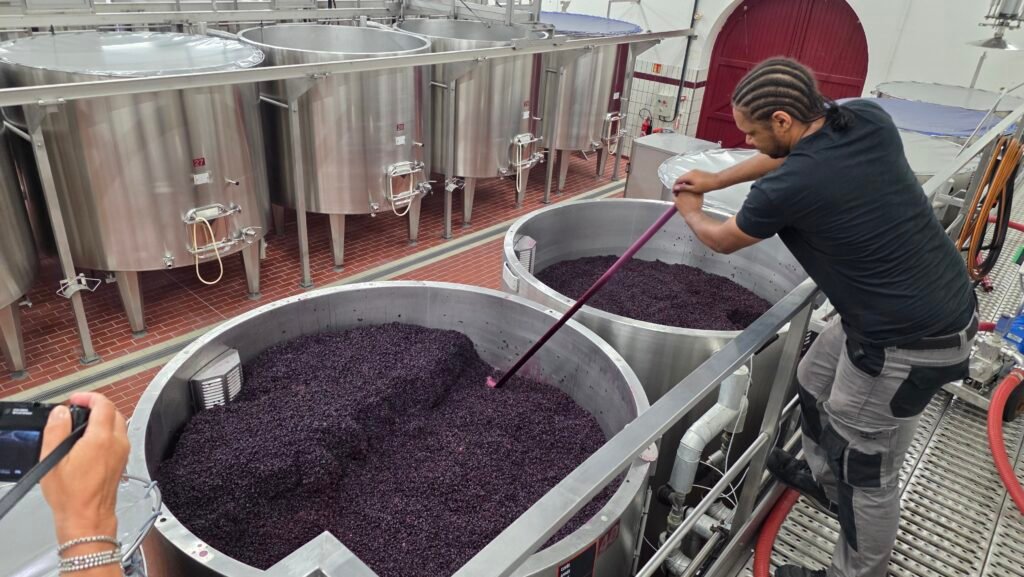
There is, however, another side to the story. Potential alcohol levels are high, in certain cases so high that Ludivine Griveau described them as “stratosphériques”. Yet exceptionally ripe and concentrated grapes do not automatically translate into a great Burgundy wine. Indeed, what may prove to be the most fascinating chapter of the 2026 vintage is only just beginning.
For Burgundy, this question is of particular importance. The region’s wine identity is founded upon its ability to express a specific place – a Climat, an historically defined vineyard site distinguished by its unique combination of soil, exposure, microclimate and centuries of human stewardship.
But when seasonal conditions become so dominant – heat, ripeness and concentration – there is a risk that the character of the vintage itself may overshadow the nuances of individual terroirs. This is why the challenge facing the team at Domaine des Hospices de Beaune is far greater than simply conducting a successful vinification.
The objective is to preserve the individuality of every Climat. According to Ludivine Griveau, 2026 will be a vintage in which cellar work assumes particular importance. The grapes arrived with exceptional ripeness and concentration, and the principal task now is to vinify them in a way that preserves freshness, balance and, above all, the singular identity of each Climat.
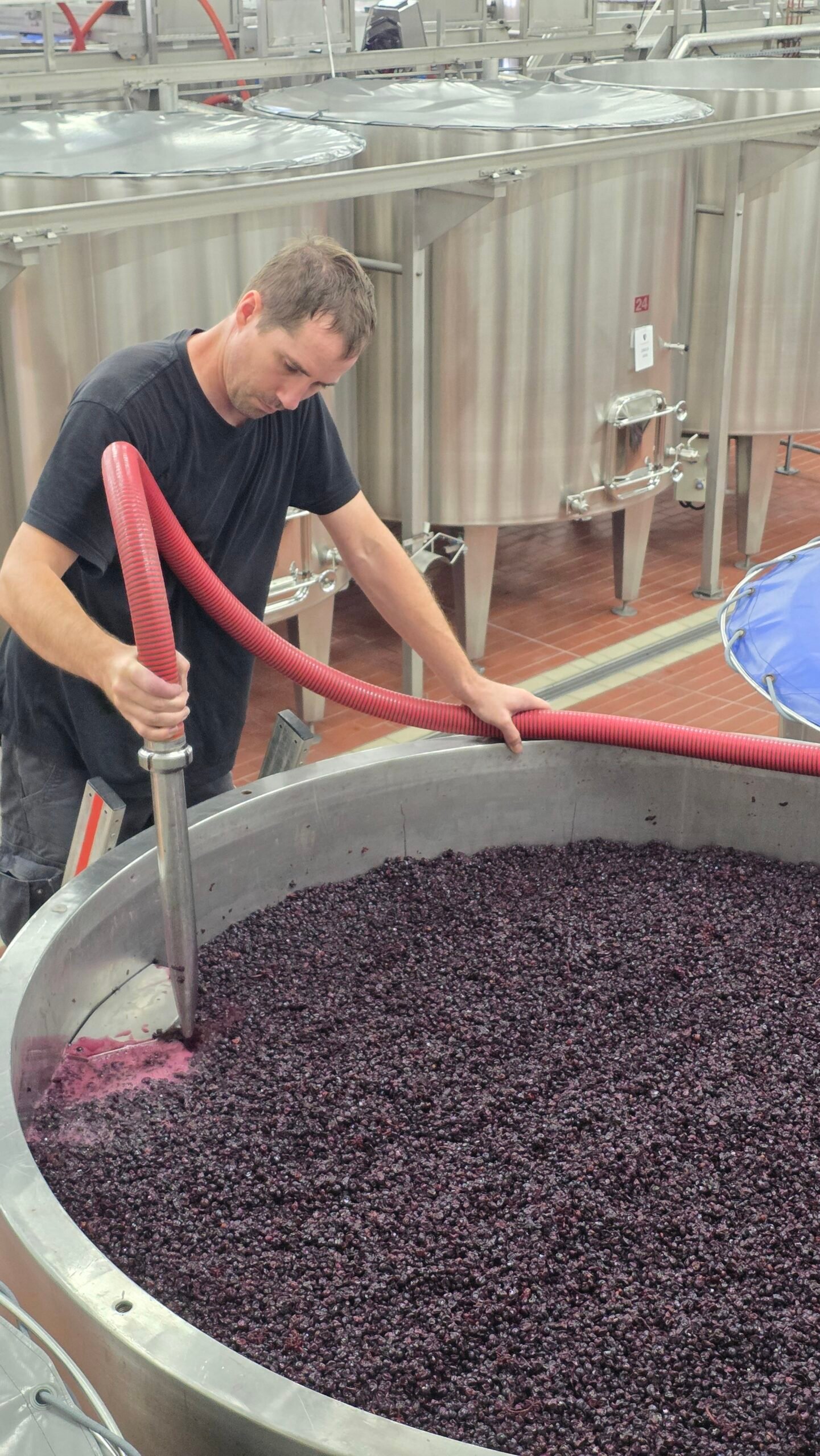
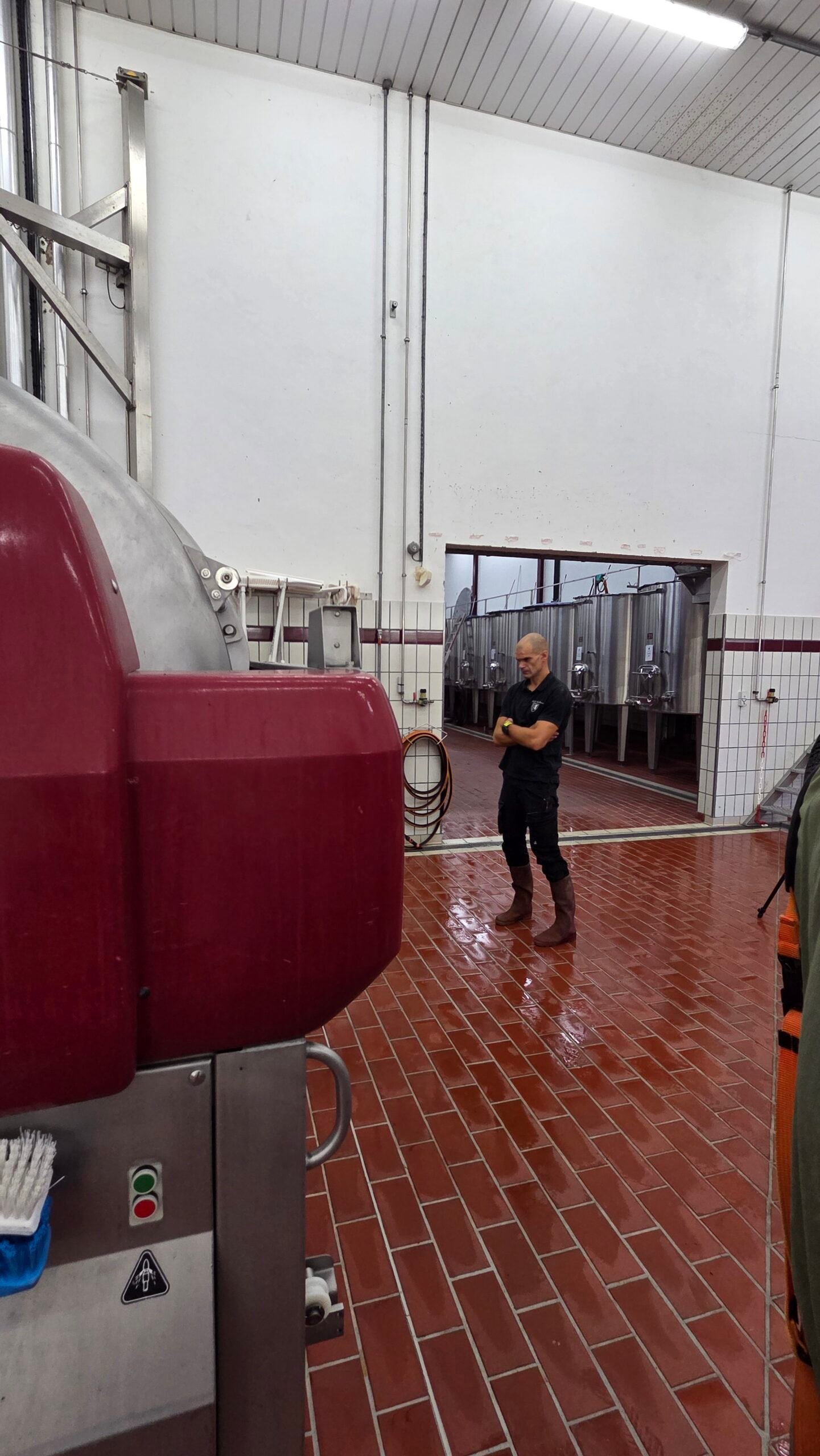
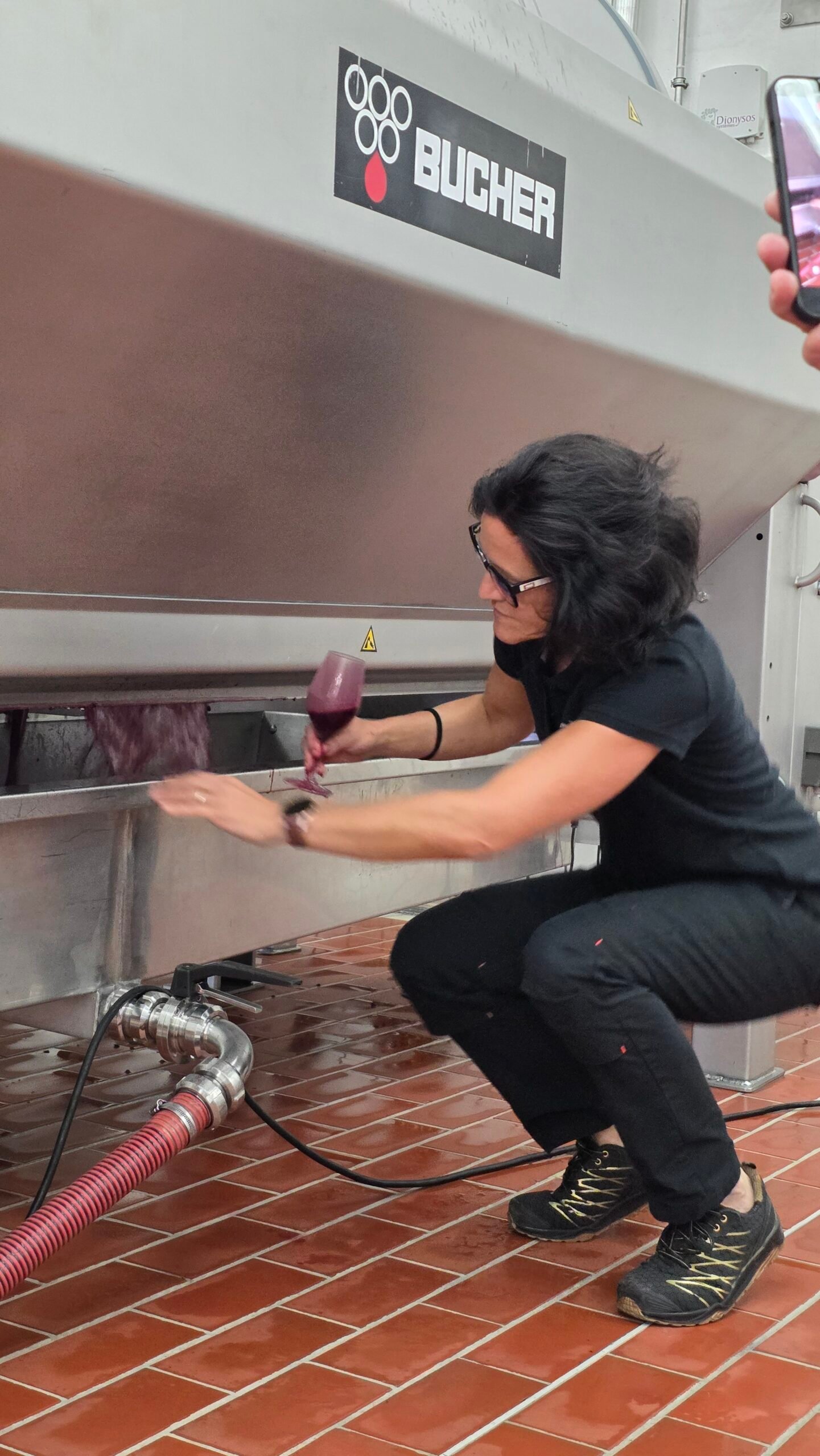
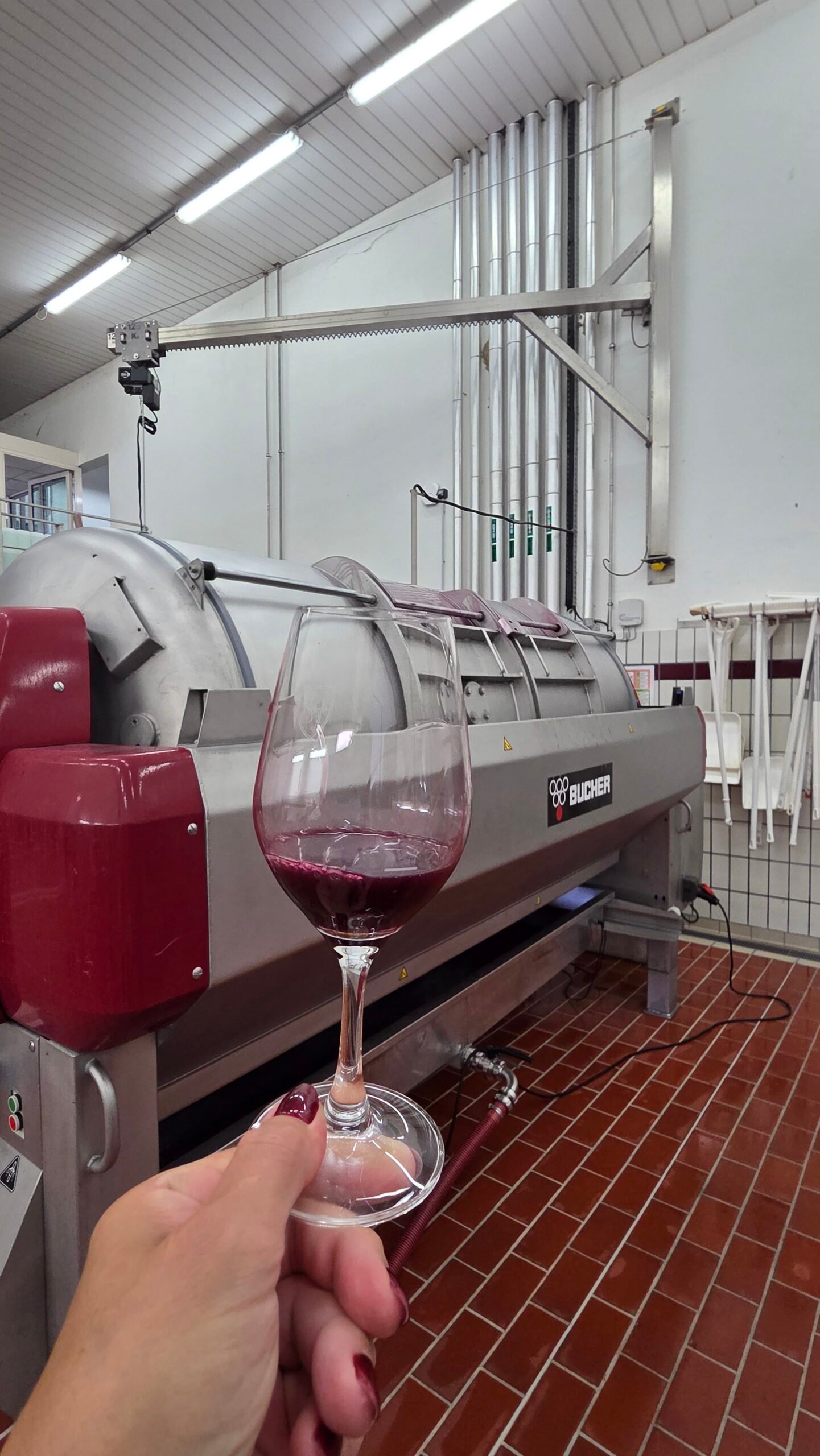
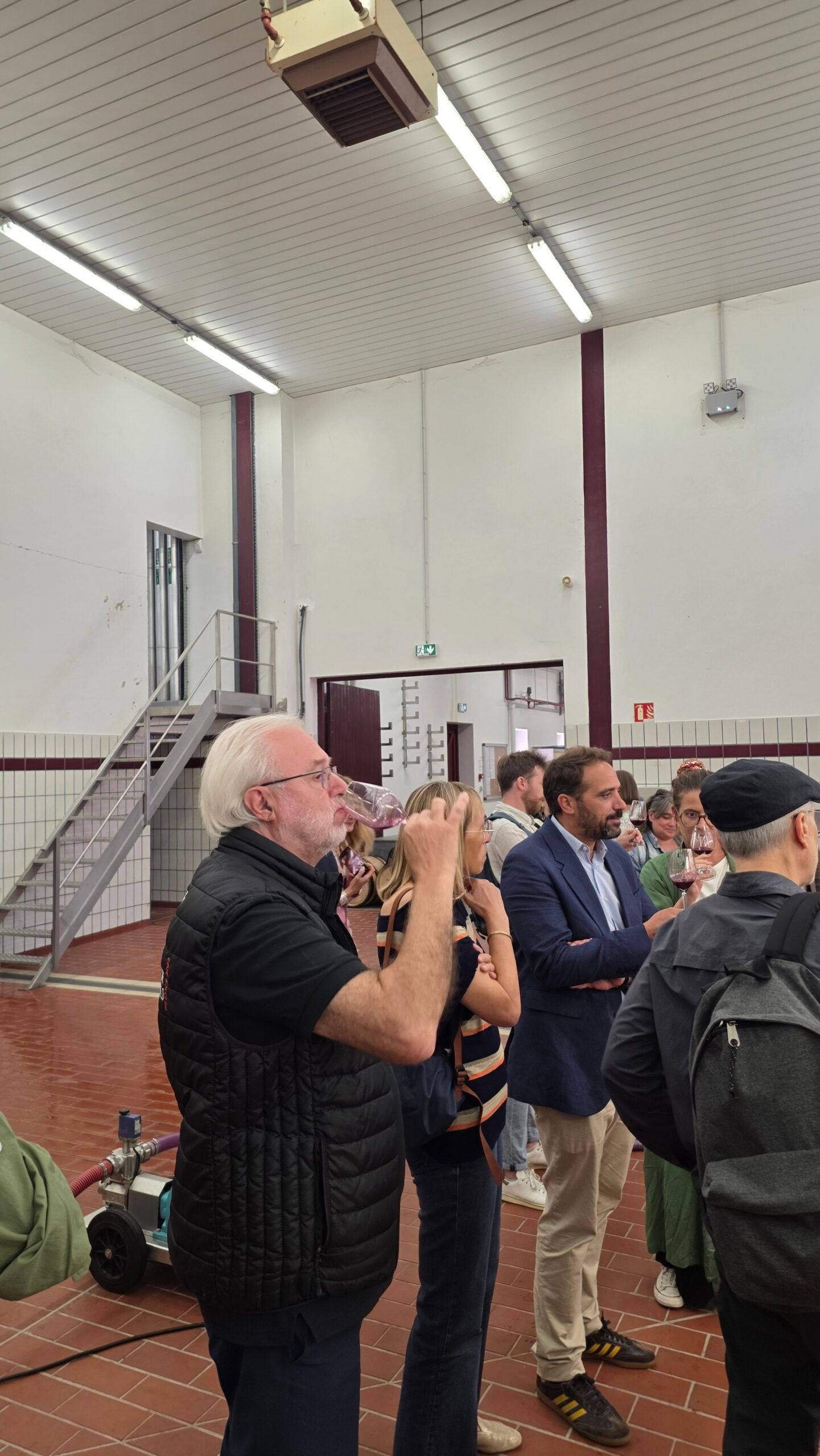
Extraction management, tannin handling and fermentation control must all aim not to amplify an already powerful raw material, but rather to safeguard finesse and maintain the wine’s connection to its place of origin.
This is one of the defining challenges of the 2026 vintage: ensuring that the personality of a hot year does not eclipse the voice of the terroir itself.
What makes Ludivine Griveau’s account particularly compelling is not only the extraordinary sequence of events, but also her attitude towards them.
Burgundy viticulture is entering a period in which generations of accumulated knowledge remain invaluable, yet no longer provide ready-made answers to evolving climatic realities. In this sense, 2026 has become something of a laboratory for a new era. It has demanded faster reactions, closer observation of the vines, revised vineyard schedules and, in certain cases, the abandonment of long-established routines.
That is why Ludivine Griveau’s response to this challenging season remains strikingly optimistic: “Vive 2026!” For 2026 has been a year defined by continual adaptation, attentive observation and the search for new solutions.
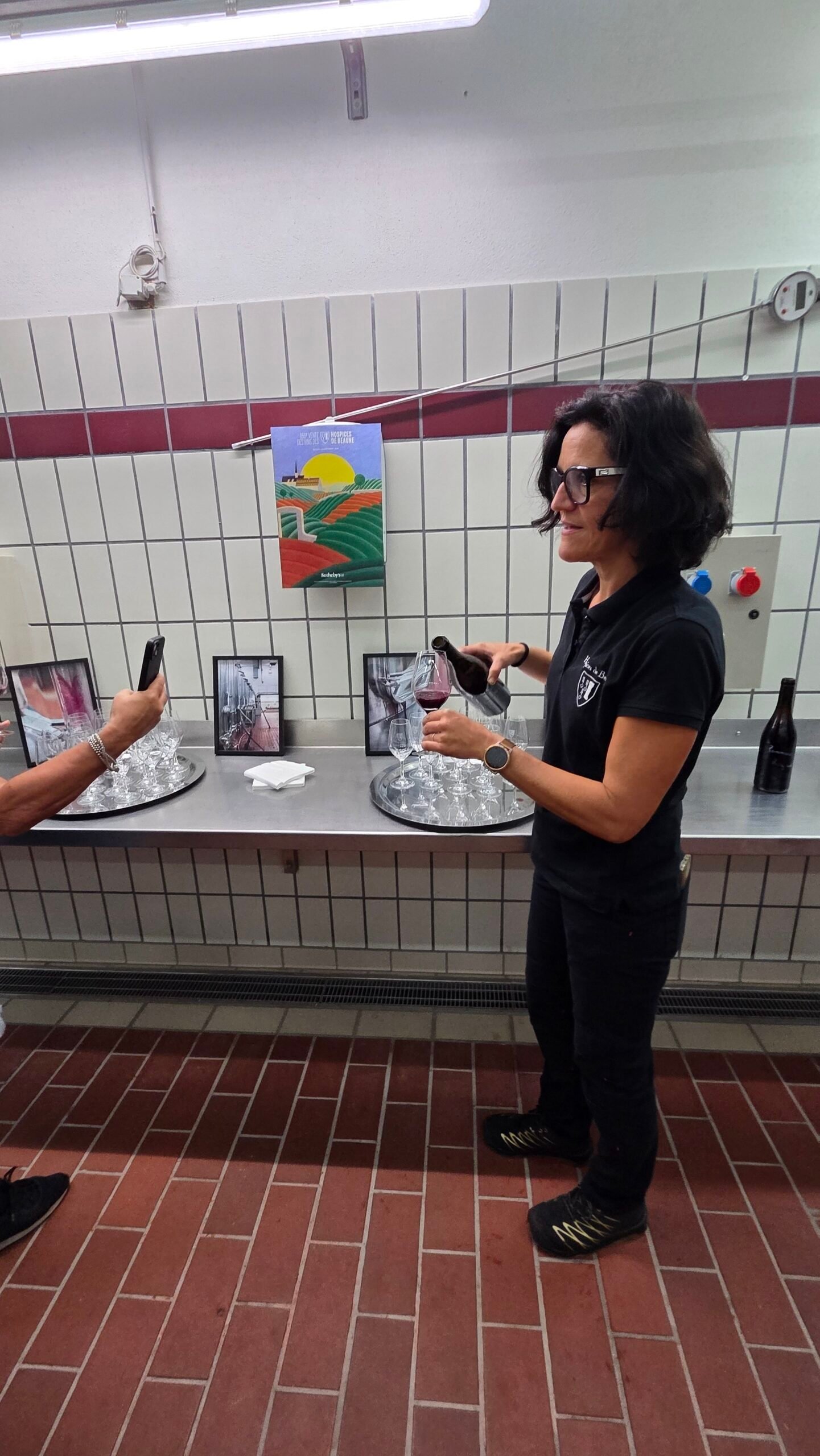
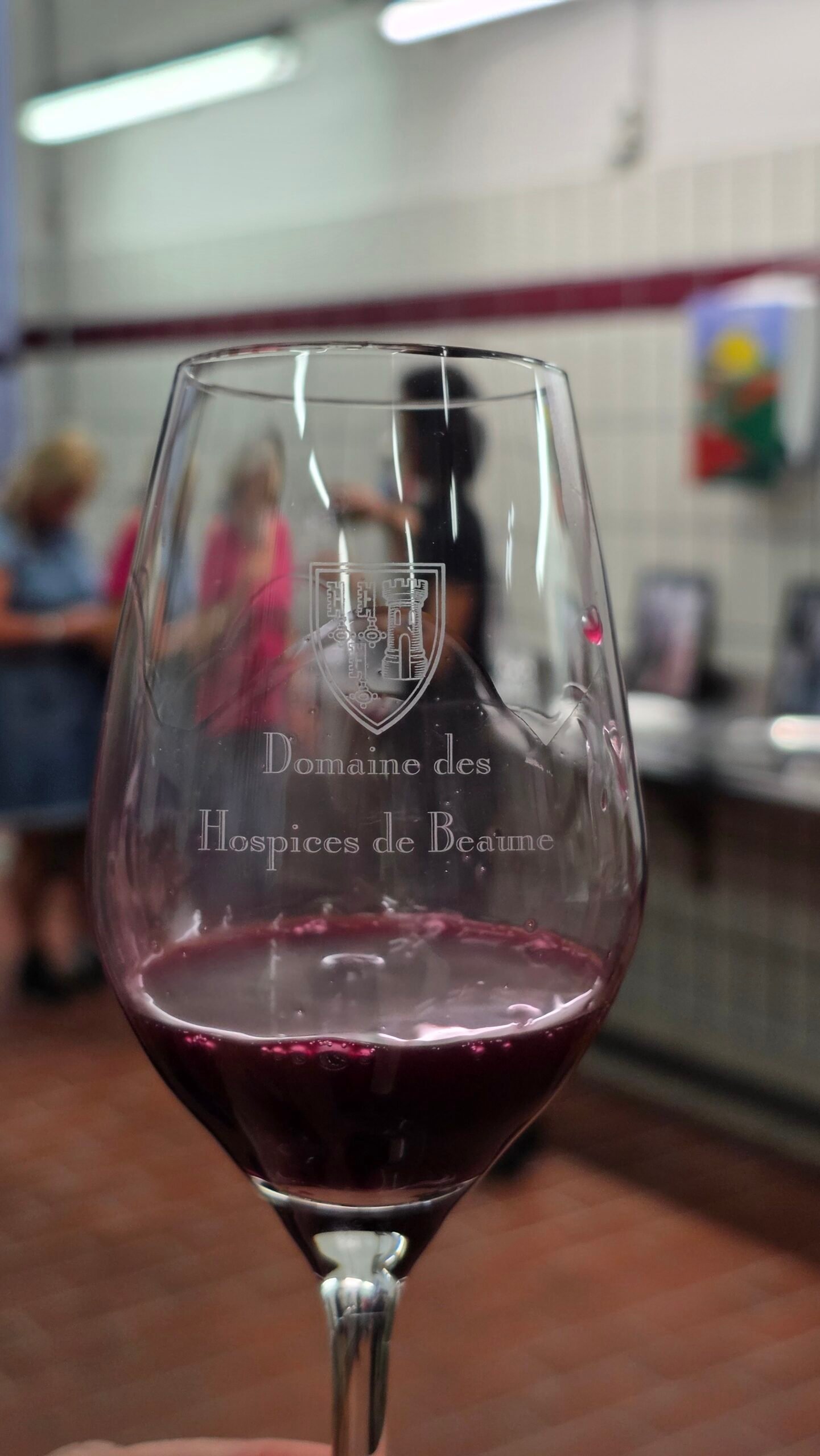
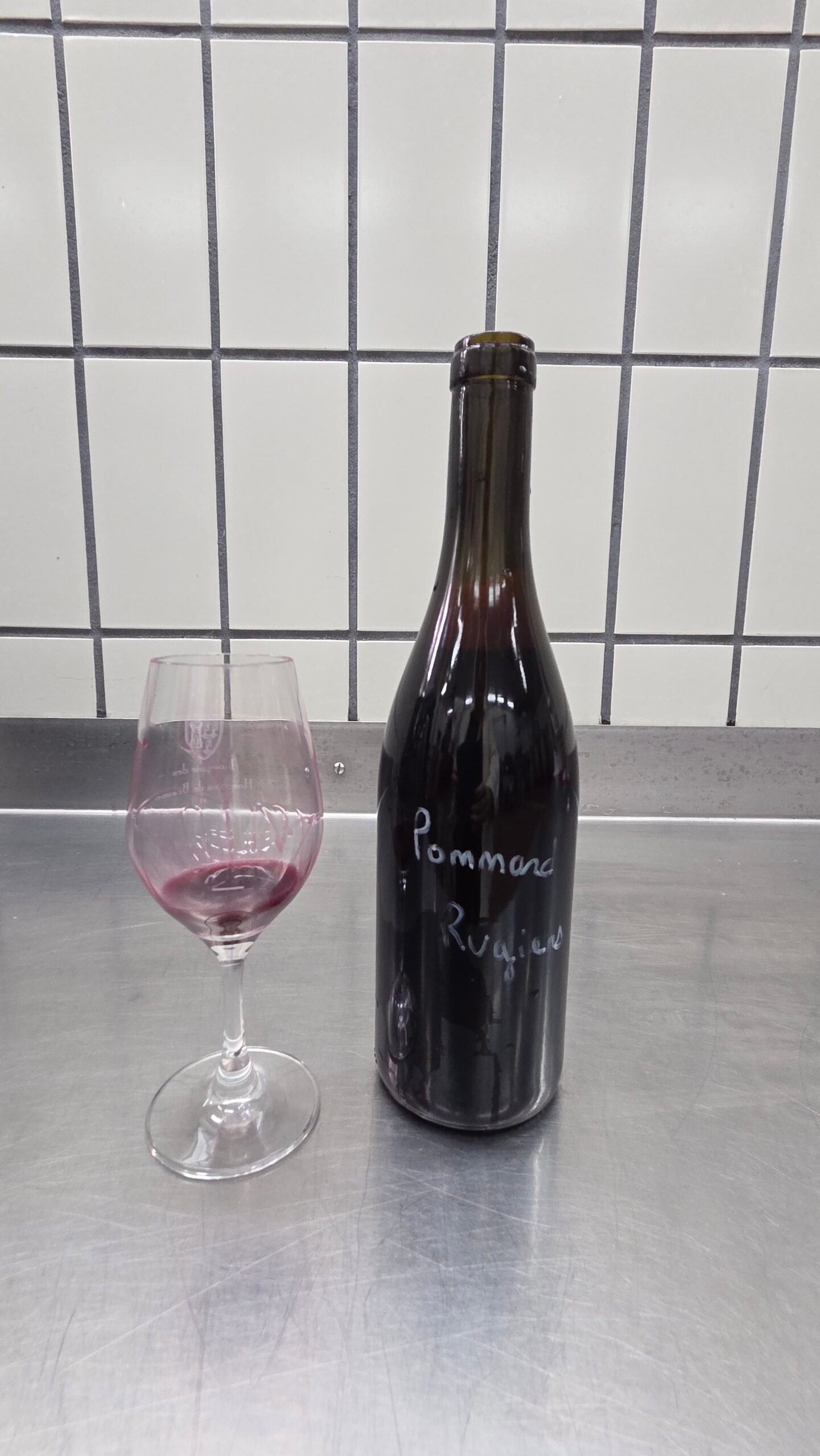
Today, work on the vintage continues in the cellars of Domaine des Hospices de Beaune. Following the exceptionally early harvest, the team’s central task is to find the right balance between ripeness and freshness, concentration and finesse, the character of the year and the character of each individual Climat.
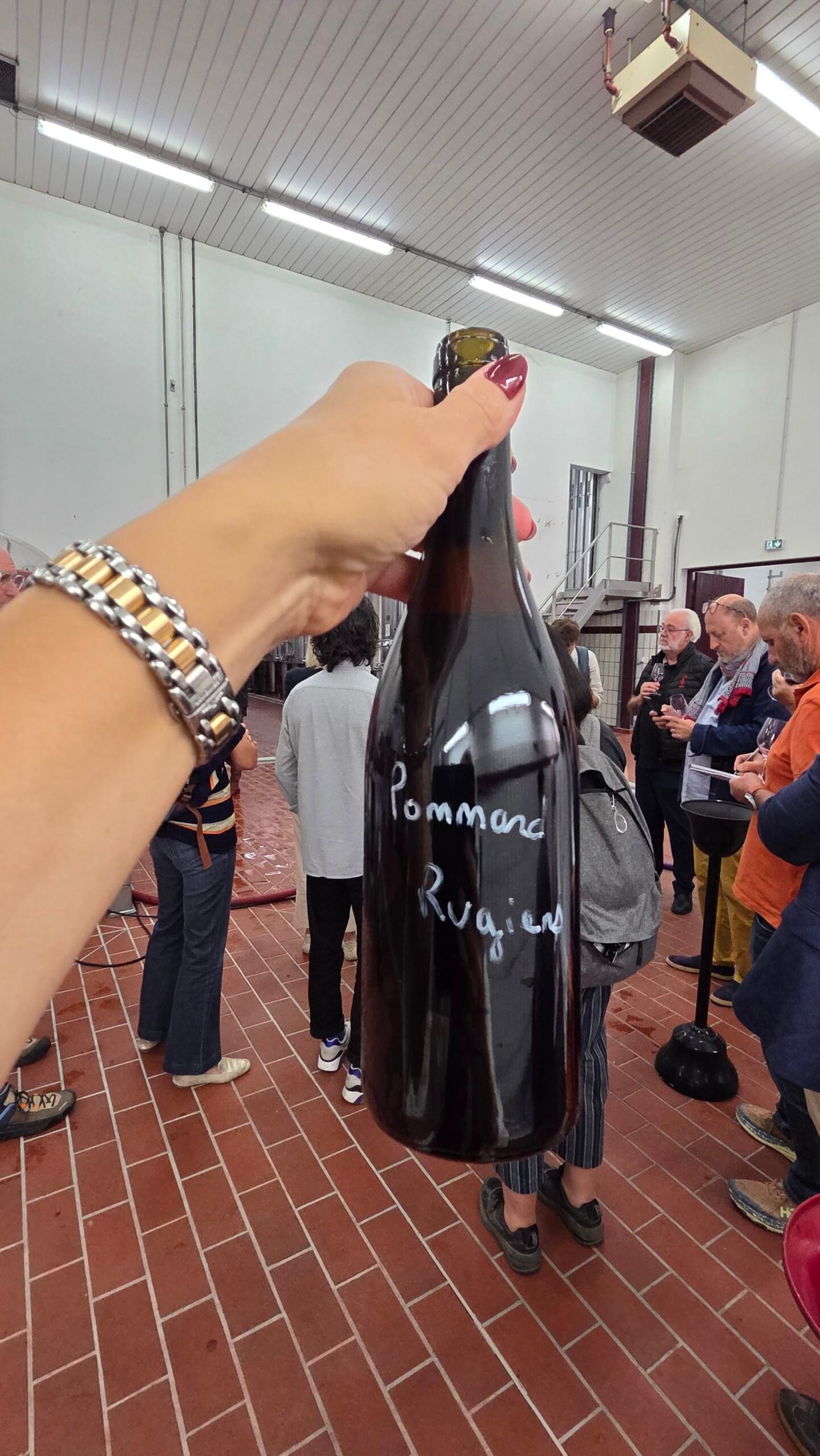
Pommard occupies a special place within this story. In 2026, AOC Pommard celebrates its 90th anniversary, having been established on 11 September 1936.
During the press day, we had the opportunity to taste two Pommards directly from tank while vinification was still underway: Les Rugiens and Les Epenots. It was a particularly revealing moment. These wines remain at the very beginning of their journey, yet they already provide insight into how the team at Domaine des Hospices de Beaune is handling the exceptionally ripe and concentrated fruit of the 2026 vintage.
The outcome of this work will ultimately determine what the wines of Domaine des Hospices de Beaune 2026 become.
Beaune, Bourgogne – September 2026
Photo: Alexandra Minenko-Decamps
⇒ Join our social networks ⇒ Optimistic D+ editors will take this as a compliment.
⇒ Every like is taken as a toast!
18.09.2026