На сайте используются cookie файлы
The site uses cookie files
Данный сайт имеет возрастное ограничение!
This site has age restrictions!
Я подтверждаю, что мне, увы, уже давно исполнилось 18 лет
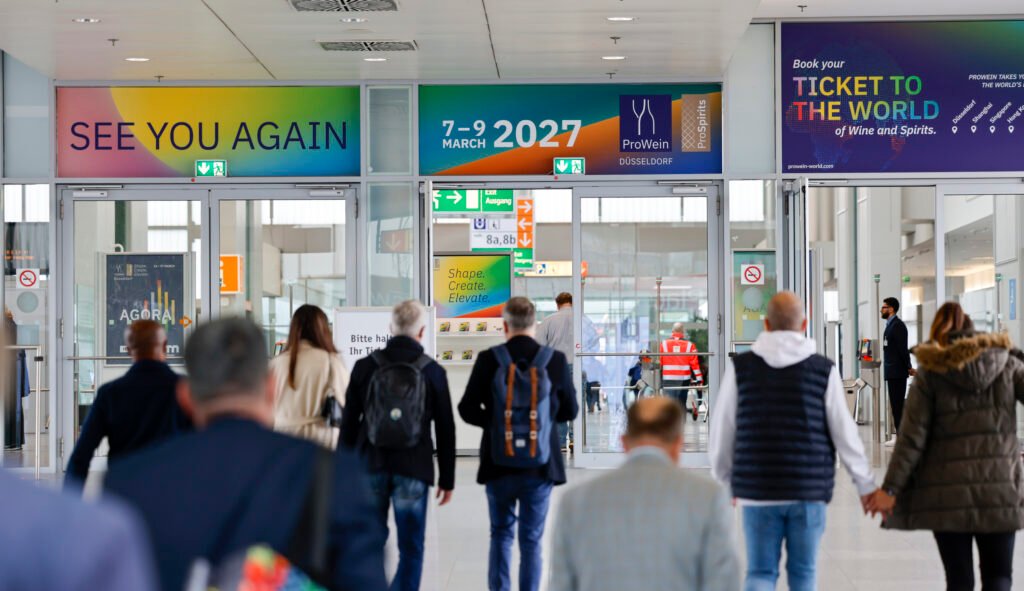
For quite a while, ProWein was considered the world’s largest international trade fair for wine and spirits. This year, however, things look a little different. Long before the fair opened, organizers had already announced a smaller number of exhibitors and visitors, along with a reduced exhibition space.This was explained as an effective optimization and even a necessity to reduce the distance between exhibitors’ booths. The focus was also placed on quality rather than quantity.
So how did it go? Here are the numbers from the organizers: ProWein 2026 hosted 3,400 exhibitors from 63 countries. The fair was attended by 31,000 trade professionals from 105 countries. Special attention was given to buyers from key import markets, such as Germany, Belgium, the Netherlands, the Nordic countries, and the USA. This approach was strengthened by the updated and well-received Hosted Buyer program.
Did ProWein manage to maintain its status as the most outstanding event in the global wine and spirits industry? D+ correspondent Victoria Makarova spoke with exhibitors and visitors at the fair to find out.
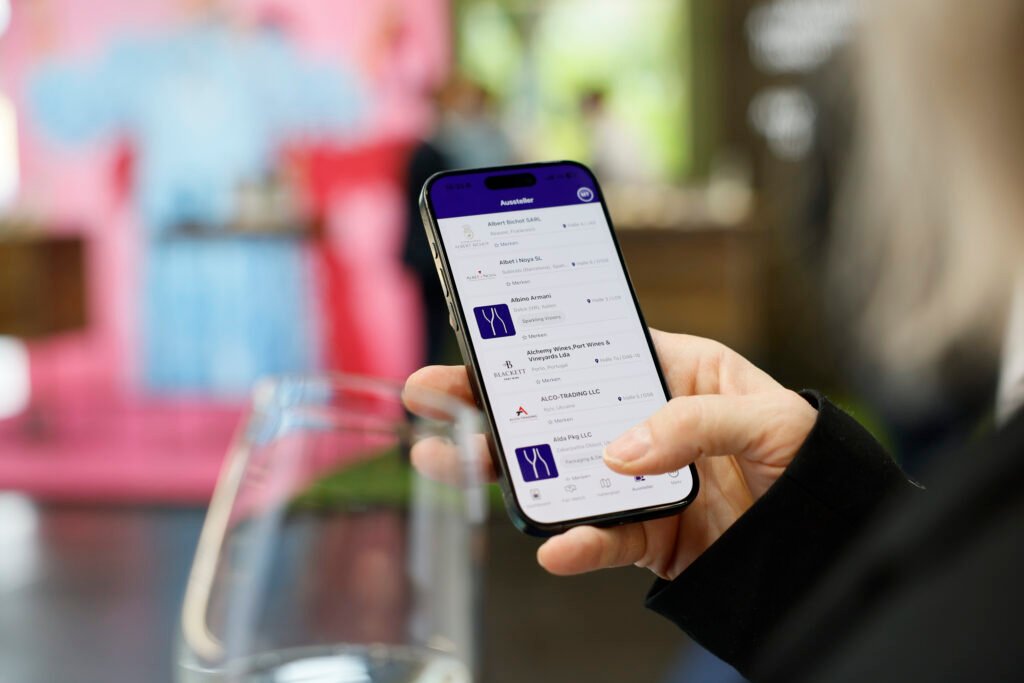
ProWein 2026 didn’t exactly live up to that dramatic motto, which is good news. The changes felt tentative rather than revolutionary, like the first steps in a process that might evolve into something bigger in the future. Most of the visible updates this year were external: a sleek rebranding that seems to be aimed at a younger audience; an expanded concierge service for VIP visitors; efforts to improve business networking through the revamped “Fair Match” app; and a push to make navigation around the fair more intuitive and user-friendly. Prices for stands and other exhibitor services remained high, and according to many participants, this will be a major factor when deciding whether to return next year.
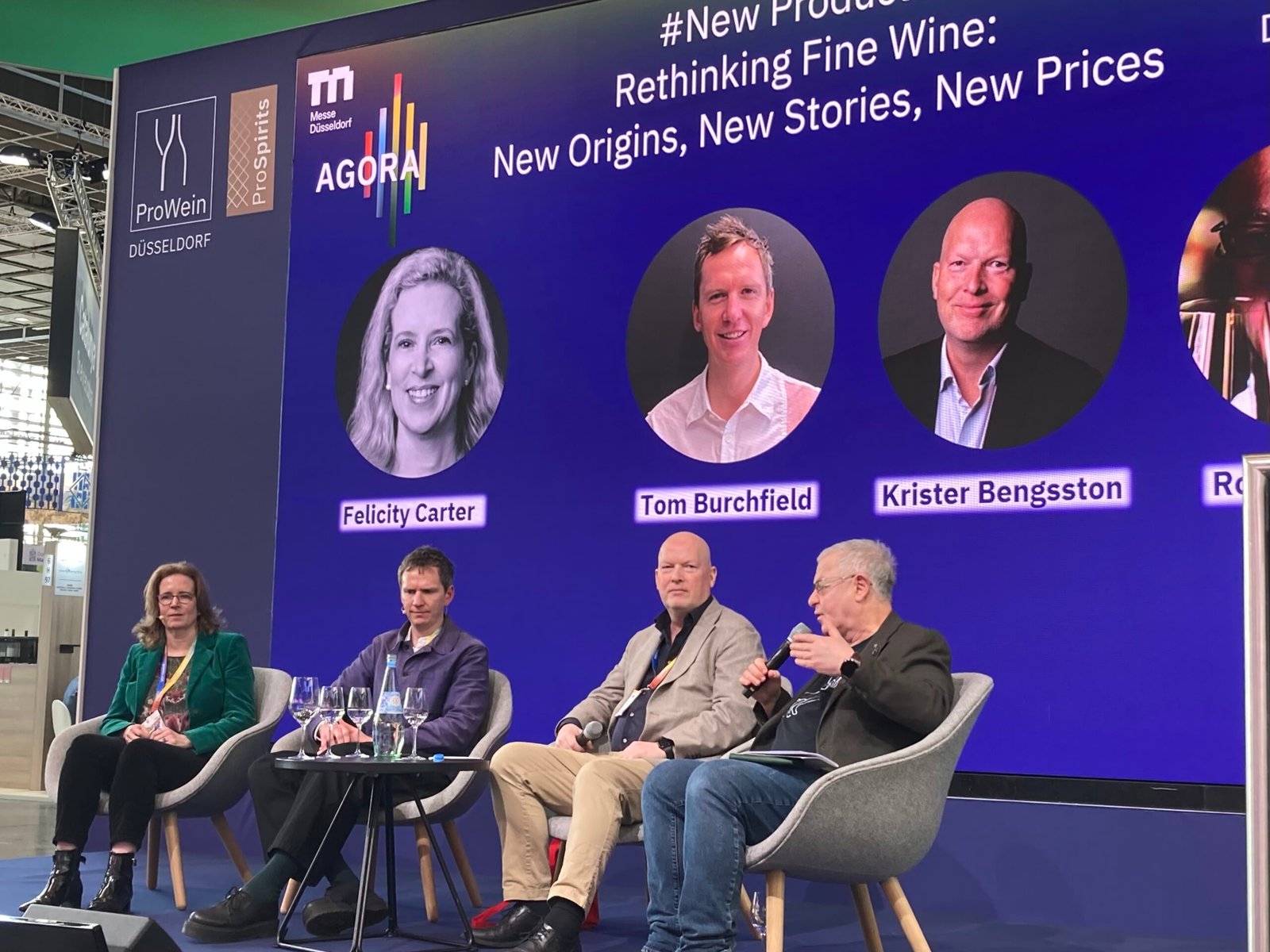
One standout was the expanded educational program. The new ProWein Agora, organized by the A2Wine & Things Agency, offered short, dynamic presentations, panel discussions and keynote talks from industry visionaries. Topics ranged from pressing market issues to hot-button debates: how do you sell wine in established, mature markets? Does fine wine demand new sales strategies, and how does it play out for prestigious regions like Bordeaux? What does the future hold for wine tourism, and how does it impact sales? How are AI and social media shaping consumer preferences? And what lessons can winemakers learn from success stories in other beverage categories?
The one downside: the sessions were mostly attended by journalists, bloggers, and marketers — people already deeply embedded in the industry. The winemakers themselves, who must make the critical decisions to navigate this challenging period, were tied up at their stands and couldn’t join the discussions or gain inspiration from the insights shared.
The traditional local transport strike in Düsseldorf, which this year hit on the last day of ProWein, surprised no one, though it did manage to annoy a few. Germans, accustomed to such trials, didn’t let it stop them. Andreas Brensing, Chief Wine Consultant at the Wein Kompetenz Center of the REWE Group Buying network, called the situation “logistical madness.” The shuttle service helped a bit, but it didn’t exactly silence the grumbling from the foreign participants. “I, by the way, rented a bike and cruised along the Rhine,” he wrote in his LinkedIn post. “If there’s another strike next year, the bike path from Cologne to Düsseldorf is quite pleasant. I even have a second bike if anyone wants to join me…”
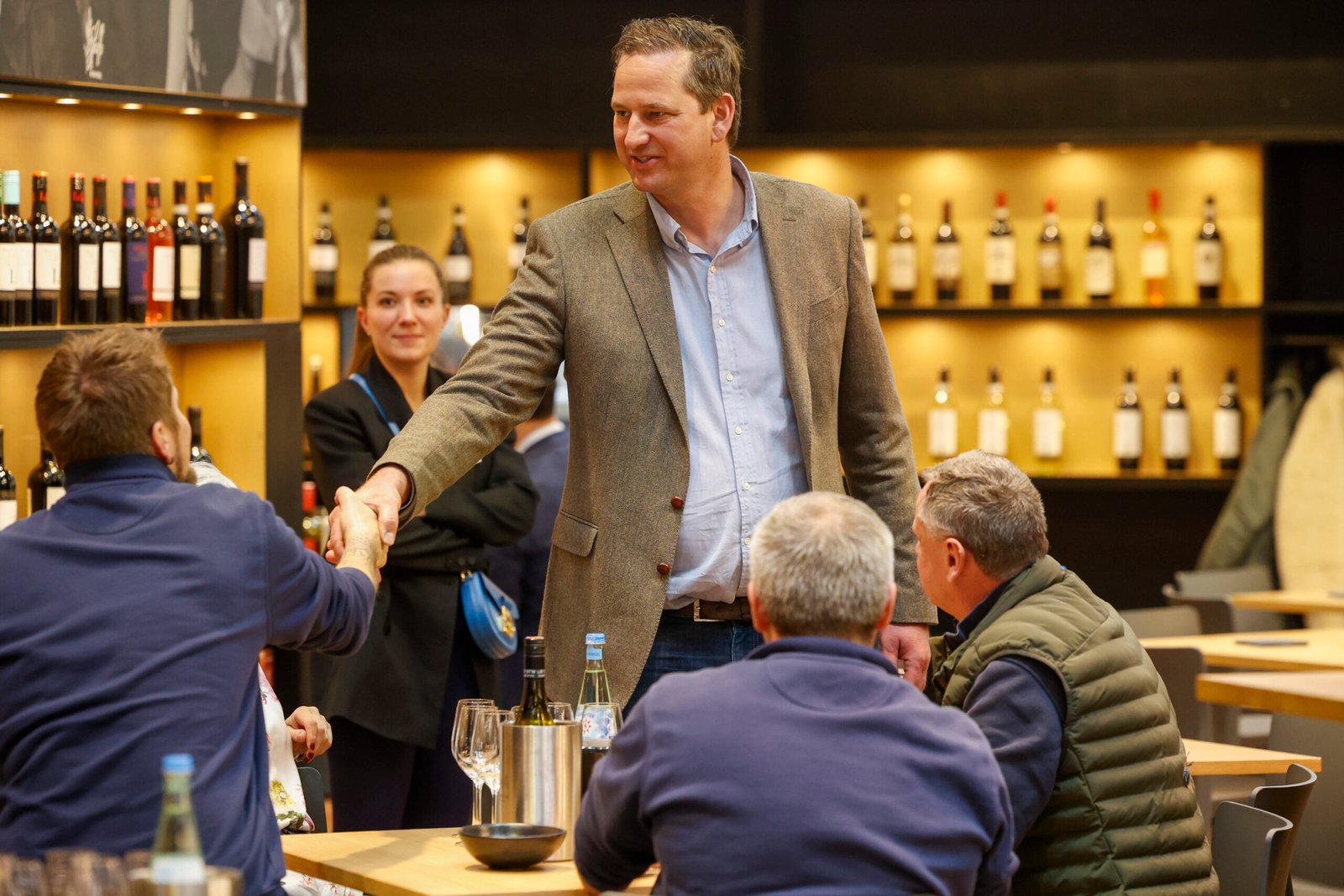
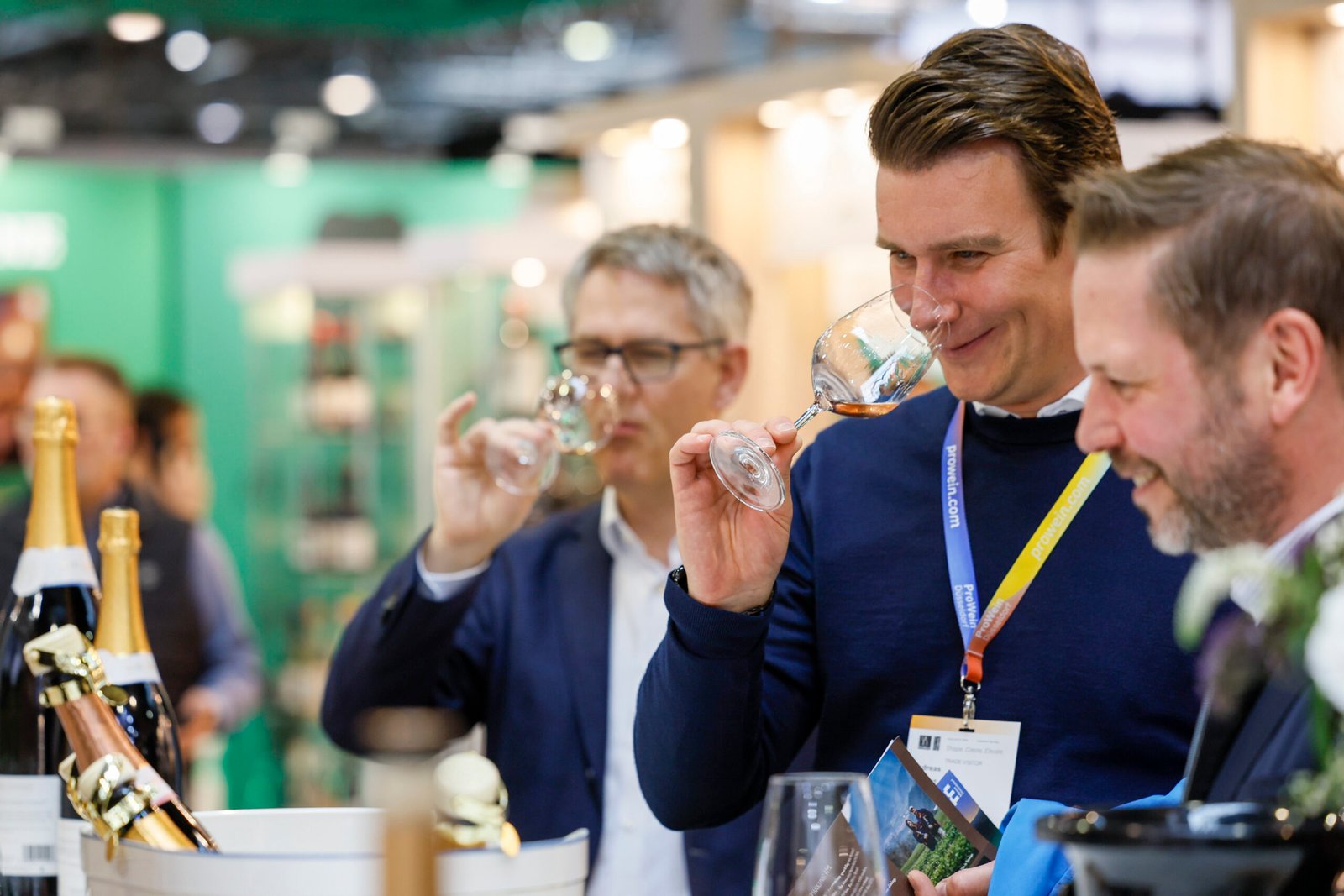
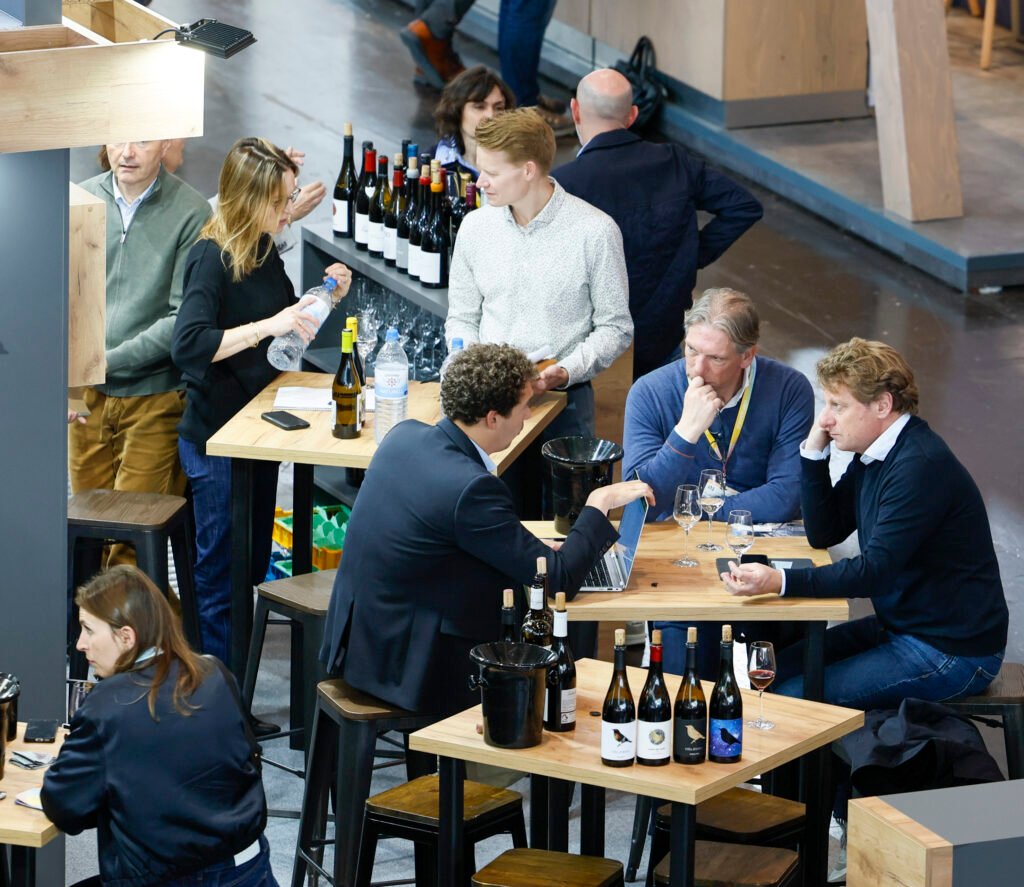
It seems that the attendees and visitors from Germany were particularly and patriotically satisfied by the Messe this year. Their social media posts are unanimously positive. Many described ProWein 2026 as more “cozy” and “relaxed.”
“Despite the challenging market situation, the mood was unexpectedly good. Not too crowded, but not empty either,” comments Brensing. “A lot of people doesn’t necessarily mean good business, as one producer wisely told me on Tuesday. My take: ProWein is no longer the world’s largest wine fair, and perhaps that’s a good opportunity. It can now reinvent itself. Innovation often comes under pressure in tough times.”
Dr. Matthias Neske, wine expert and analyst from Bamberg, Bavaria, sees it similarly: ProWein 2026 reflected the overall diversity of the wine industry. There were fewer “casual” visitors, but more major buyers, and strong deals were struck. “In some halls or at certain booths, without the usual foot traffic or the ‘magnet effect,’ things looked a bit sad, but that’s always been the case,” says Neske. “The fair’s more compact format, thanks to fewer exhibitors, definitely worked in its favor. In terms of offerings, ProWein still remains thoroughly international.”
“It was a good fair for us,” says Krister Bengtsson, founder of the Star Wine List, a well-established international platform for discovering great wine bars and wine restaurants. “We knew from the start it would be quieter than in previous years, but the slower pace actually made it easier to have meaningful partnership talks. I was glad to take part in the Agora discussion panels. We’ll see what next year brings, but with Wine Paris also getting very popular and busy I believe there’s space in the market for both fairs.”
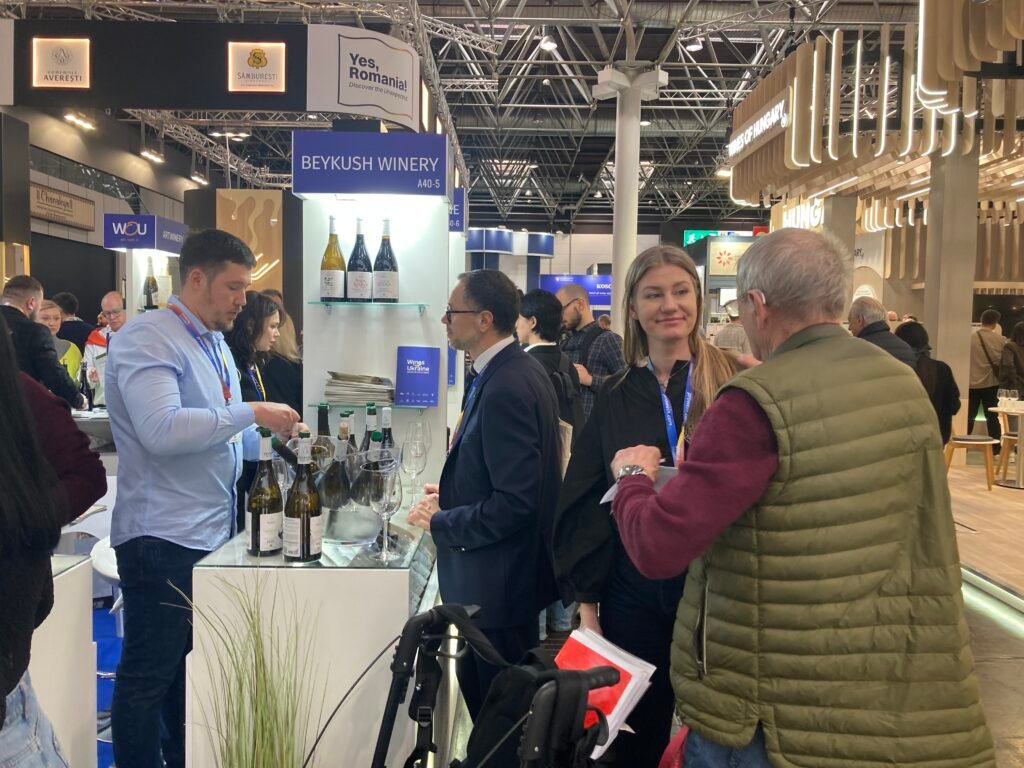
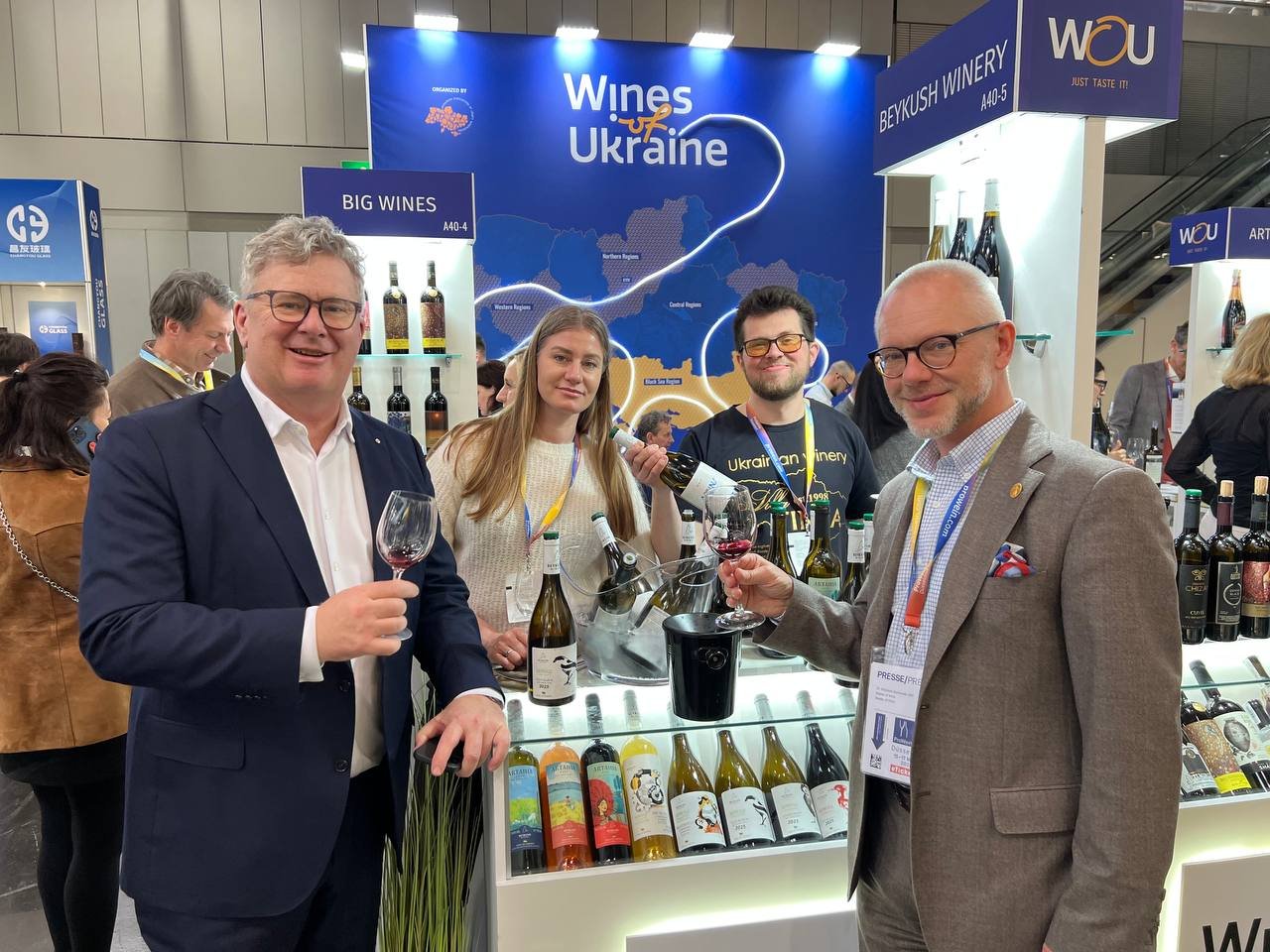
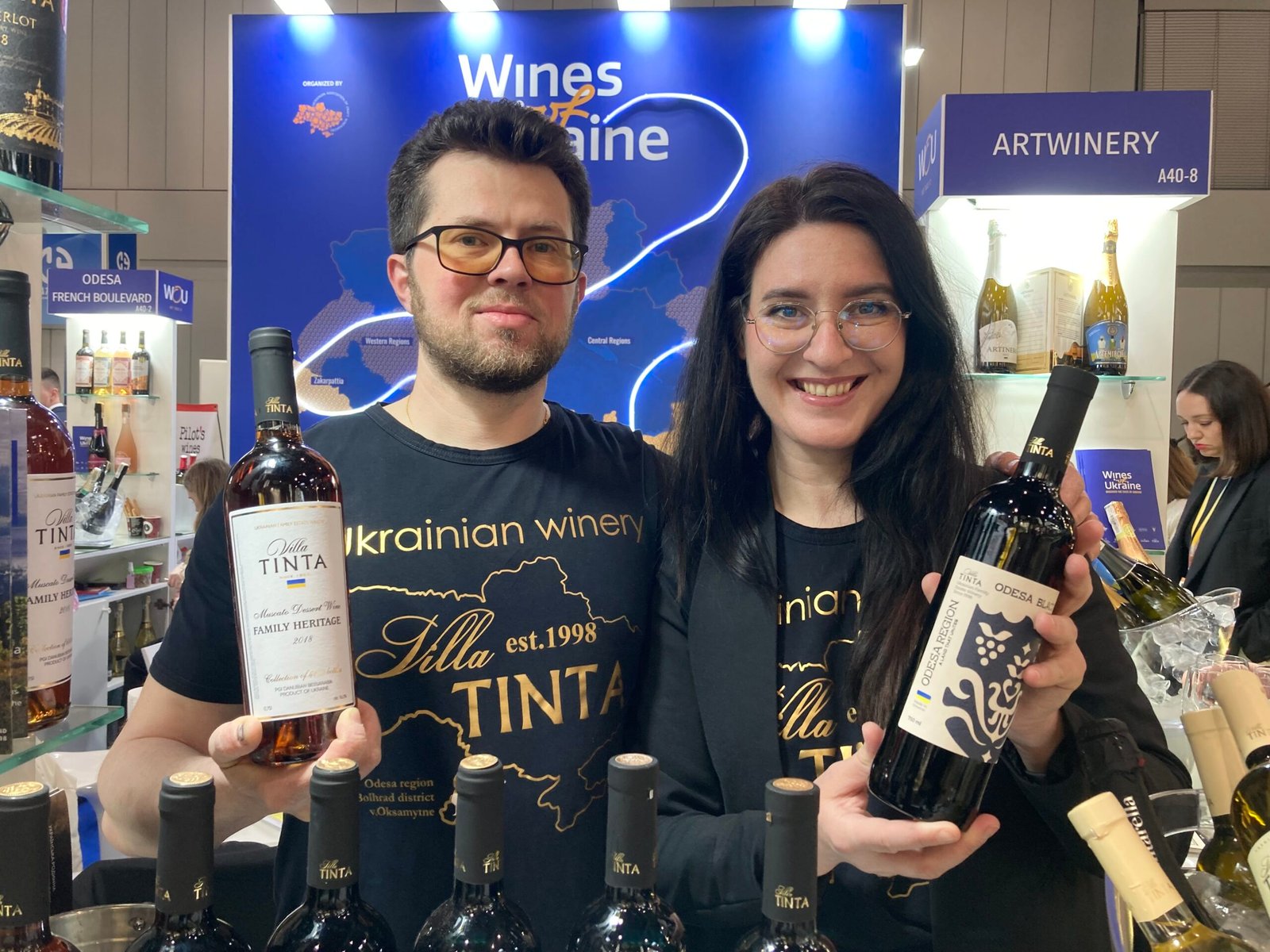
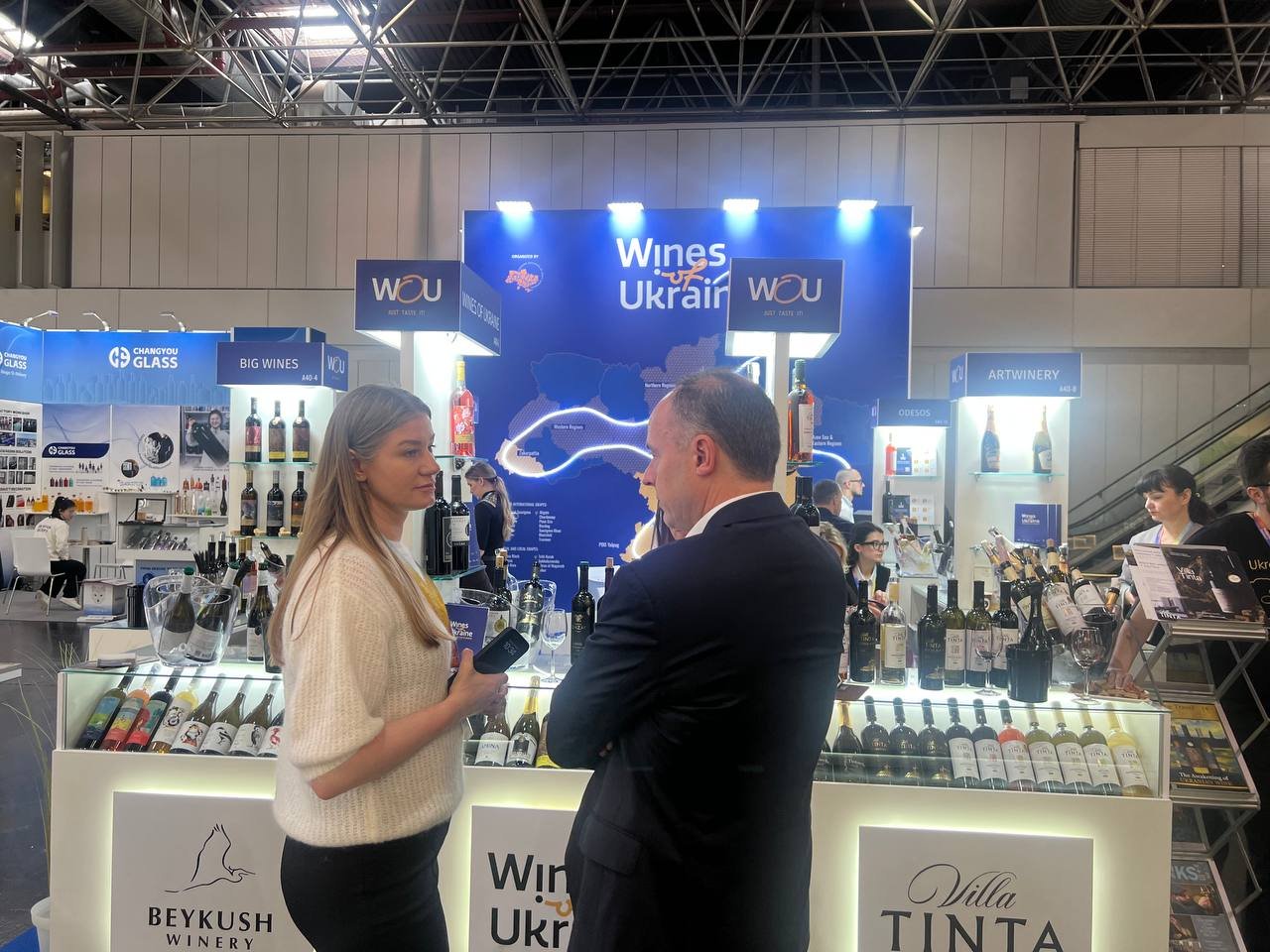
Quantity doesn’t always mean quality, as winemakers and distillers at the Wines of Ukraine stand were once again reminded at ProWein 2026.
Svitlana Tsybak, CEO of Beykush Winery and Chair of the Association of Craft Winemakers of Ukraine, was pleased with the outcome: “It was a good ProWein for us. We had a steady flow of visitors, mostly from the Nordic markets, as well as the UK and Poland. We also held many meetings with buyers from the Netherlands – that was particularly encouraging.”
Nataliia Burlachenko, CEO of Big Wines and 46 Parallel Wine Group, notes that this year’s exhibition felt calmer than previous editions: “Most of our conversations were with existing contacts. Among the new ones were importers who already work with other Ukrainian producers and are looking to expand their portfolios. We felt growing interest from our neighboring countries – Poland, Hungary, Moldova, Romania. I hope this kind of communication will help strengthen ties between us.”
Natalia believes it is crucial for Ukrainian producers to take part in major industry events like ProWein: “Our presence at this year’s joint Wines of Ukraine stand opens the door to international dialogue and collaboration, giving producers a space to articulate their position, present their vision, and highlight the identity of Ukrainian wine, from local to international varieties.”
Alina Tintulova, co-owner of Villa Tinta, shares her impressions: “Compared with previous years, the fair felt almost half the size. Still, this time we saw more owners of specialty wine shops and enotecas from Germany – they’re actively looking for something new, authentic, and high-quality from Romania, Moldova, Bulgaria, Ukraine, and Georgia. We also appreciated the chance to speak calmly and constructively with our importers from Sweden and Norway and to introduce them to colleagues at the stand: consolidated shipments are far more efficient for both importers and producers. Overall, the three days were dynamic.”
For the Odesa-based brands of still and sparkling wines French Boulevard and Odesa, ProWein 2026 was their debut appearance – and a valuable one. “The stand drew a wide range of visitors, from importers and distributors to HoReCa representatives. We made several genuinely promising contacts for future cooperation. The overall organization felt strong, and international interest was clear. Our impressions are very positive – it’s an excellent platform for growth and new opportunities,” says the company’s marketing manager, Yelyzaveta Hryntsova.
Some participants from other countries also describe this year’s experience as positive. “ProWein today is no longer about trying to taste everything,” reflects Roman Rotaru, President of the Moldovan Sommelier Association. “It’s about understanding whom you want to move forward with. What matters most is that the quality of dialogue has improved. Less noise and fewer crowds, more substance. Fewer random tastings, more meaningful meetings.”
For Yevgenia Nikolaichuk, wine projects manager at Silpo, Ukraine’s most progressive and significant retail chain, this year’s ProWein was one of the most pleasant yet: no queues, easy access to stands, and the ability to speak with producers without even having to book a meeting. But there was a downside. “Unlike in previous years, the number of producers was significantly smaller, which reduced the event’s effectiveness for us,” she says.
Olga Zoria, co-founder of Bandura Selection wine agency, also appreciated the increased breathing room this year. “For buyers, everything was convenient. But some major players noted that if you’re looking for something new, you’re unlikely to find it, since most of the exhibitors were already well-known producers with the budgets to participate. Even so, many buyers appreciated the chance to talk calmly with everyone they were interested in, and many visitors said they’re ready to return.”
For participating winemakers, however, the picture looks a bit different. “Spanish and Italian producers aren’t very eager to come back – which isn’t surprising, since they have their own major international fairs,” Olga explains. “Friends of mine in the non-alcoholic segment said it was good, but the prices were far too high. And everyone, really, is talking about the prices.” In her opinion, ProWein remains highly professional and sharply focused on what actually matters in the industry. “But if winemakers stop coming because of the high costs, buyers won’t come either. This is something the organizers need to rethink.”
Like many other visitors, Olga believes Düsseldorf has become a debatable location for an event of such international scale, especially given the rise of major wine fairs in tourist capitals like Paris and Barcelona.
In short, both ProWein and the industry as a whole are headed for further change. The challenges remain serious, and we sincerely wish the organizers the clarity to absorb this year’s lessons, the courage to make tough decisions, and the success needed to shape a renewed format for the world’s leading wine and spirits event.
⇒ Join our social networks ⇒ Optimistic D+ editors will take this as a compliment.
⇒ Every like is taken as a toast!
23.03.2026