На сайте используются cookie файлы
The site uses cookie files
Данный сайт имеет возрастное ограничение!
This site has age restrictions!
Я подтверждаю, что мне, увы, уже давно исполнилось 18 лет

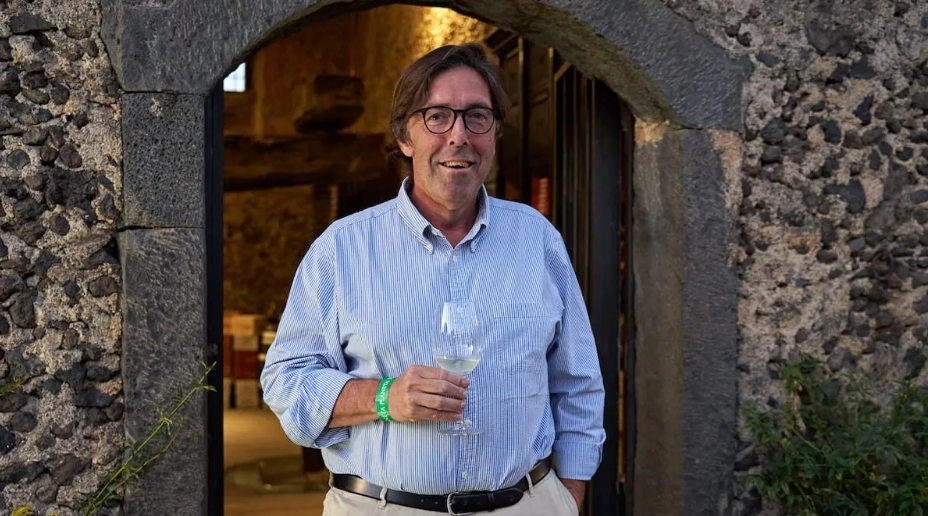
A slightly adapted line from Johann Wolfgang von Goethe’s travel diary Italian Journey (1787) sets the tone for the conversation. Goethe’s original reads: “To see Italy without seeing Sicily is not to see Italy at all, for Sicily is the key to everything.” This phrase, in turn, becomes the key to the interview that journalist Lena Demme conducted with Alessio Planeta, President of the Sicilia DOC Consorzio.
Drinks+ Dossier
In late May 2026, Sicilia DOC returned to London Wine Fair with a distinctly sharpened and confidently curated producer programme. The Consorzio showcased a focused selection of wines at its stand, placing particular emphasis on the island’s hallmark indigenous varieties – Frappato, Catarratto (Lucido), Grillo and Nero d’Avola, all of which have been gaining notable traction on the UK market. Seven wineries poured their wines at an open tasting bar, offering professionals a concise yet illuminating snapshot of the appellation’s stylistic breadth.
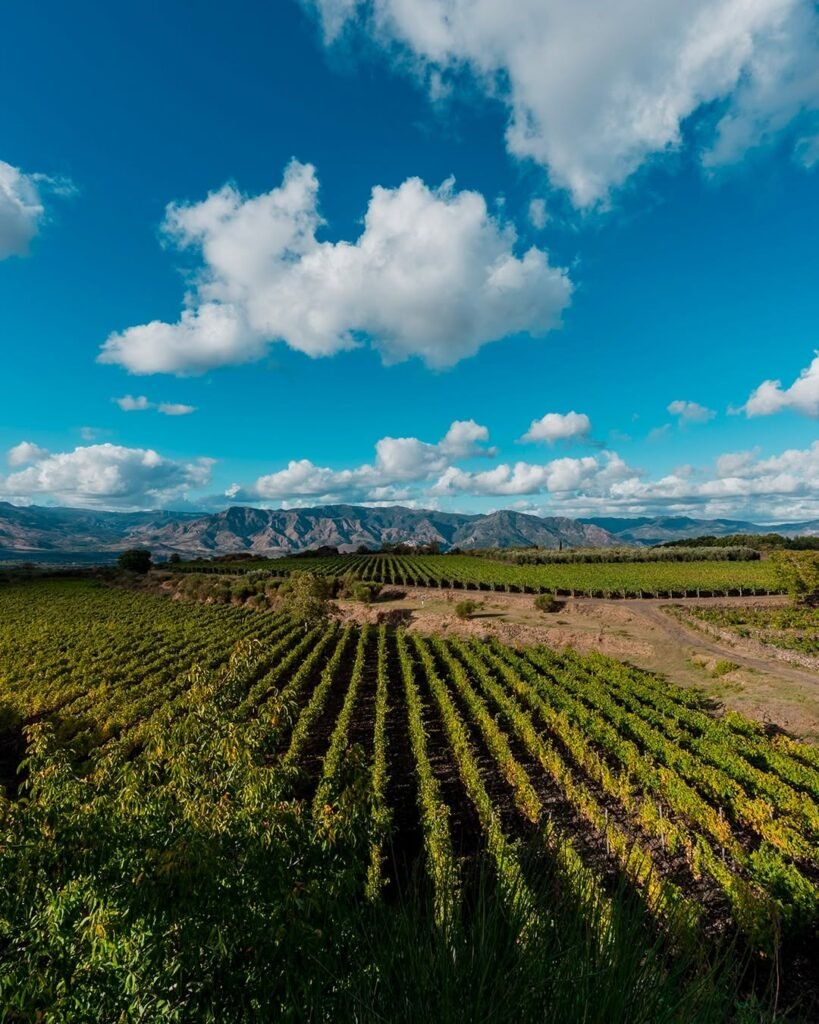
Against the backdrop of rising interest in Sicilian wine – fuelled both by the cultural ripple effect of White Lotus and the growing popularity of lighter, chillable reds – the Consorzio aimed to deepen the trade’s understanding of provenance, style and quality. Sicilia DOC has been steadily reinforcing its position as a benchmark of authenticity and sustainable viticulture, representing nearly 8,000 growers and the largest organic winegrowing area in Italy.
This year’s participation also marked the first public appearance in the UK of the newly elected President of the Consorzio, Alessio Planeta. During the London Wine Fair, a Drinks+ columnist had the opportunity to interview Mr Planeta.

D+: You became President of Sicilia DOC in April 2026. What are your priorities?
A.P.: The strategy is continuity with a long-term vision: to strengthen Sicilia DOC internationally. Sicily already has a strong image and story, but the next phase is converting reputation into market presence. Three priorities define this phase. First, tourism: more visitors are discovering Sicily and wine can become part of that experience. Second, sustainability: Sicilia DOC represents Italy’s largest concentration of sustainable viticulture, and we need to communicate that more effectively. Third, identity: Sicily is a mosaic of varieties, terroirs and styles. That complexity is our challenge, but also our opportunity.
D+: Why highlight Grillo, Nero d’Avola, Frappato and Catarratto or Lucido?
A.P.: Grillo and Nero d’Avola remain our ambassadors and deserve wider recognition internationally. At the same time, Sicilia DOC cannot rely on only two grapes.
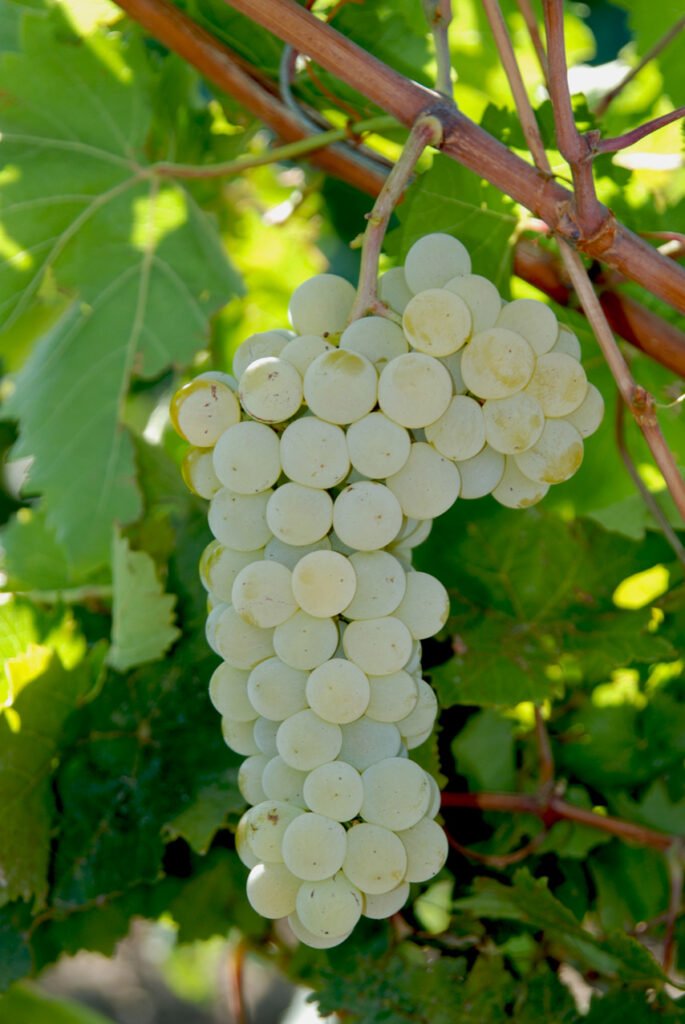
Frappato represents a lighter, aromatic and contemporary red profile. Catarratto, known also as Lucido, its synonym, shows versatility and freshness across different growing conditions. The goal is to broaden the portfolio and present Sicily as a complete wine culture rather than a single style. The strategy is to do flagships – one white and one red – that represent, for different reasons, the bread and butter, as they say. Something established. Grillo is, I think, one of the more important white Italian grapes that is still not well known. It is a great grape that brings you immediately to a glass of wine on the beach. Aromatic, with good acidity, versatile – you can make different kinds of wine with it, with good potential. If we worked with Grillo the way Sicily has, we could put it alongside Vermentino, or other whites that are doing very well today.
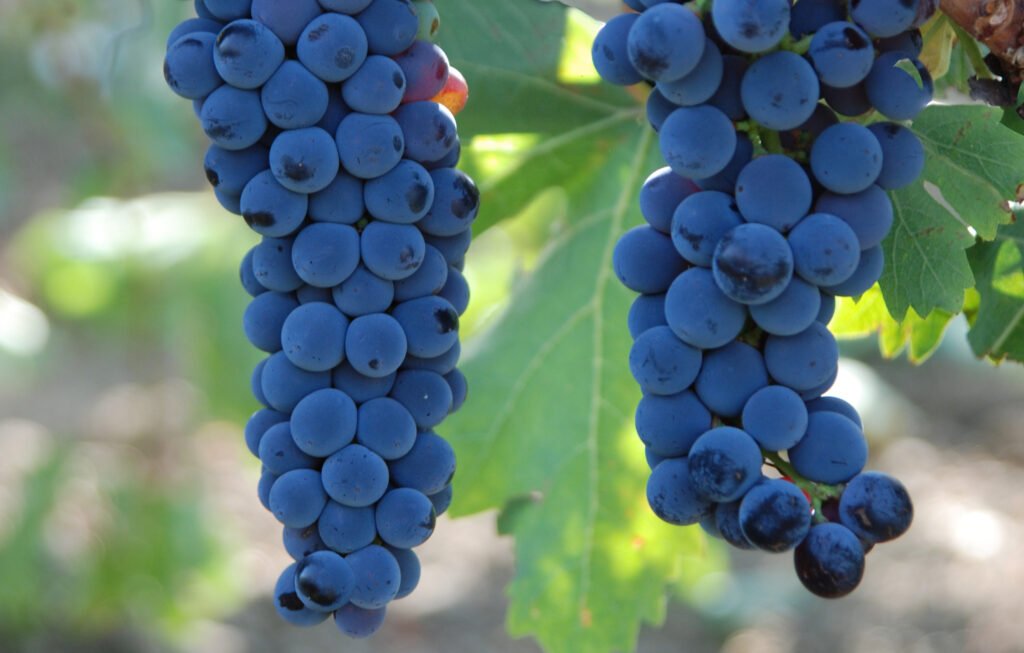
Nero d’Avola was the first Sicilian grape that became part of the Italian red national team – with Sangiovese, Aglianico, Nebbiolo, Montepulciano. It grows in different areas of Sicily and gives different styles of wine.
But on the other side, specific areas of the island do the best with other grapes. Frappato is a super interesting variety – I think the most aromatic red grape that I know. The best ones are full of bouquet, with flavours, not too much alcohol. It can be a very contemporary variety.
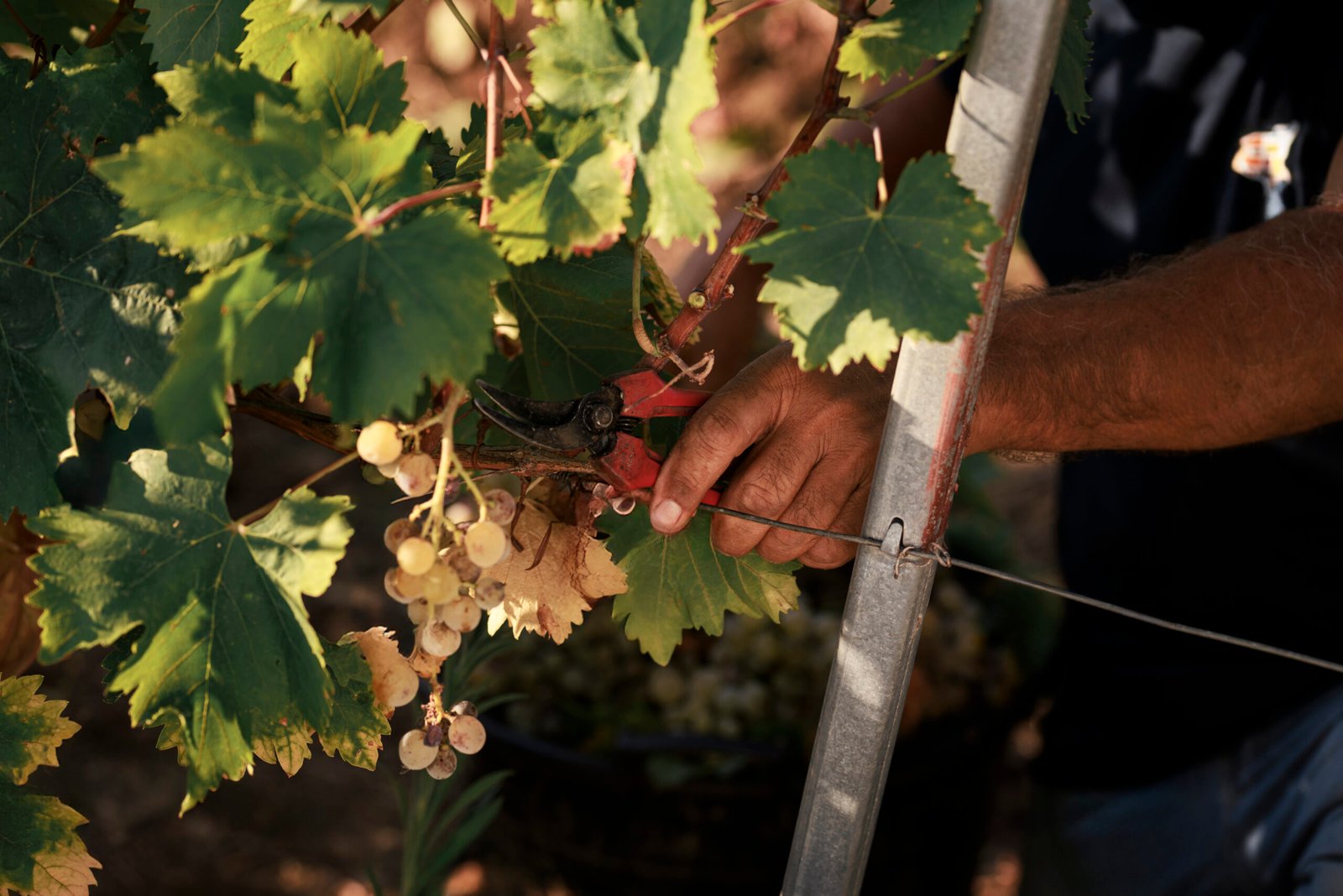
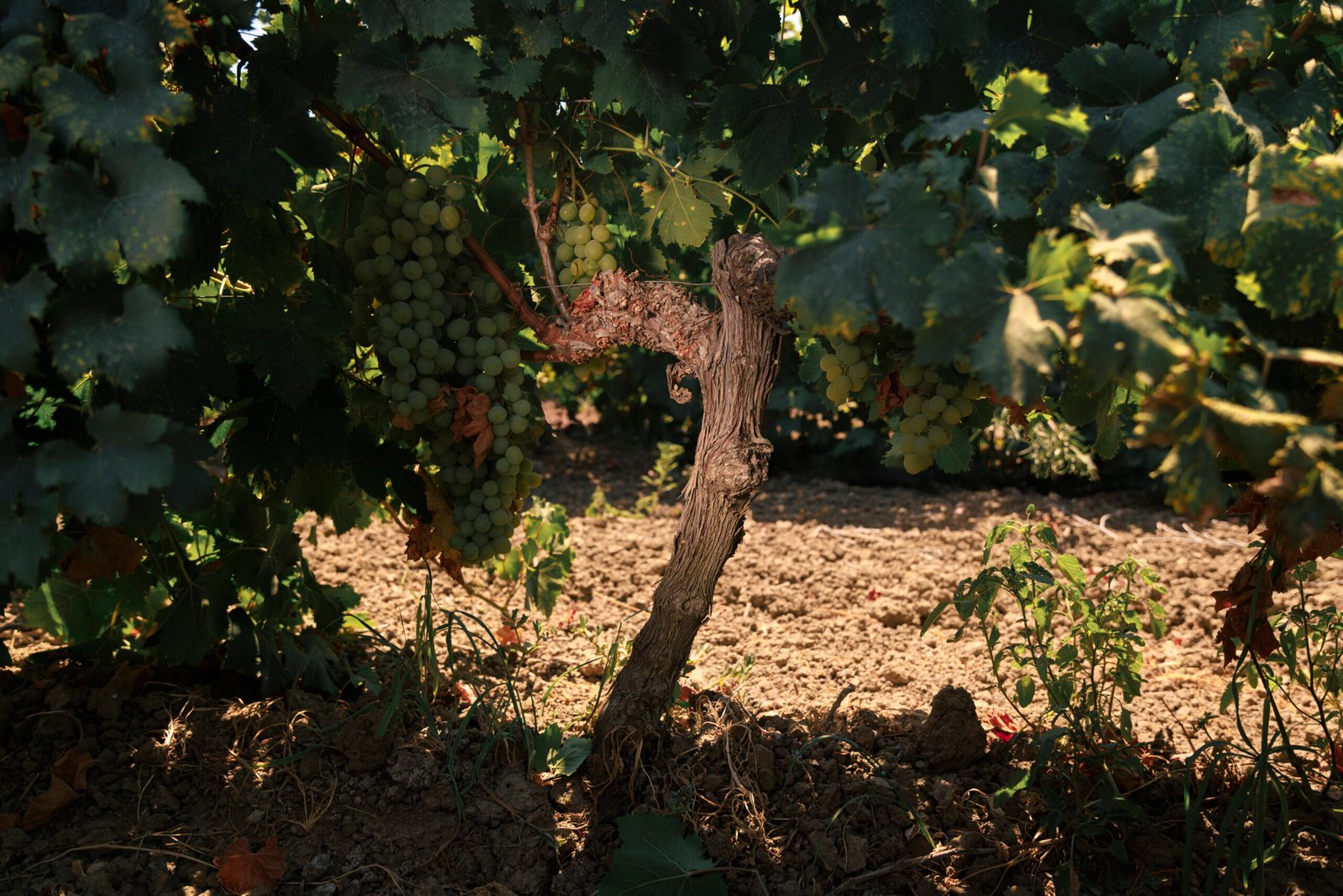
And then we have grapes that could be considered geek grapes – for people who want to be the only one who knows the variety, the only one who has made wine from it. Like Perricone. Like many others. The other important one in terms of acreage is Catarratto – we can also call it Lucido, which is a bit easier to pronounce, especially for some markets. It grows from the coast to the mountains, holding its acidity. Some producers in the last few years are making really surprising wines from it. So there is a mosaic of varieties that we try to promote through the Consorzio.
D+: Where does Sicilia DOC need to evolve over the next decade?
A.P.: Quality must come before volume. Sicily cannot compete in a global price race; it has to compete through quality and value. We also need to continue opening the portfolio and giving visibility to varieties with strong identity and contemporary relevance.
D+: Which markets matter most today?
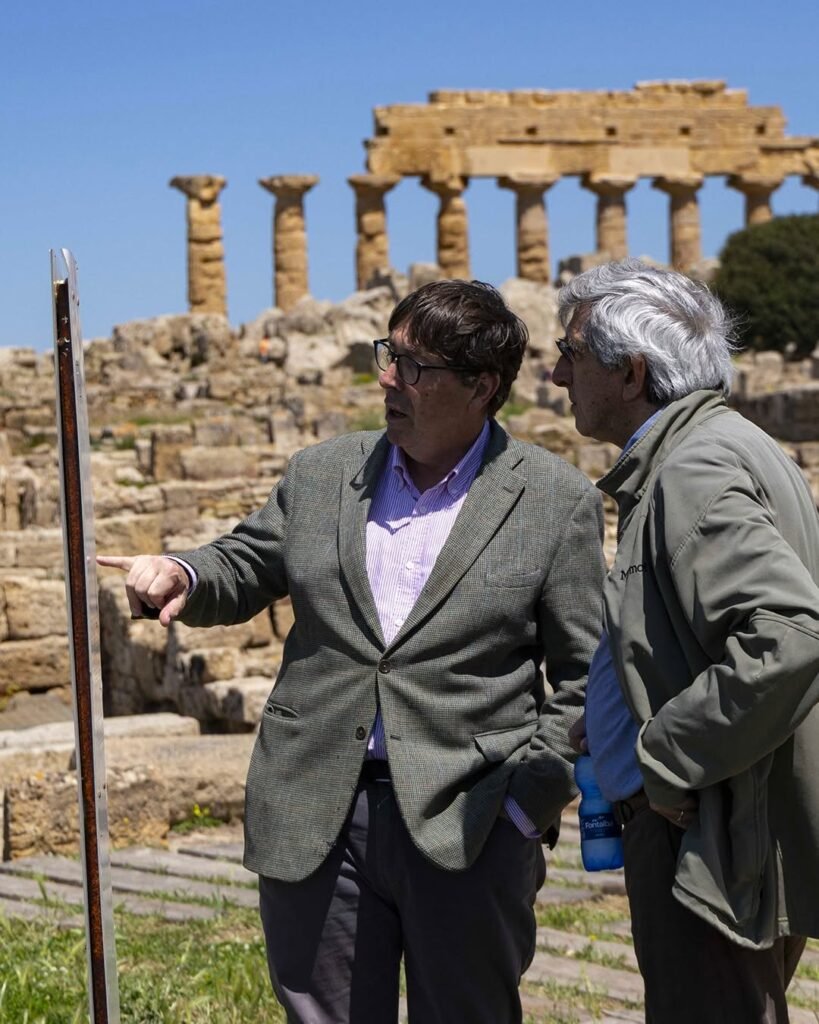
A.P.: Europe remains central, especially the UK, Germany and Switzerland. North America continues to be strategically important, and Japan has a strong cultural connection with Sicily. Our role as a Consorzio is twofold: support producers and strengthen the reputation of Sicilia DOC globally. But I will use a phrase: if you want to understand Italy, you have to understand Sicily. So any market that loves Italian wine – they may start with Tuscany, with Piedmont, but they will arrive at Sicilian wine, because it is part of the Italian style of life, an important part of it. Germany is a good market for us. The UK, of course. America, again – eventually. And Asia: Japan is an important market. The Japanese have a relationship with Sicily through culture, through food – there are many Sicilian restaurants in Japan, which is unusual for Italian restaurants generally, but there it works.
Europe historically is still the strongest. Switzerland works very well for Sicilian wine. Canada – very well. China is harder to read at the level of the whole Consorzio; for a single producer, it works in some restaurants, in some segments. There are real wine lovers in China – people who travel to every wine event in the world, who know remarkable amounts.

D+: Sustainability is already a strength. What comes next?
A.P.: Sustainability must move beyond certification into communication and credibility. Through SOStain, Sicily developed a rigorous framework that looks not only at vineyards but also at carbon, water, packaging and broader agricultural responsibility. Mediterranean conditions naturally support sustainable viticulture, but consumers do not yet associate Sicily with sustainability. Closing that gap is one of our priorities.
D+: What are the three biggest challenges ahead?
A.P.: First, compete on quality rather than price. Second, expand the varietal conversation beyond the established ambassadors. Third, own the sustainability narrative. If Sicilia DOC succeeds in these three areas, the next decade could become the most important in its history.
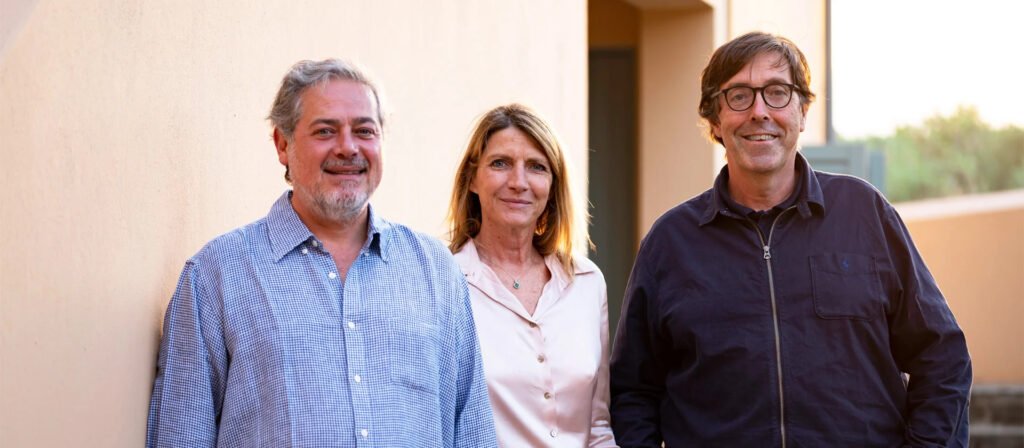
Interview conducted at London Wine Fair, Olympia London, May 2026.
⇒ Join our social networks ⇒ Optimistic D+ editors will take this as a compliment.
⇒ Every like is taken as a toast!