Внимание!

На сайте используются cookie файлы

The site uses cookie files

Данный сайт имеет возрастное ограничение!

This site has age restrictions!

Я подтверждаю, что мне, увы, уже давно исполнилось 18 лет
I confirm that I have 18 years!
Persha Gildiya
Persha Gildiya Vodka

Gastronomy and Wine Portal

Австрія

Austria. Environmental consciousness

02.06.2026, News
Austria is a country that places great importance on environmental protection and the responsible use of natural resources. It comes as no surprise, that Austria is a world leader in environmentally conscious viticulture.

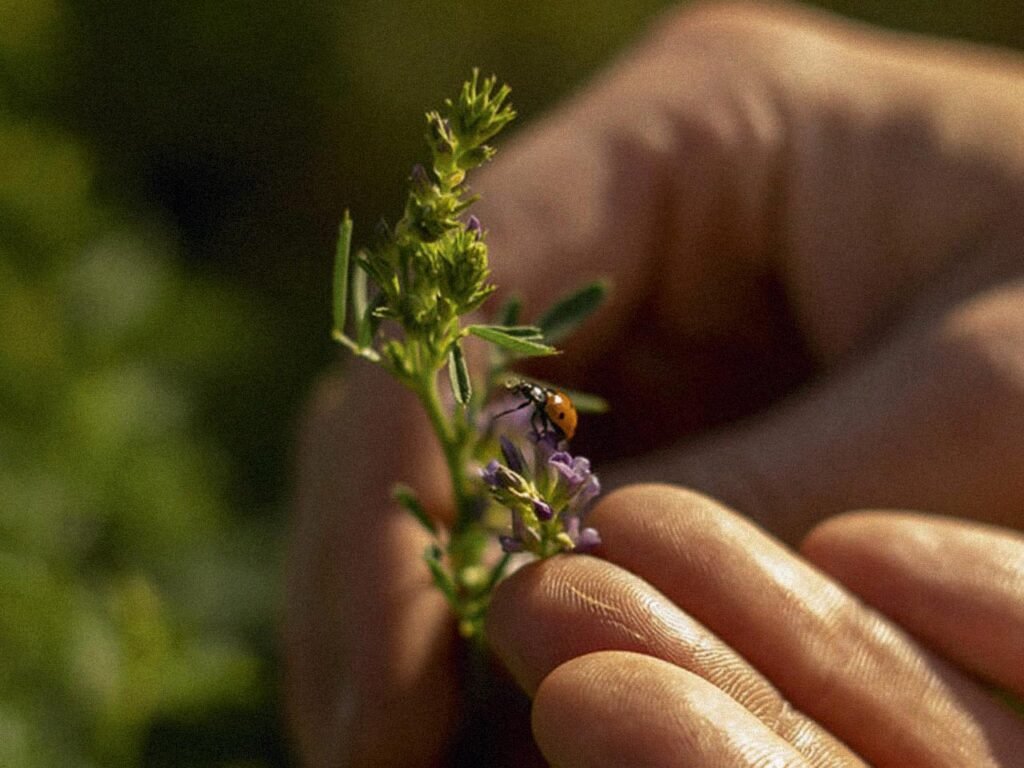
A natural affinity with nature

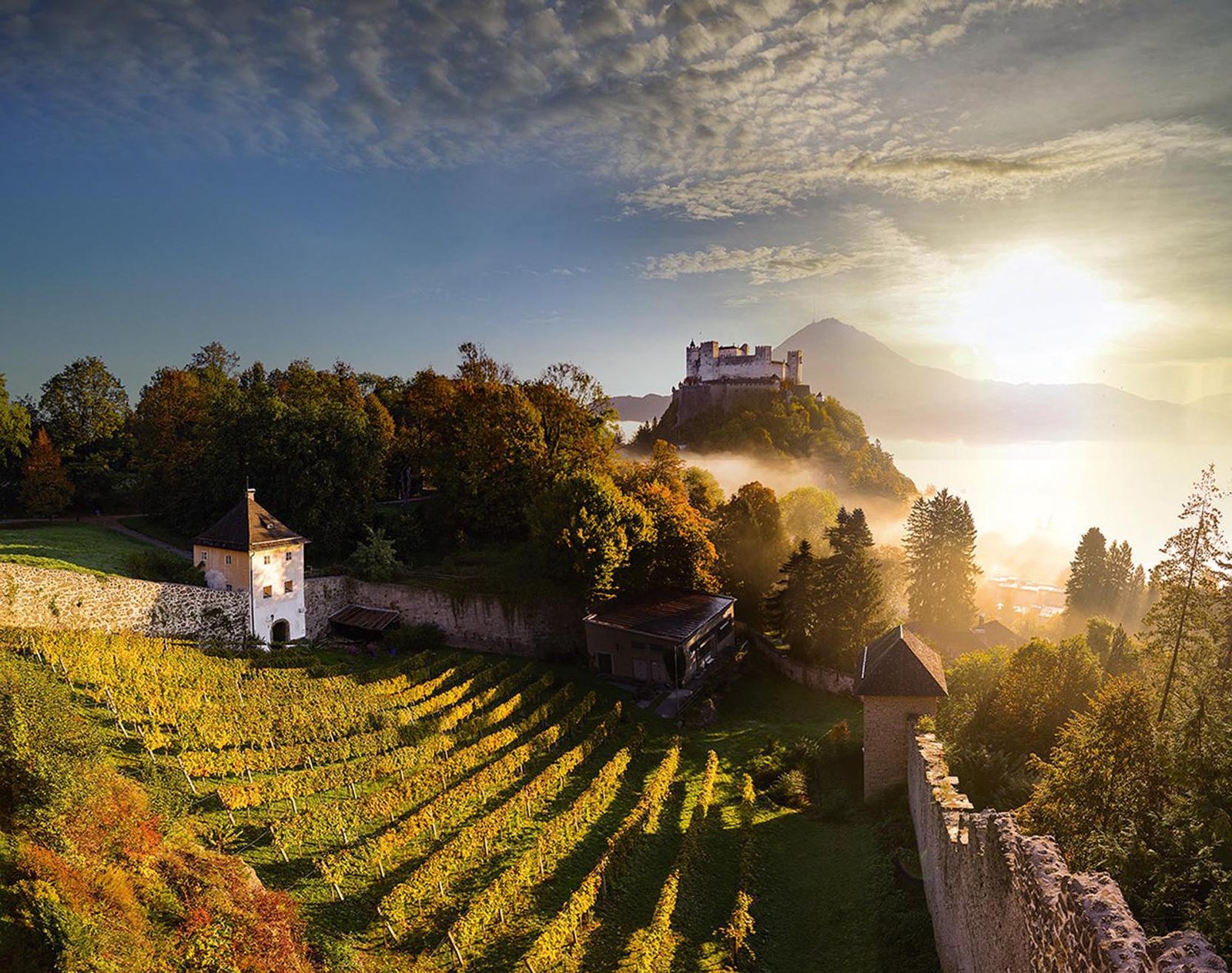
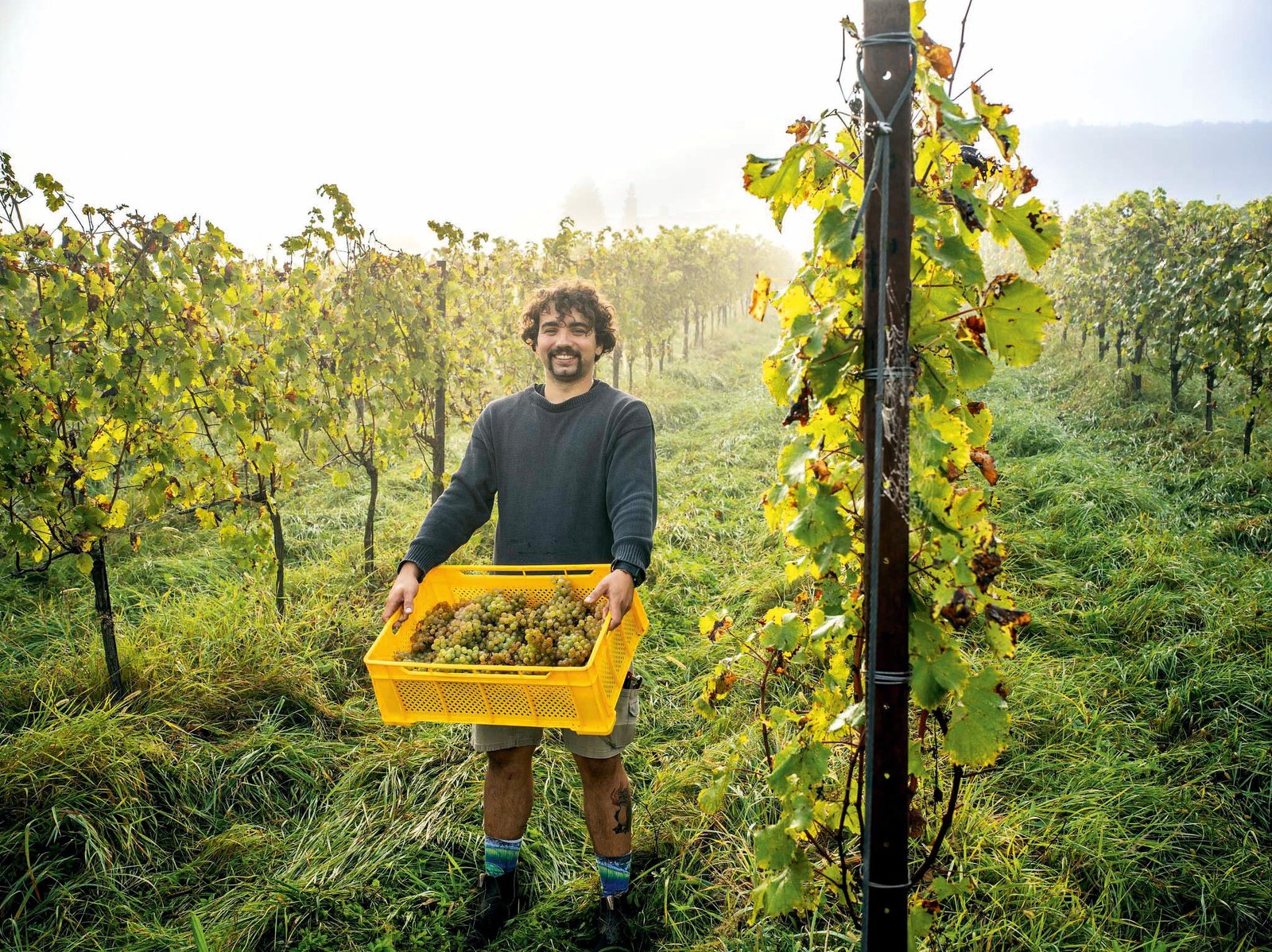
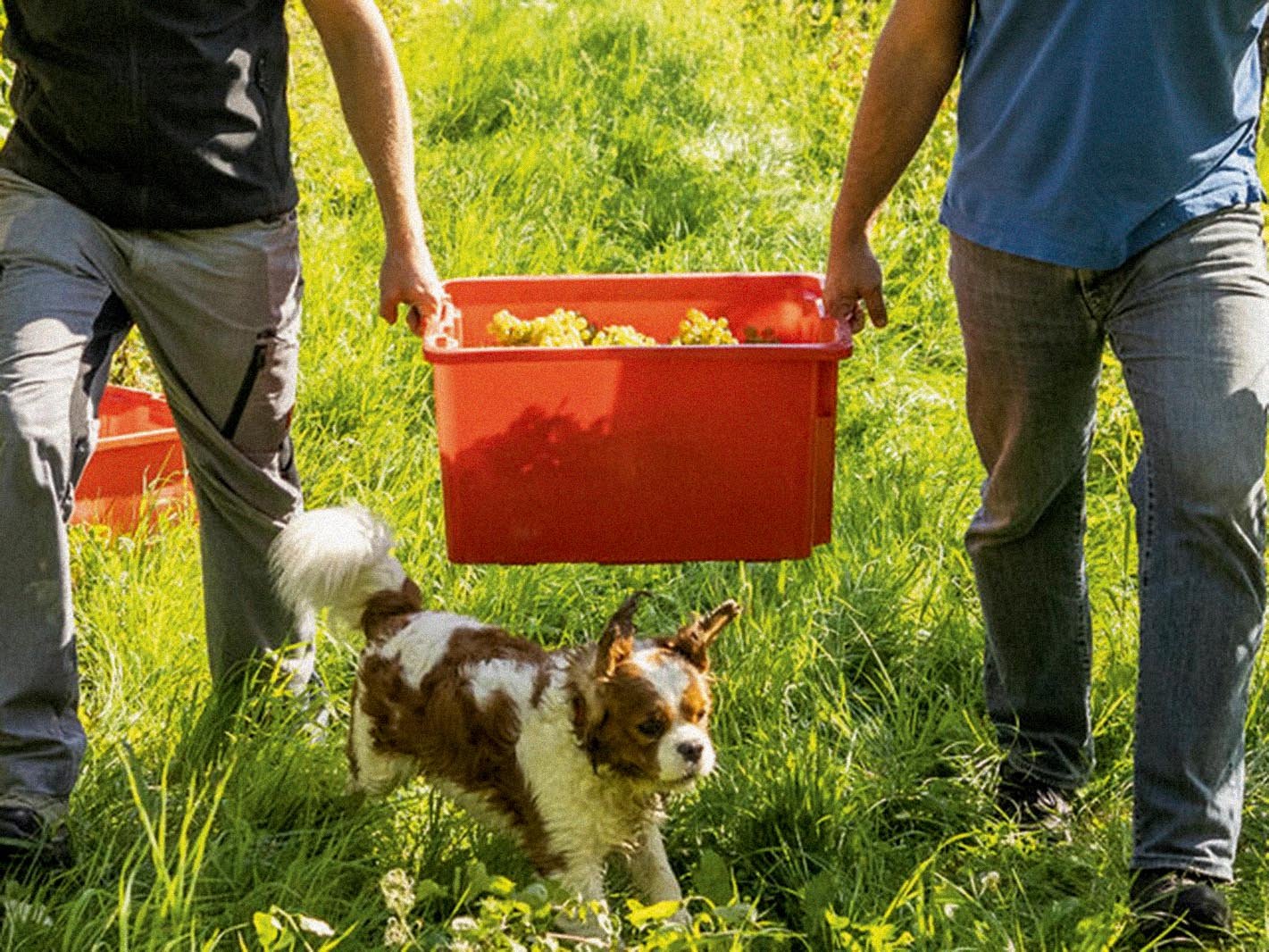
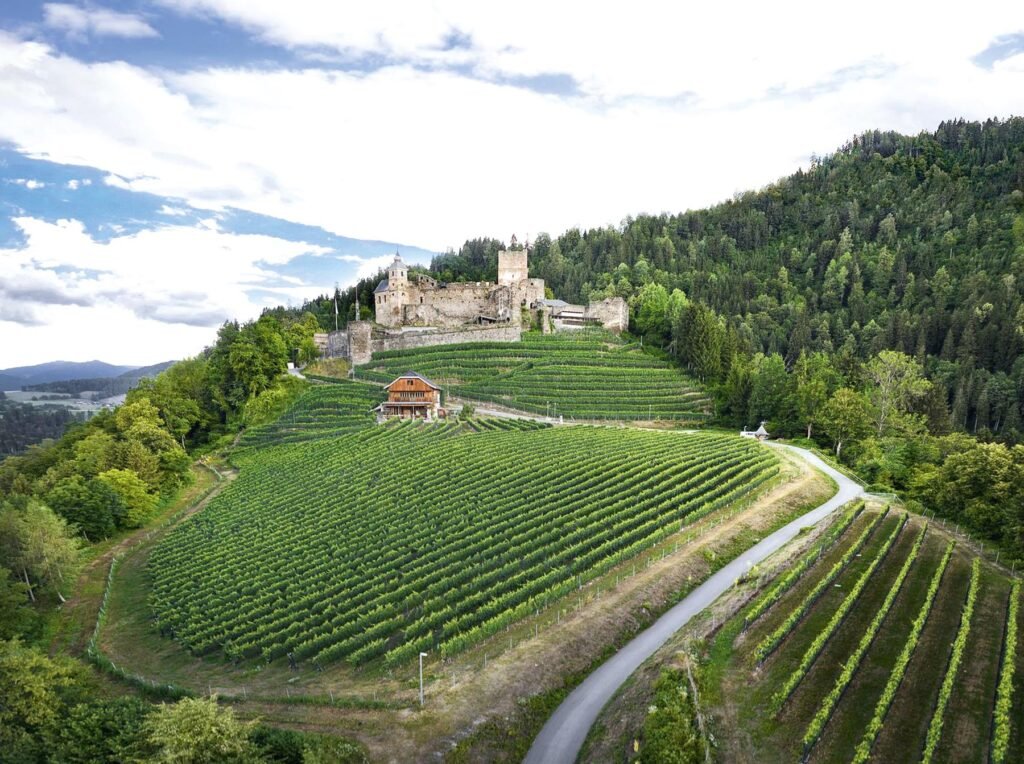
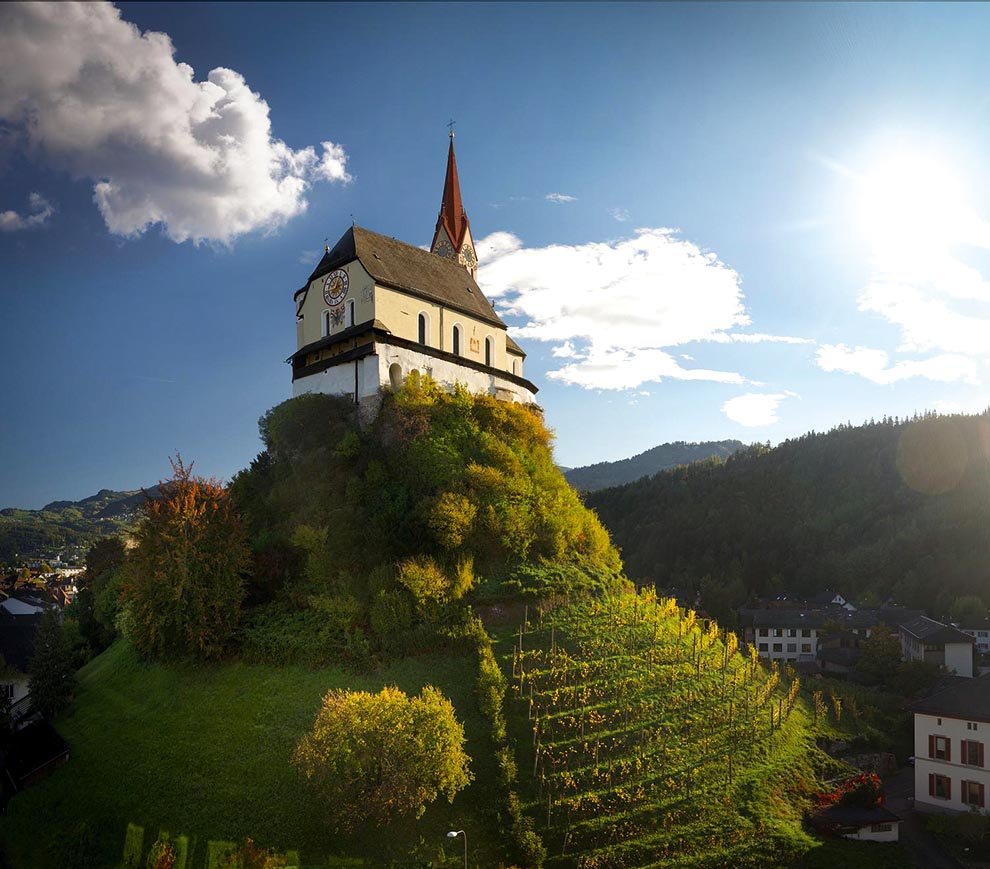
The fact that Austrian family-run wineries are traditionally small has always required that vineyards be worked hand in hand with nature. On average, an Austrian wine producer only cultivates around 4 hectares of vineyards, and some of these are on steep slopes and terraced. Here, there is no other option but to work by hand, in sync with the existing resources. The natural consequence of this for small vineyards is increased biodiversity, in contrast to the monocultures of large vineyards in other wine-growing countries. Cultivating vineyards with respect to nature is not a new trend in Austria – it has a deeply rooted tradition.

Family-run wineries fit for the future
The Austrian wine-growing industry is characterised by vineyards worked by several generations. A total of 95% of Austria’s wineries are family-run. Wineries that have already passed down through many generations consistently carry out work by hand and use natural resources responsibly. This approach to wine production also enables carefully devised and sure-fire strategies to be put into place to counteract the effects of climate change. This ensures that the grandchildren of today’s winegrowers will inherit vineyards with immaculate soils and resistant vines.
Environmentally focused subsidy programmes
The agri-environmental programme ÖPUL is an Austrian initiative derived from the implementation of the EU’s Common Agricultural Policy. Over 80% of all farmers currently participate in ÖPUL. Subsidies linked to this programme also ensure a high baseline of environmentally friendly viticultural practices. This, together with certifications such as BIO AUSTRIA and “Sustainable Austria” (“Nachhaltig Austria”), makes sure that the majority of producers implement the most important environmentally friendly measures. ÖPUL is one of the main drivers behind the widespread environmentally friendly practices in Austrian viticulture.
Austria

Verifiable, science-based sustainability

The “Sustainable Austria” (“Nachhaltig Austria”) certification – a comprehensive, science-based programme with quantifiable results – was launched in 2015 with the aim of promoting sustainable farming in Austrian viticulture. This is linked to a unique online tool that evaluates around 380 measures in 9 different areas of sustainability.

Furthermore, the minimum requirements for certification are evaluated and raised on an ongoing basis. In addition, each participating winery receives suggestions on how to improve their operations to become even more sustainable. A total of 28% of Austria’s area under vine is already cultivated according to the measures required for the “Sustainable Austria” certification.

Pioneering organic wine production

Austria was one of the first countries in the world to develop guidelines for organic farming – several years before the first EU organic regulations were introduced. Today, 28% of Austria’s farming industry is organic – ranking second highest in the world,

February 2025). Austria is also home to BIO AUSTRIA, the largest organic farmers’ association in Europe. Its members implement stricter standards for organic viticulture than those contained within EU regulations.

Being the birthplace of biodynamic farming

Biodynamic practices and the founding of the first biodynamic wineries can be traced back to the work of Austrian anthroposophist Rudolf Steiner. The purpose of implementing biodynamic production methods is for a winery to establish its “individuality” – in other words, to create a circular economy that allows the producer to be self-sufficient without the need for external resources. Two associations in Austria – Demeter and respekt-BIODYN – provide members with guidelines on growing wine biodynamically. An organic certification is a requirement. Around 14% of organic vineyards in Austria are already farmed biodynamically, which represents 3% of the total area under vine.

Naturally Austrian: environmental consciousness is part of the Austrian DNA

Austria’s strict wine law and the small size of the country’s (family-run) wineries mean that non-certified producers also strive to ensure a healthy environment in order to secure their future. A healthy ecosystem and sustainable working practices are vital if future generations are to continue bringing authentic Austrian wine onto the market. Taking a look at what is happening in other countries also confirms Austria’s ranking among the global pioneers in environmentally conscious viticulture. Although organic farming exists across all continents, a mere ten countries account for almost all of the world’s organic viticulture (91% of the global area under vine). One of these is Austria, which has over 10,000 ha of organically cultivated vineyards, despite the country having a smaller total area under vine. The share of organically cultivated vineyards as a percentage of total area under vine (25%) puts Austria at the top of the the world’s key wine-growing countries.

The EU regulations on organic farming provide the minimum standards for Austria’s organic legislation, although Austria’s general national legislation already sets high ecological, economic and social standards for all of the country’s producers.


⇒ Join our social networks ⇒ Optimistic D+ editors will take this as a compliment.

⇒ Every like is taken as a toast!