На сайте используются cookie файлы
The site uses cookie files
Данный сайт имеет возрастное ограничение!
This site has age restrictions!
Я подтверждаю, что мне, увы, уже давно исполнилось 18 лет

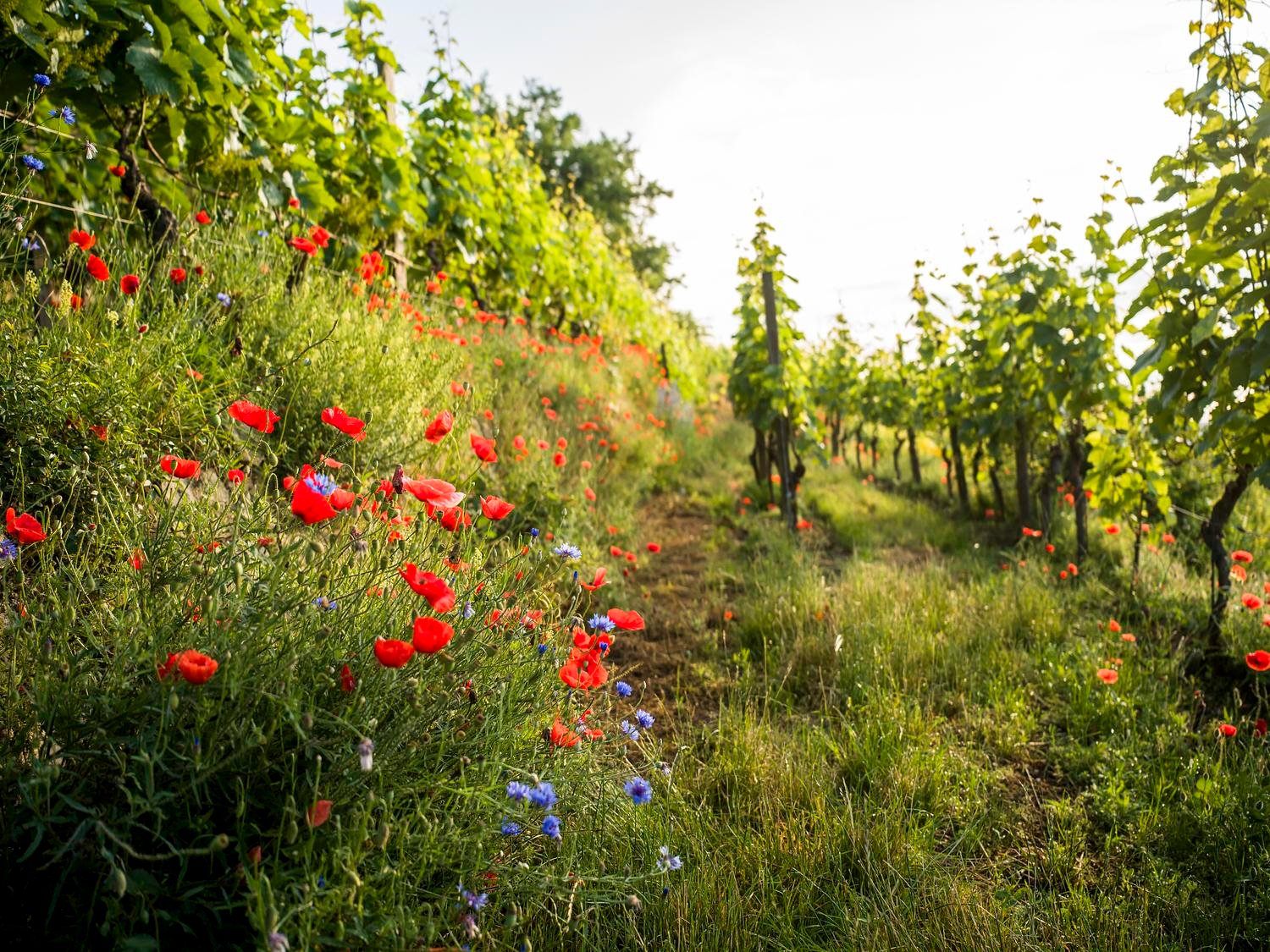
Why drought may shape one of the most striking vintages of the decade.
The 2026 growing season proved a genuine test for Austria’s winegrowers: early budbreak, rapid flowering and record summer heat accompanied by minimal rainfall. Yields are markedly lower, yet the small, concentrated and remarkably healthy berries promise wines of exceptional quality. Drinks+, drawing on information provided by The Austrian Wine Marketing Board (Austrian Wine), explores why these extreme conditions may well deliver one of Austria’s most aromatic vintages in recent years.
The 2026 harvest was shaped by an abrupt rise in temperatures from late April onwards. Budbreak came early, flowering began between late May and early June, and prolonged summer heat accelerated ripening. The main harvest commenced at the beginning of September, and in Seewinkel (Burgenland) it is already close to completion.
Extreme drought reduced yields to around 1.7 million hectolitres, more than 30% below the 2025 level.
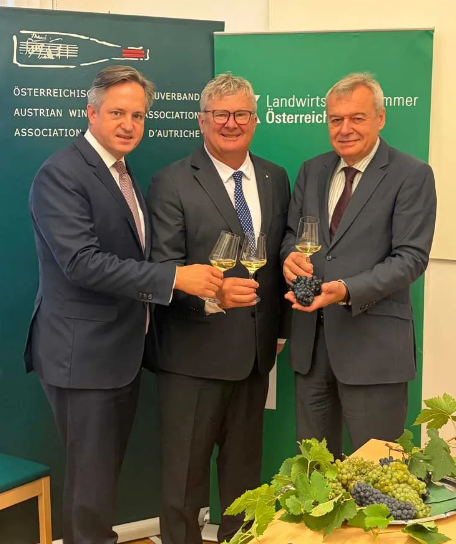
(from left to right): Johannes Schmuckenschlager, President of the Austrian Winegrowers’ Association; Chris York, Managing Director of Austrian Wine; and Josef Glatt, Director of the Austrian Winegrowers’ Association, at a press conference on the 2026 harvest.
“In many respects, 2026 is an exceptional year: early ripening, small berries and low volumes. At the same time, growers are bringing in very healthy, fully ripe grapes. We expect an expressive and aromatic vintage,” noted Johannes Schmuckenschlager, President of the Austrian Winegrowers’ Association.
Despite reduced volumes, the quality of the fruit is striking. Low disease pressure ensured consistently healthy grapes, and the small berry size has become a defining feature of the vintage.
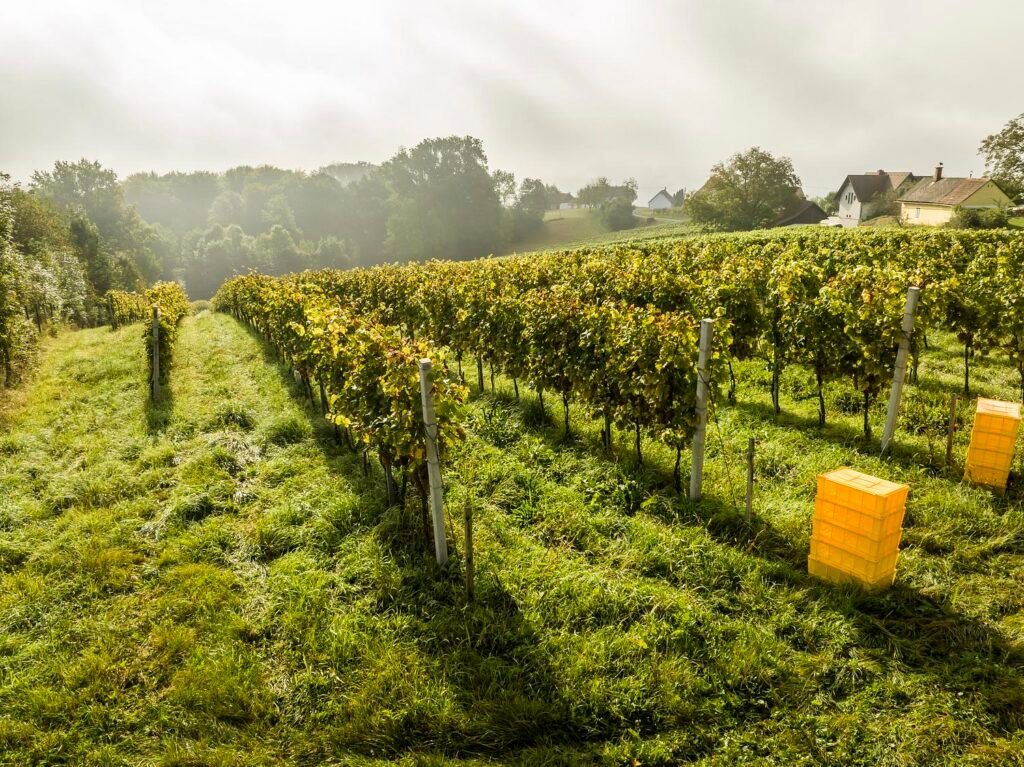
“Small berries mean less juice but a higher concentration of valuable compounds. That’s why we anticipate particularly aromatic and expressive wines,” explains Schmuckenschlager.
The outlook for red wines is especially promising: small, dark, concentrated berries suggest dense, structured and fully ripe wines.
The 2026 season illustrates how climatic challenges can shape a wine’s character:
Even deep‑rooted vines struggled at times. Young vineyards suffered most, and in some cases growers removed part of the crop to reduce stress on the plants. The extent of drought damage varied according to soil structure, water‑holding capacity and vineyard management during dry spells.
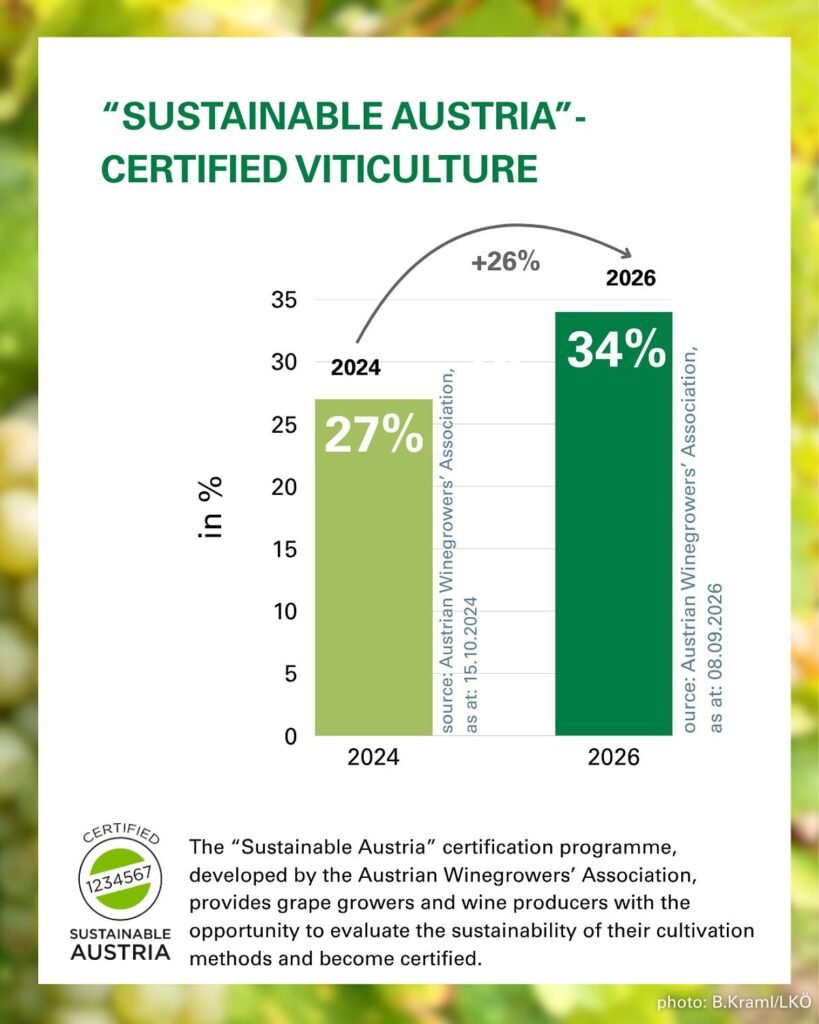
Austrian producers continue to face shifting consumer habits and strong price pressure. Yet their enduring advantage lies in consistent quality, artisanal production and environmental responsibility. These factors allow Austria to remain competitive and expand exports even in challenging years.
⇒ Join our social networks ⇒ Optimistic D+ editors will take this as a compliment.
⇒ Every like is taken as a toast!
Photo: © Austrian Chamber of Agriculture / Siegl and © Austrian Wine / www.pov.at
18.09.2026
14.09.2026