На сайте используются cookie файлы
The site uses cookie files
Данный сайт имеет возрастное ограничение!
This site has age restrictions!
Я подтверждаю, что мне, увы, уже давно исполнилось 18 лет

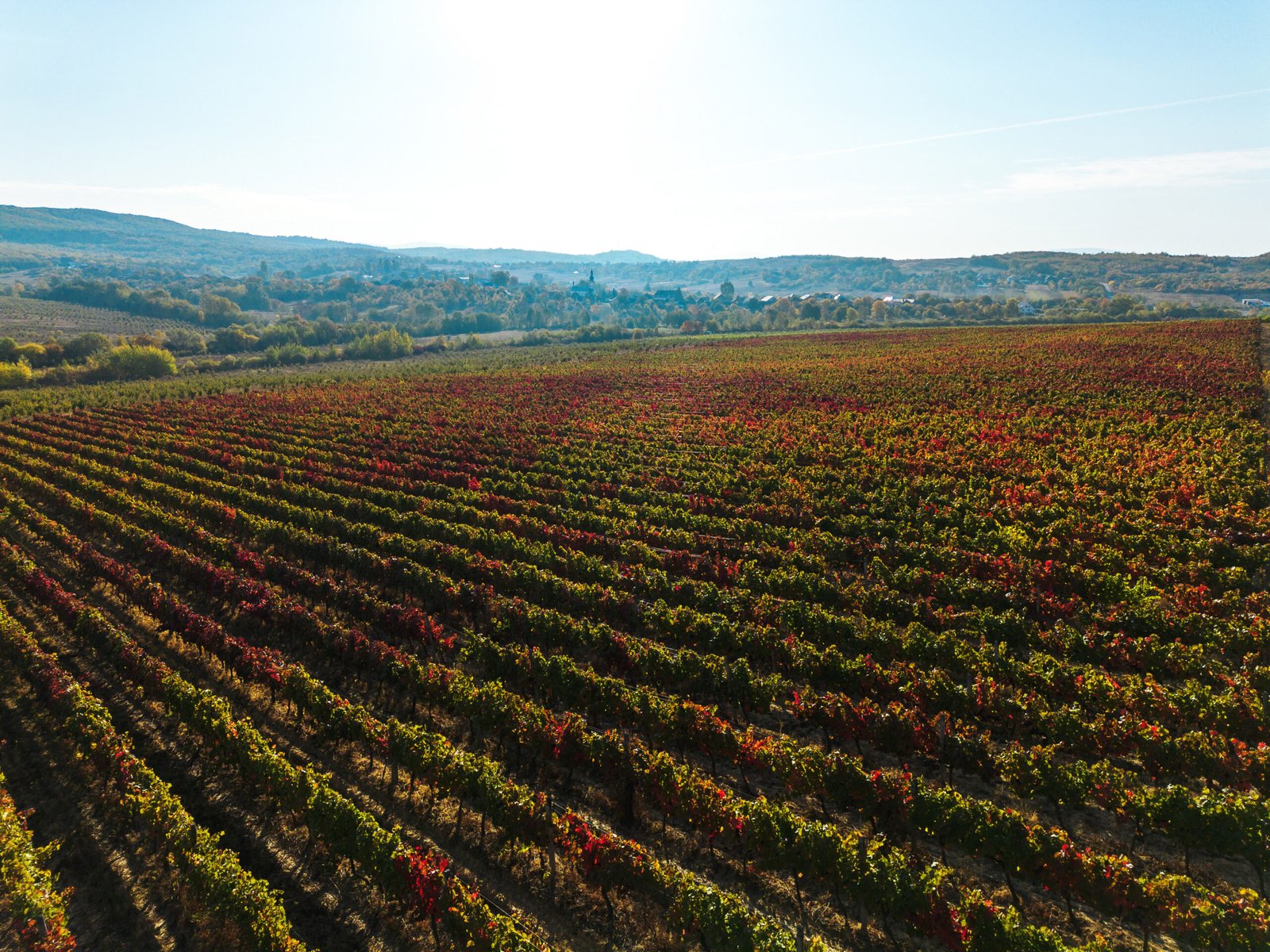
In many of the world’s best-known wine regions, growers are uprooting some of their vineyards. The reasons include declining wine consumption and domestic demand, export problems and climate change. Ukrainian winemakers face the same pressures as the global wine industry, but they also have to contend with the devastating effects of russia’s full-scale invasion, now in its fifth year. Their challenges are far greater than those confronting wine producers, say, in Bordeaux or Languedoc-Roussillon.
Nevertheless, Ukrainians are not sitting around complaining. Faced with extreme instability, they are experimenting with grape varieties, seeking new markets and rethinking their entire production models. What enables them not only to stay afloat but also to grow their businesses? To explore how the crisis is changing Ukrainian winemaking and what the rest of the world can learn from it, Victoria Makarova, editor of the Drinks+ analytics section, spoke with winemakers from different regions of Ukraine.
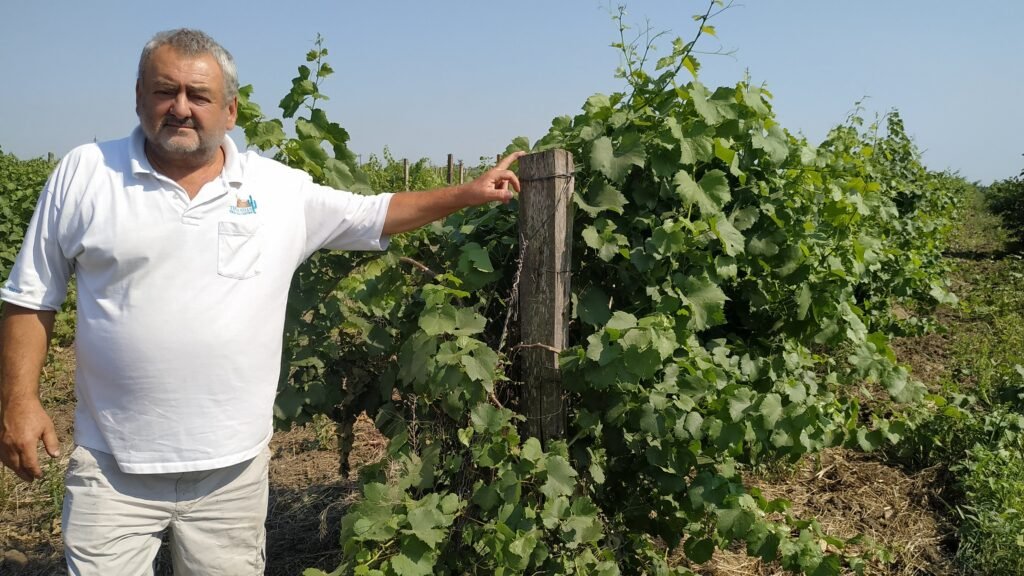
Valeriy Petrov has been growing grapes for around 40 years. His estate has 80 hectares of vineyards in the villages of Istromok and the Tarutino community in southern Odesa region. Unfortunately, some of his unique organic vines recently had to be uprooted: the war has caused tourist numbers to collapse and demand for craft wine to fall.
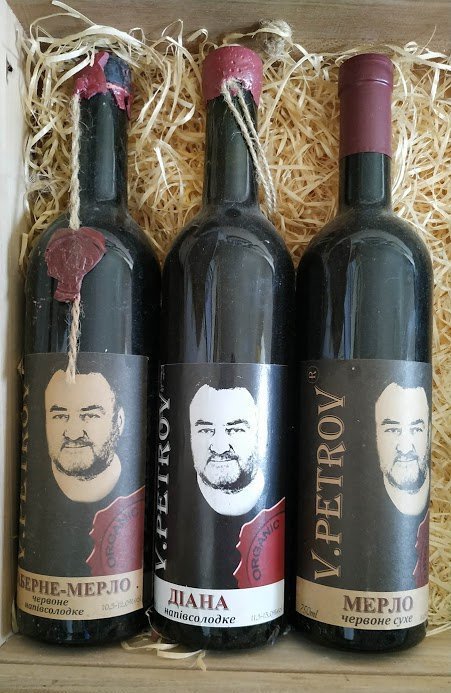
The winery has only recently completed its transition to organic production after six years of certification: three years of soil monitoring, followed by three years of monitoring the plants. Giving up chemical inputs has almost halved yields.
“With conventional viticulture, you can get 10 tonnes of grapes per hectare thanks to fertilisers and chemicals, whereas with organic production, you get a maximum of five,” the winemaker explains. Now, all that hard work is at risk.
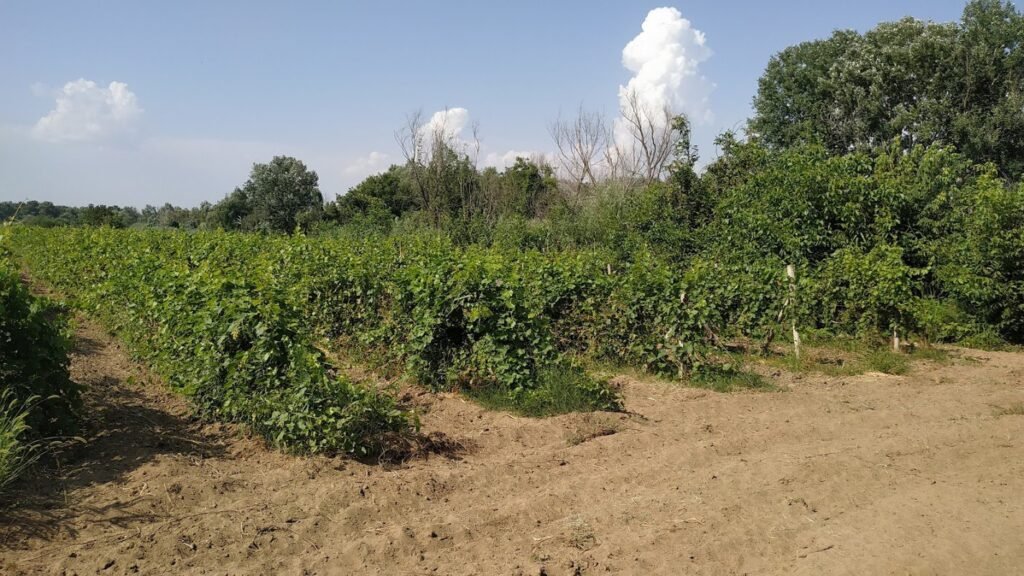
Before the war, Petrov saw wine tourism as the future of his business. His estate welcomed hundreds of Ukrainian and foreign visitors as part of the Wine and Taste Road of Ukrainian Bessarabia route. Now he has been forced to scale back production.
“The war started, we lost workers, and many were called up to serve. There are more checks at roadblocks now, and tourists no longer come here,” the winemaker told a local TV channel.
The estate has reduced its vineyard area and now plans to plant vines for the future. This single decision serves three purposes: it reduces the work involved in tending the vines, harvesting and production today, allows Petrov to select the most promising grape varieties, and postpones much of the cost of production and marketing until later.
However, Petrov remains moderately optimistic about the future and plans to expand his vineyards again in the years ahead.
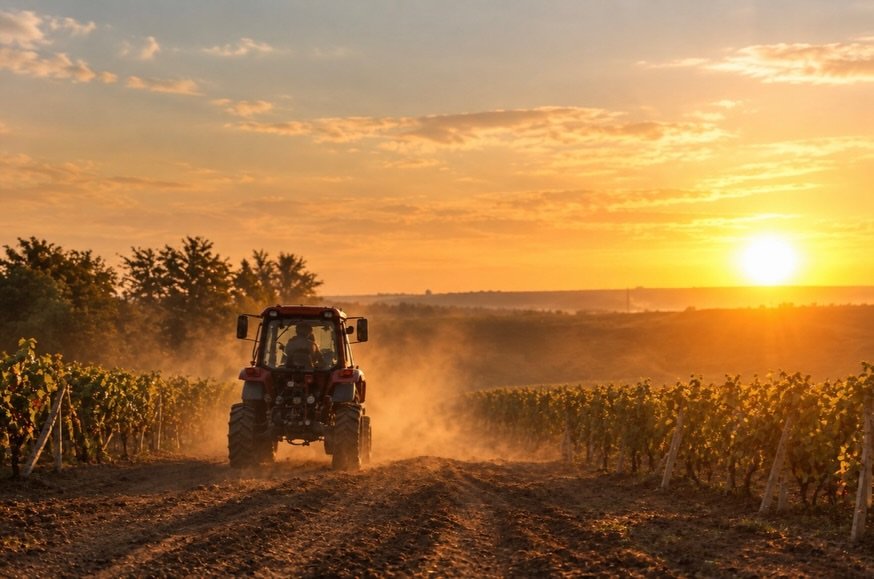
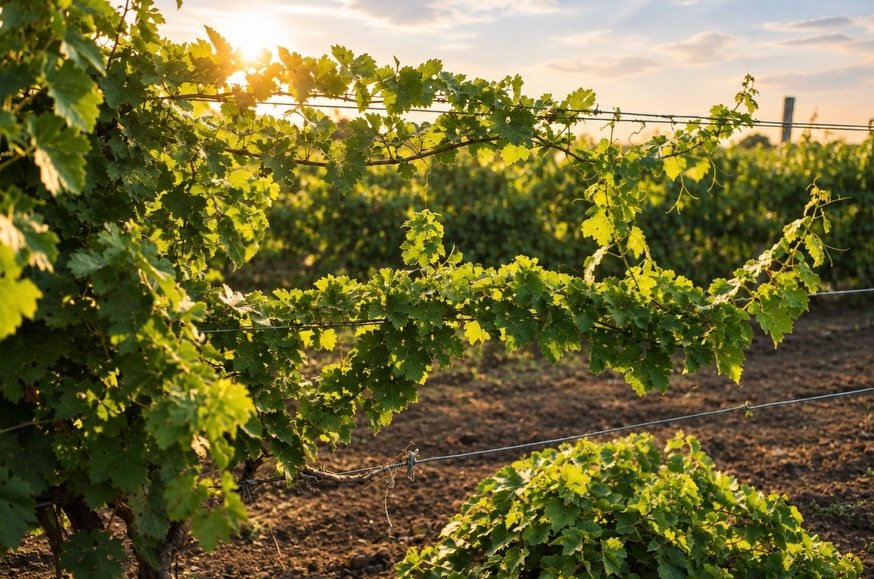
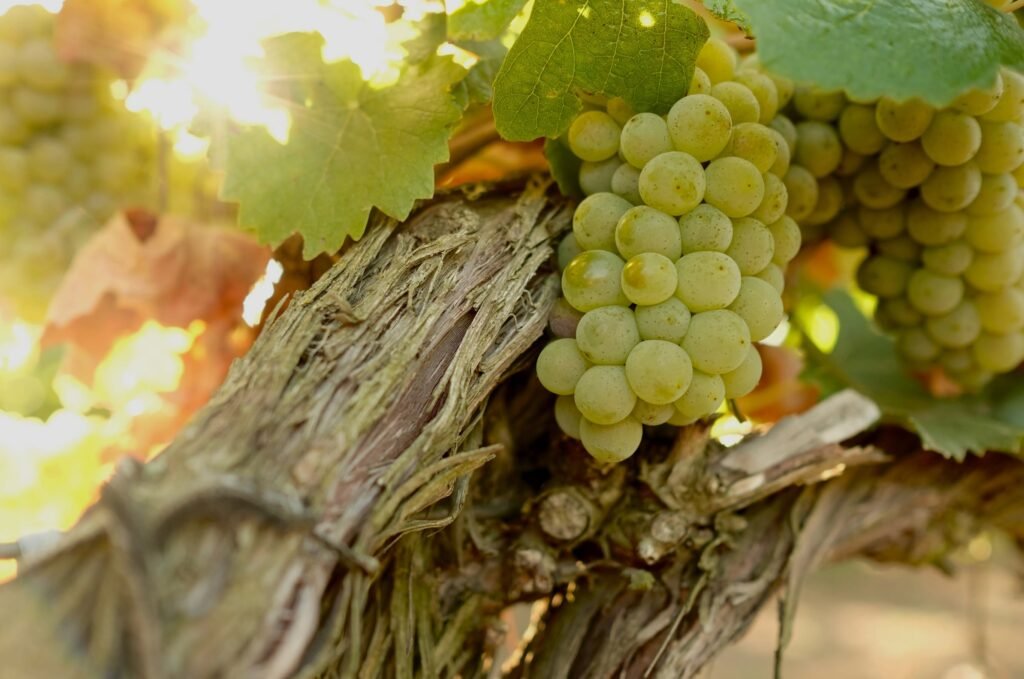
Pilot’s Wines have taken a different approach, focusing on preserving what they have built. Some of their vines are 25–30 years old, and their age determines how they must be managed. Older vines produce smaller but more concentrated crops, while requiring more careful attention. Precise yield control, canopy management and replanting are among the tasks that must be done by hand. And finding skilled workers has become increasingly difficult because of the war.
“Today, we focus on preserving our existing vineyards,” says Olena Sizarova, Pilot’s Wines’ representative. The company has no plans to plant new vines for now: a vineyard does not produce a full crop until its fourth or fifth year. Until then, it has to be maintained and financed without a full harvest to bring in revenue.
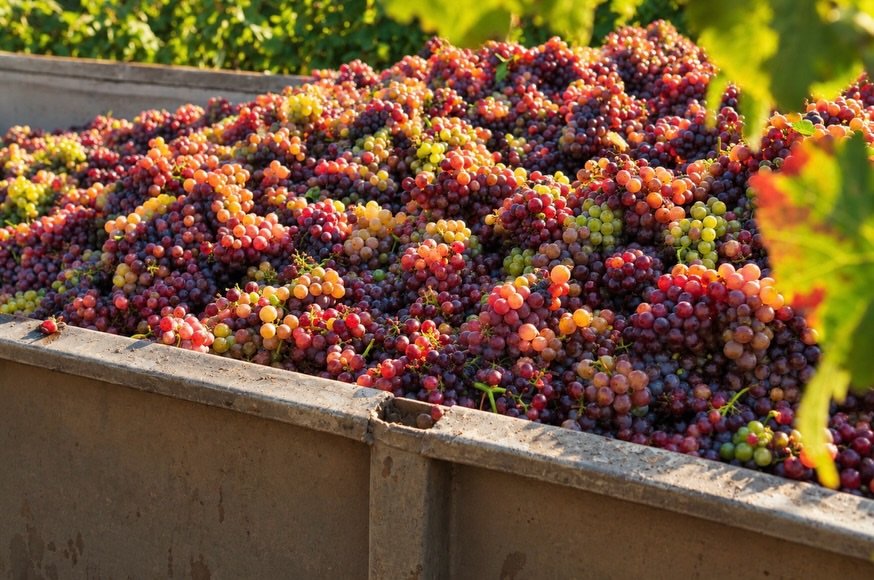
Instead, the winery is concentrating on getting the most out of its existing vines. Yields are regulated while the vines are still growing, using pruning and green harvesting to control the crop load. This helps the grapes ripen evenly while retaining the freshness and acidity that are essential to the Pilot’s Wines style.
Pilot’s Wines have no plans to uproot their own vineyards. But their work with farmers who supply additional grapes gives the company a broader view of what is happening in the region. Vineyard areas are shrinking, making way for crops that offer more predictable returns. According to Sizarova, the reason is simple: grape growers have to pay rent for their land every year, while a new vineyard takes several years to start paying for itself.
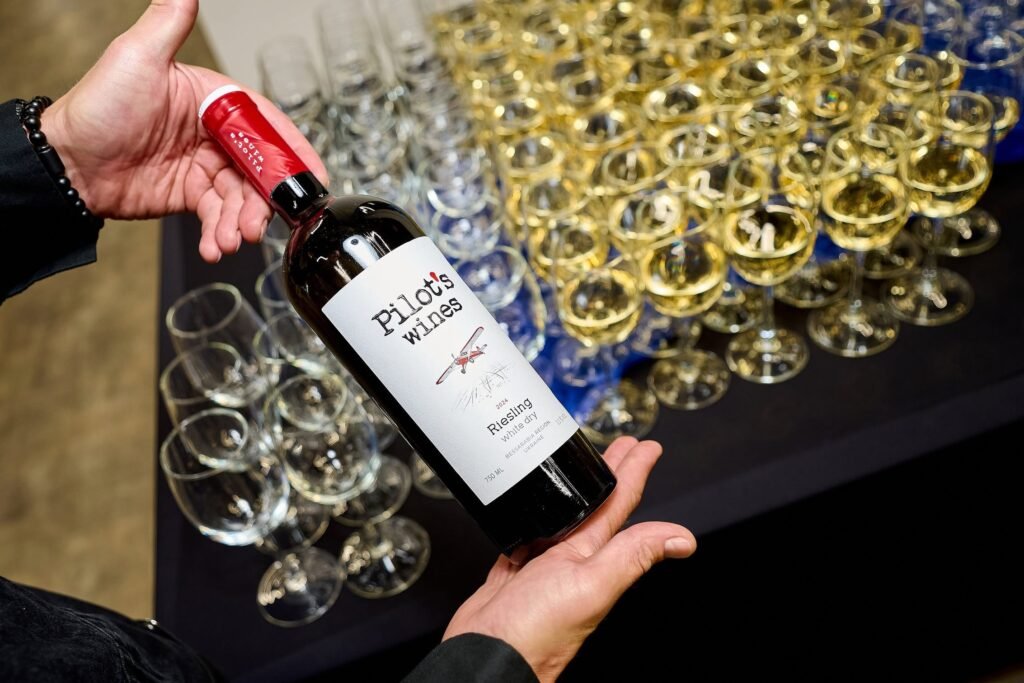
“Only farms with financial reserves or other crops that generate annual income can get through this period,” explains the Pilot’s Wines representative. Farmers are replacing vines with rapeseed, flax, cereals and perennial crops such as lavender and mint, which require lower and more predictable investment. For Bessarabia, a historic winegrowing region, this presents a serious challenge. That is why Pilot’s Wines see their role as extending beyond simply making wine. “We believe our task is not only to make wine, but also to promote the region,” Sizarova says.
Despite the difficulties, Pilot’s Wines continue to develop their sales. Retail remains their main focus: their wines are available through national supermarket chains, wine shops and online retailers. Their own Wine Point stores in Kyiv also play an important role, introducing customers to the brand through advice and tastings.
The HoReCa sector remains equally important. Pilot’s Wines feature on restaurant wine lists, including those at “100 Years Ago Ahead” and “Poltava”, two establishments run by a well-known Ukrainian chef Yevhen Klopotenko. The brand also reaches festival audiences: its wines were presented at Lviv’s Cheese and Wine Festival in late September. For safety reasons, Pilot’s Fest, dedicated to the brand and Bessarabia’s wine culture, has been postponed until spring. Meanwhile, the range has grown to include the brand’s first sparkling wine, Pilot’s Sparkling.
International expansion is of course on the agenda. In 2026, Pilot’s Wines made their debut at ProWein in Düsseldorf. The quality of their wines has already received international recognition, with medals from the Decanter World Wine Awards and Wine & Spirits Ukraine Awards among the brand’s accolades. For the company, international markets offer not only a chance to increase sales abroad, but also an opportunity to draw attention to Bessarabia, where vineyards are under mounting economic and demographic pressure.
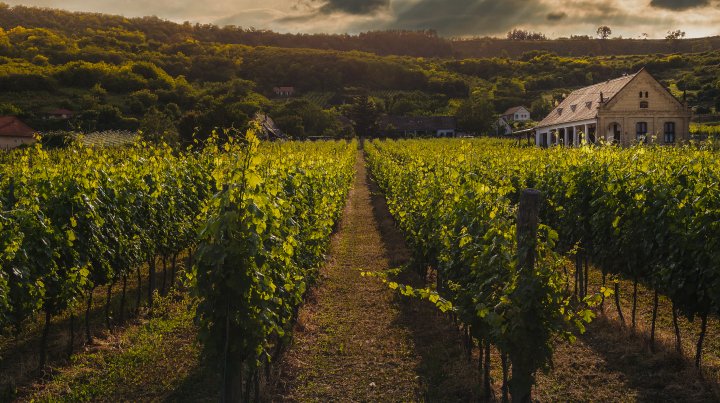
For VINTREST, a winery in Odesa region known in particular for its Grande Vallee brand, the current season has brought another step forward in developing its own vineyards. The company recently planted 20 hectares of Saperavi, a grape variety it had wanted to add to its portfolio for quite some time. VINTREST owner Roman Gochiashvili has Georgian roots, which makes the Georgian variety Saperavi particularly meaningful to the company. This year, the long-held plan finally became a reality.
VINTREST’s vineyards currently include the white varieties Chardonnay, Pinot Blanc, Sauvignon Blanc, Riesling and Traminer, as well as the red varieties Pinot Noir, Pinot Meunier, Cabernet Sauvignon and Merlot. With the new 20 hectares of Saperavi, the company’s total vineyard area has reached 140 hectares.
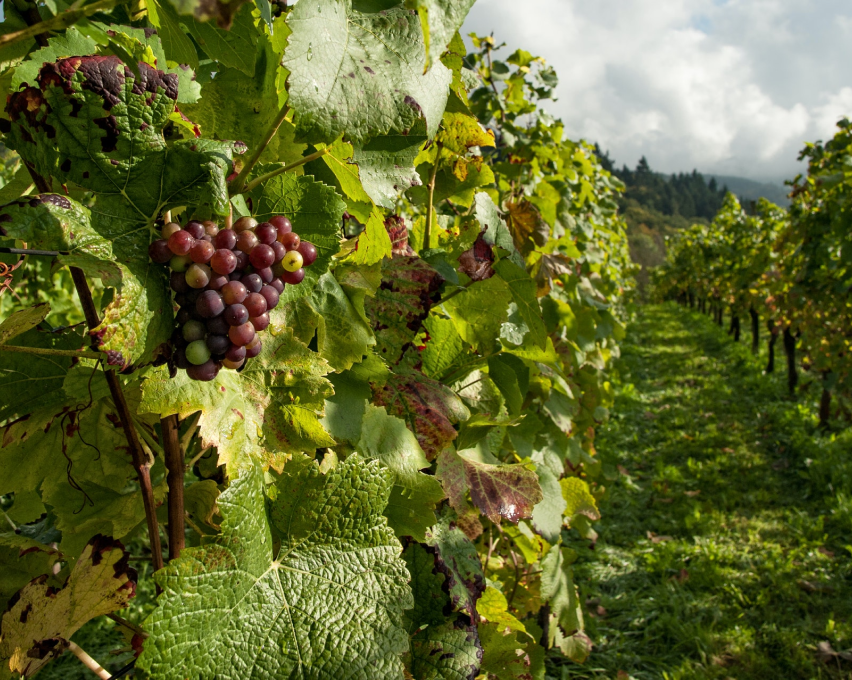
In recent years, VINTREST has invested heavily in its own vineyards. One of its key priorities is therefore to harvest and process all the grapes it grows. Two years ago, however, the company was unable to do so: some of the crop had to be left on the vines because there were not enough workers to pick it in time.
The company has not had to uproot vineyards for economic reasons. It has removed only small plots that were badly affected by disease. Its current strategy is therefore focused on expanding, rather than reducing, its own grape supply.
Exports are the next major priority. The company believes Ukrainian wine has potential in international markets and is actively working to develop this business. For now, however, its export reach remains limited. Over the past two years, Grande Vallee wines have been sold in the United Kingdom, with exports accounting for around 4% of total sales. Work in progress.
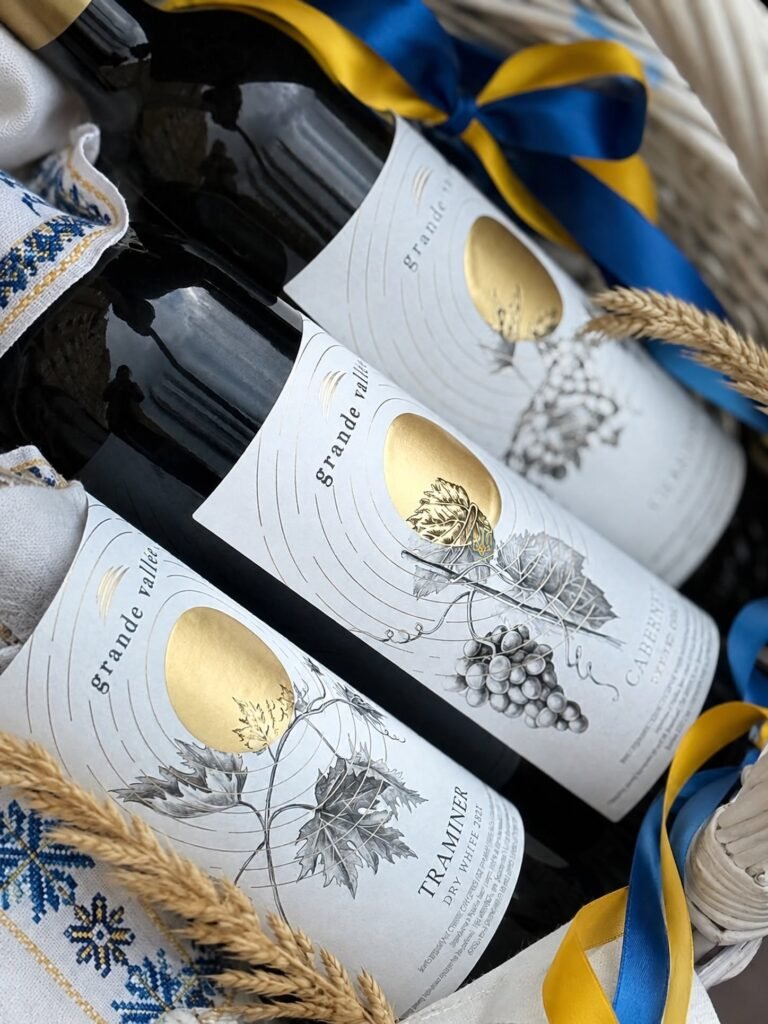
Domestic wine tourism is harder to develop. VINTREST would like to welcome visitors, but the location of its vineyards and production facilities makes this unsafe for now. “When Shahed drones and missiles are flying over the production site and there is a threat of ballistic strikes, it is simply impossible to organise tastings and tours,” explains Ksenija Filtseva, the Grande Vallee brand manager.
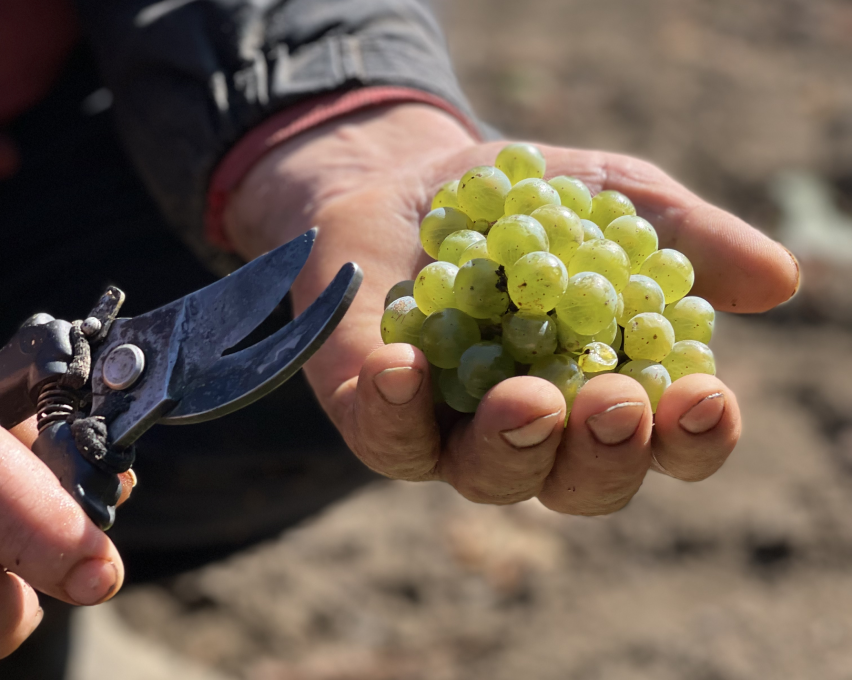
Instead, VINTREST has been actively developing its HoReCa business over the past three years and now has a strong presence in many regions of Ukraine. Retail remains another important sales channel, although new problems have emerged recently. Multiple russian drone and missile attacks have cost the company its warehouses, directly affecting its work with retail chains. This part of the business has effectively been on hold for the past month, but VINTREST hopes to resume cooperation with major retailers such as METRO, Silpo and other large chains.
Despite its losses and security constraints, the company continues to invest in its vineyards, broaden its range of grape varieties and look for sales opportunities, from Ukraine’s restaurant and hospitality sector to international markets.
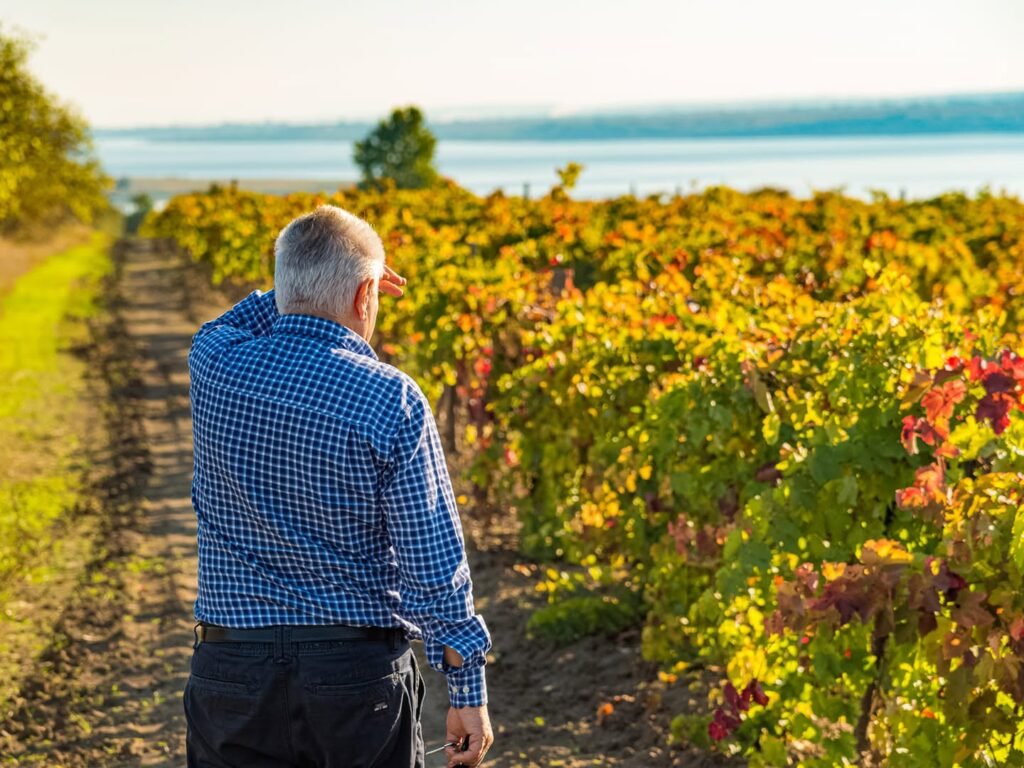
For Vynhol Oksamytne, best known for their Villa Tinta brand, managing their own vineyards is becoming increasingly difficult. The winery in southern Bessarabia has around 500 hectares of vines, but in some plots up to 50% of the vines are now missing. Some vineyards have to be grubbed up, while new plantings are being put on hold.
“We’ve been planning to plant new vines for the third year running, but we lack the money, time and manpower,” co-owner Kostiantyn Tintulov told Drinks+. Funding is only part of the problem. A shortage of workers makes it increasingly difficult to maintain the vineyards properly, directly affecting yields.

According to Tintulov, some grapes are left on the vines because workers overlook them. With yields as low as 2–2.5 tonnes per hectare, even these losses matter. Labour is becoming one of the local industry’s main constraints: most workers are over 50, and the men are predominantly over 60.
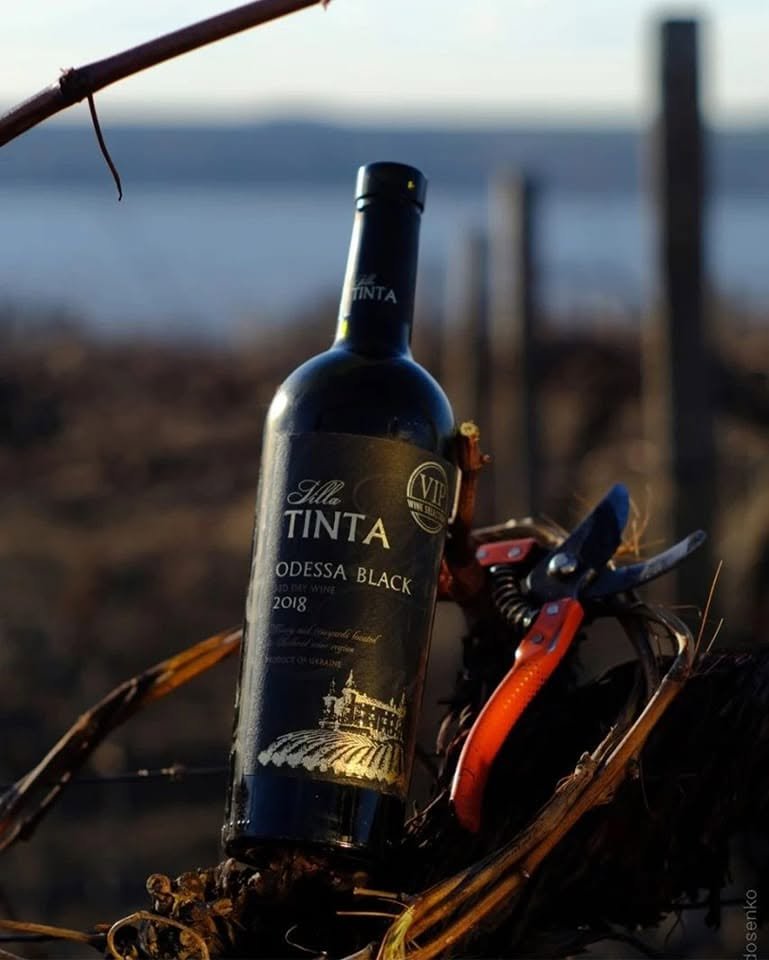
The problem is so serious that the company is considering uprooting up to 40% of its vineyards in total. The underlying issue is low productivity, both from the vines and the workforce. This is not a one-off decision, but a gradual reassessment of which vineyards are still economically viable. For a winery whose wines have won awards at the most reputable Ukrainian and international competitions for years, this means balancing two competing priorities: maintaining wine quality while cutting costs where vineyards are no longer productive.
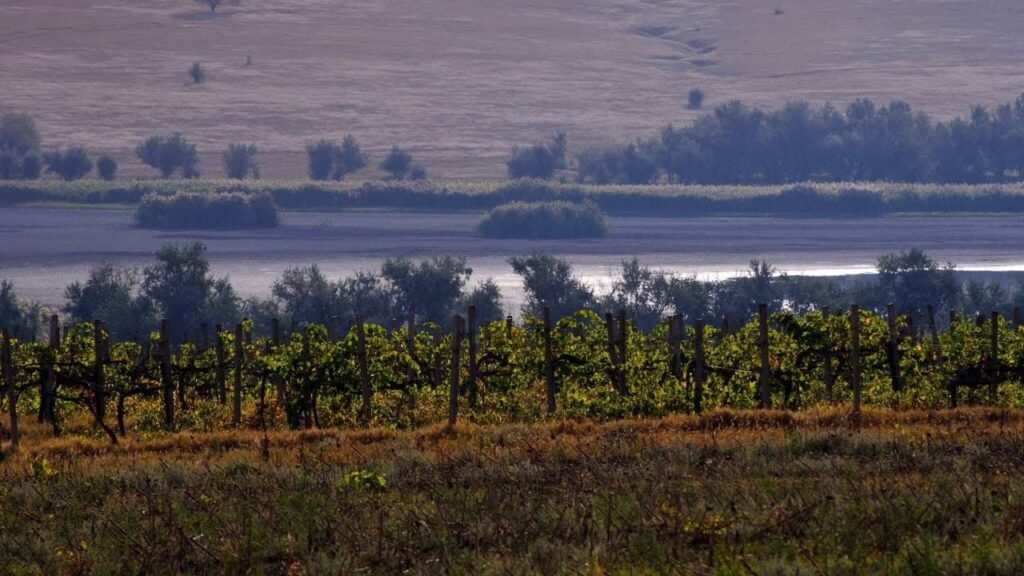
Sales are becoming an equally pressing concern. Tintulov believes exports should now be the main focus. Ukraine’s domestic market is shrinking because of the war, making it essential for producers who want to maintain sales and continue investing in production to find customers abroad. For Villa Tinta, the future depends not only on the condition of its 500 hectares of vineyards, but also on their capacity to find new international buyers and expand their presence in international markets.
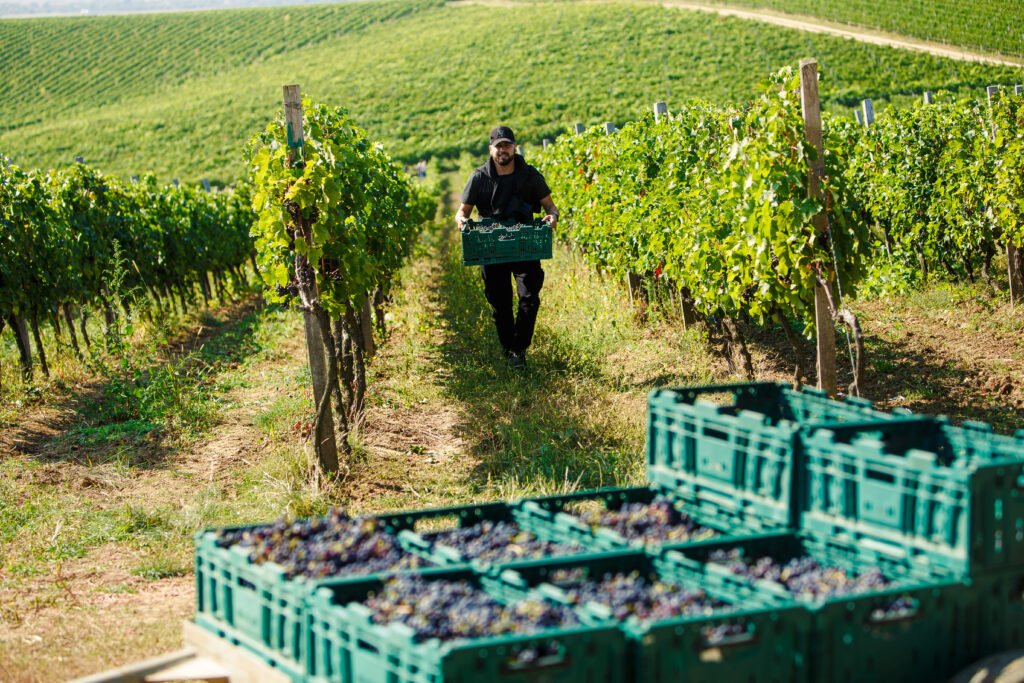
Chateau Chizay, based in Berehove in the Zakarpattia (Transcarpathia) region, has turned its vineyards into a compelling story and a recognised brand. In 2026, its Mala Hora vineyard near Berehove was included in La Cité du Vin in Bordeaux as one of the world’s 50 most beautiful vineyard landscapes. It represents Ukraine in the prestigious international exhibition Le tour du monde en 50 régions viticoles. The recognition celebrates not only the beauty of Zakarpattia’s terroir, but also the expertise of Ukrainian viticulture on the world stage.
Chateau Chizay has also won the 2025–2026 Wine Travel Awards in the category Brand – the Visiting Card of the Country, ahead of renowned wine brands from the United States, Italy, Greece, New Zealand and Georgia. The judges highlighted the company’s distinctive combination of winemaking, wine tourism, cultural diplomacy and sustained promotion of Transcarpathia and Ukraine through wine, hospitality and local identity. Together, the two achievements show how Chateau Chizay represents Ukraine internationally not only through its wines, but also through its landscapes, stories and visitor experiences, helping build a new image of Ukrainian wine tourism.
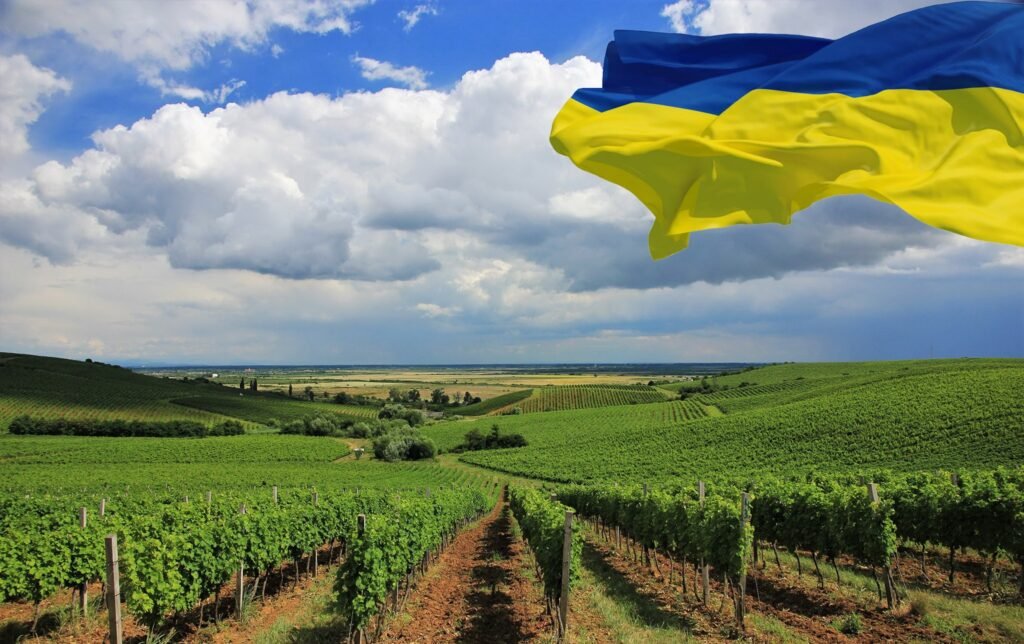
Yet this has not been an easy year for the winery. After spring frosts, the vines were hit by summer hail, which destroyed around 15% of the crop. Even so, the winemakers say the quality of this vintage is excellent. Ivan Pohoriliak, head of the vineyard team at the Midianytsia site, says he has never seen such a great vintage in all his years on the job. Harvest at Chateau Chizay began in late August and will continue until November. The white varieties, including those used for Carpathian Sekt, were picked first. The red grapes are still waiting to ripen. Chateau Chizay’s vineyards cover 272 hectares at three sites, each with its own microclimate and ideal harvest window.
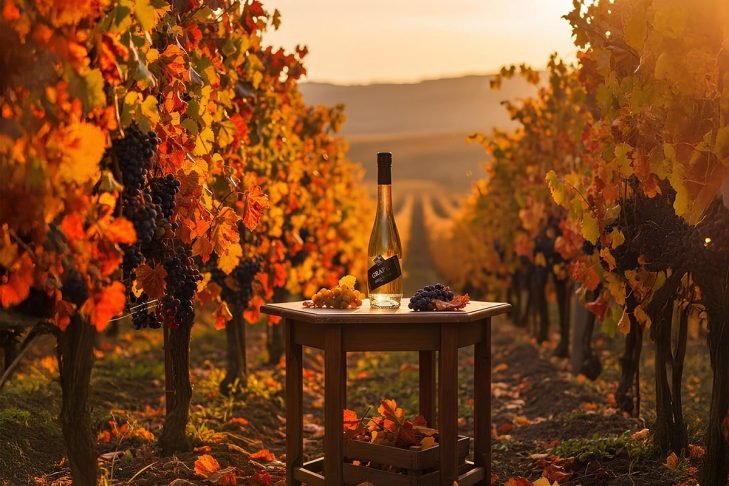
The company’ s vineyards were planted in 2006. At 20 years old, the vines are at an excellent age, says Hennadii Vachylia, Chateau Chizay’s director of viticulture. They grow Pinot Noir, Merlot, Cabernet Sauvignon, Cabernet Franc and Pinot Blanc, among other varieties. But the company’s real flagships are local grapes that are rare or even unique in Ukraine, including Cserszegi Fűszeres, Blaufränkisch and Furmint.
Despite being far from areas under regular attack, Chateau Chizay also faces a shortage of workers. “This year, we risked leaving some of the crop on the vines because we didn’t have enough people,” Vachylia explains. “But we’re pooling all our resources. The team is working overtime, without days off, and we’ve brought office staff in to help with the harvest. We hope all our grapes from this vintage will one day become outstanding wine.”


Uprooting vineyards is not on Chateau Chizay’s agenda. On the contrary, the company hopes to expand. During the Soviet anti-alcohol campaign, around 90% of the region’s vineyards were uprooted, including varietal plantings. That lost vineyard area has still not been fully restored. Chateau Chizay sees reviving viticulture in Zakarpattia and Ukraine more broadly as part of its mission.
The company has invested in producing grape-based spirits and is helping revive the reputation and tradition of Transcarpathian brandy. It is also developing its sparkling wine business, planning to open its own Chateau Chizay sparkling wine house in the near future. Construction is nearing completion.
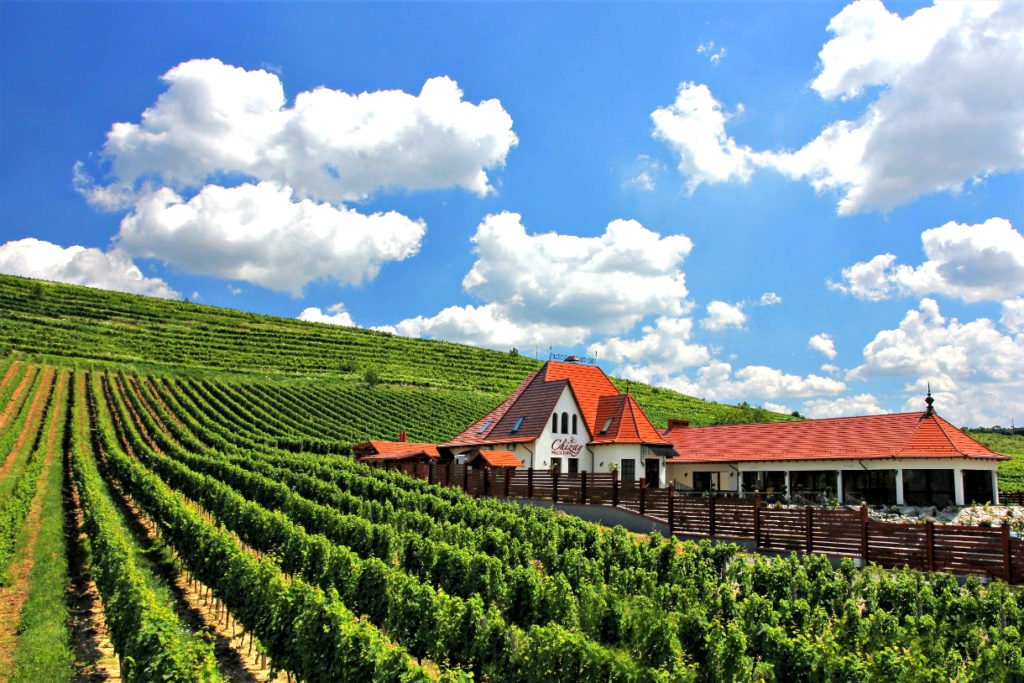
The winery works with major national retail chains, wine shops and the HoReCa sector, while also actively exporting. Domestic tourism is another priority, and guest reviews on social media suggest the team is making progress.

For Biologist, a winery near Kyiv, this season has been another test of resilience. Some of its vineyards in Kyiv region were damaged by severe frosts and strong winds, with the exposed plots in Bezradychy worst affected. Most plots there lost around 70–80% of their crop. In Lisnyky, yields fell by approximately 30–50%.
Biologist does not consider the situation catastrophic, however. Many of its vineyards are only just entering their productive years, so there is still room for recovery. According to co-founder and winemaker Ihor Petrenko, frosts of this severity occur roughly once every 15 years. The task now is to make the vines better able to withstand such conditions. “We’re essentially in a period of learning and starting over,” he says.
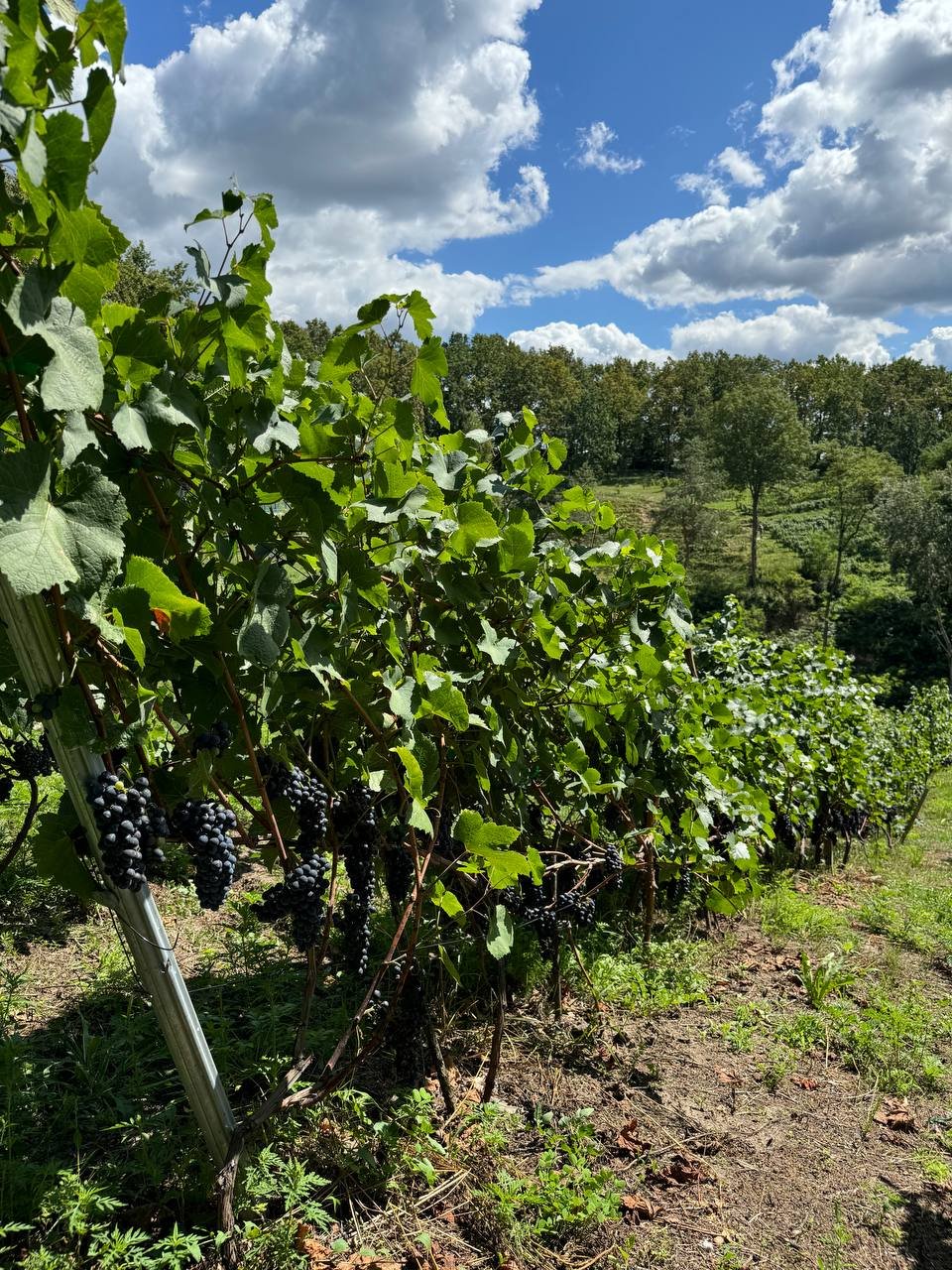
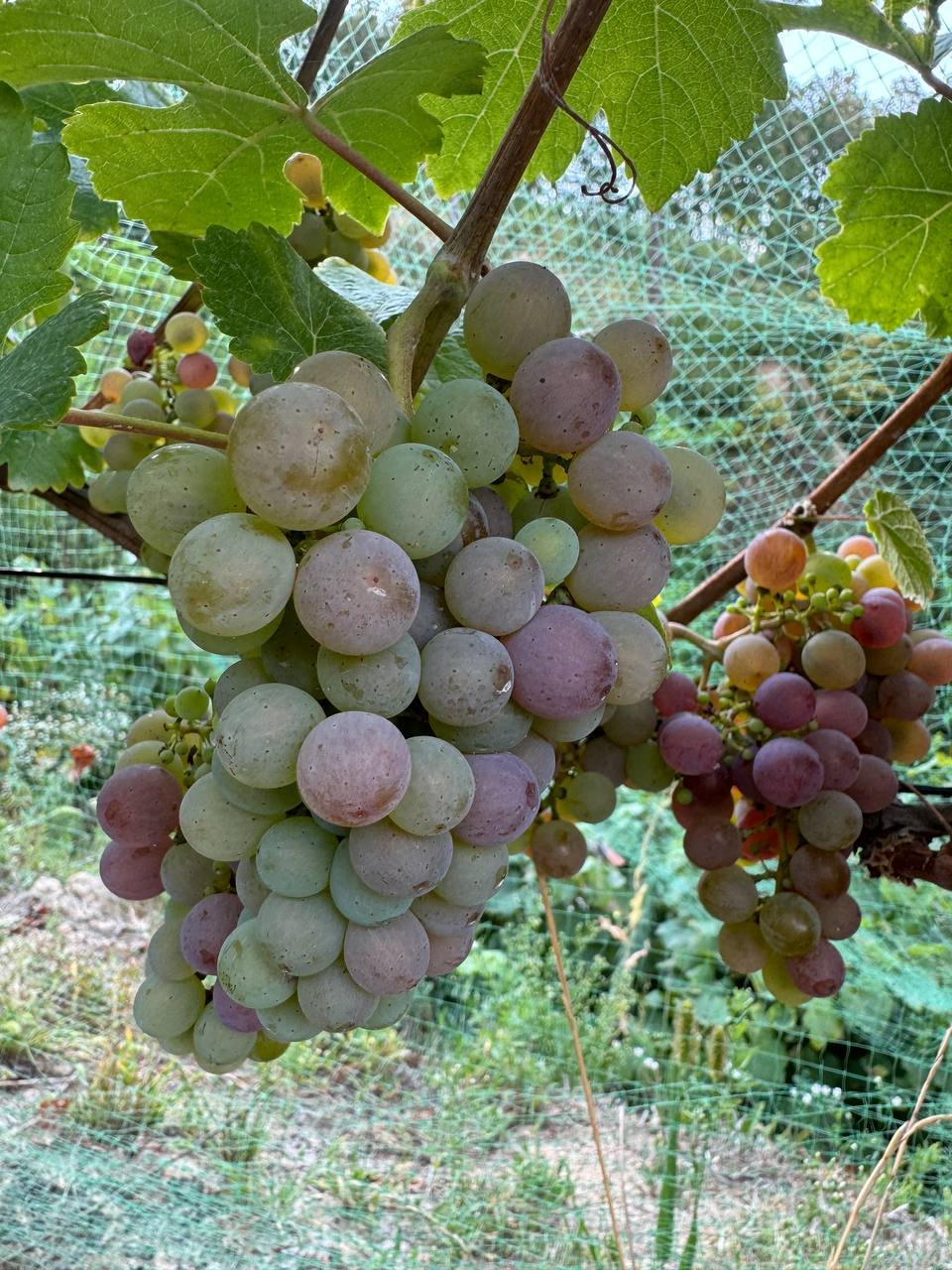
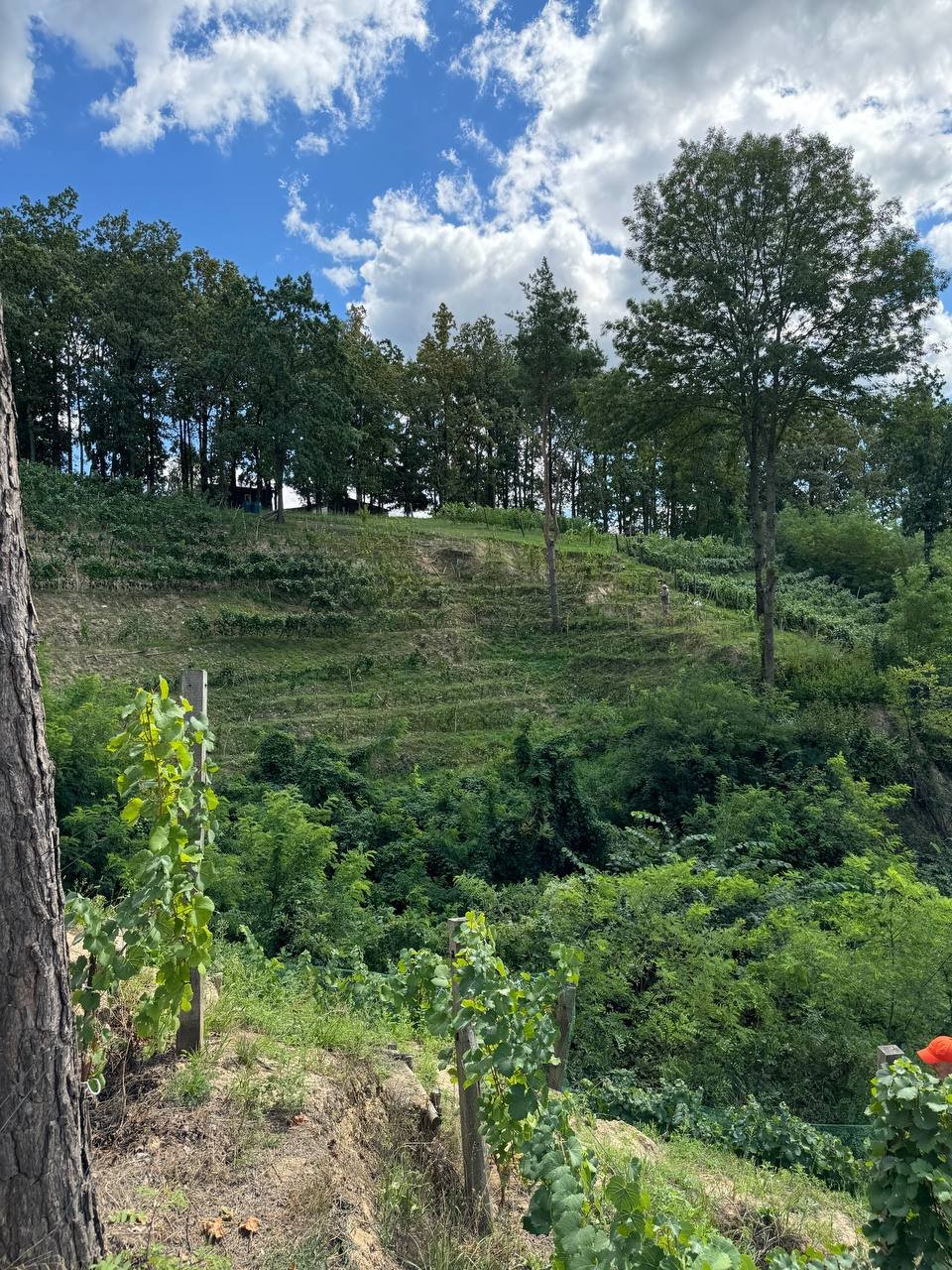
The harvest situation in Odesa region is much calmer, but the winery faces other challenges there: testing new sites and looking for new white grape varieties. Here, too, the process is more about reassessment than following a settled plan.
Next spring, Biologist plans to replant vines at its sites near Kyiv. The new plantings will put greater emphasis on Ukrainian varieties, including Dublanskyi, alongside European grapes. Riesling, Sukholymansky and other white varieties are among those under consideration. For Kyiv region, this is not just about broadening the range, but about finding grapes that can perform reliably in local conditions.

Frost is only one source of uncertainty for Ukrainian viticulture. The economics of the industry are a much bigger challenge. It is difficult to predict how vineyard areas will change, especially during the war and amid ongoing business risks. “If you want to make God laugh, tell him your plans,” Petrenko jokes. Even so, he sees long-term potential for developing vineyards and expanding plantings in Kyiv region. Vines there are planted quite densely, at around 10,000 plants per hectare. In his view, vineyard areas in Odesa region are likely to shrink over the next decade, while other parts of Ukraine may gain more opportunities to develop.
The reason is economic, explains the winemaker: grape growing alone brings low returns, while grain and other crops can be more profitable and less risky. For landowners, uprooting a vineyard comes down to what will make better use of their land.
For Biologist, it is important not to depend on a single sales channel. The winery works with specialist retailers, HoReCa, domestic tourism and export markets. But the picture varies by channel. The HoReCa sector has been contracting in recent years, which is a significant blow to a winery that has worked with restaurants in different parts of Ukraine. Domestic tourism, by contrast, is gradually growing in the region, and Biologist is investing in that market.
Exports remain the toughest channel. Ukrainian wine must compete in a market where overall consumption is falling and competition is intensifying. Petrenko says producers in established wine regions such as Bordeaux are being forced to review their prices to stay competitive. Biologist has so far chosen a different approach: keeping prices stable despite inflation. The reasoning is simple: consumers are not earning more and are under increasing pressure financially. The winery is therefore willing to accept a lower margin rather than lose customers and sales channels. For Biologist, the challenge is to balance production costs and bottle prices while remaining affordable for people who continue to choose Ukrainian wine during the war.

***
It’s become a bit of a trend to say that there are no conclusions to draw. But in this case, there are. Ukrainians are tired of hearing the word “resilience” – and tired of having to demonstrate it. Yet Ukrainian winemakers continue to uphold their quality standards, winning more international awards each year and expanding the presence of Ukrainian wines in global markets.
Resilience combined with flexibility, the ability to plan for the future amid chaos, and the determination to move towards the light at the end of what seems an endless tunnel: these qualities are deeply ingrained in Ukrainians and have become not only part of our identity, but also a competitive advantage.
Photo: texty.org.ua, instagram.com/pilotswines, facebook.com/pilotswines, vintrest.com.ua, grandevallee.com.ua, facebook.com/ukrainianwine, facebook.com/VillaTintaWinery, Chateau Chizay, Biologist
⇒ Join our social networks ⇒ Optimistic D+ editors will take this as a compliment.
⇒ Every like is taken as a toast!
18.09.2026